
Home 2024
Archives
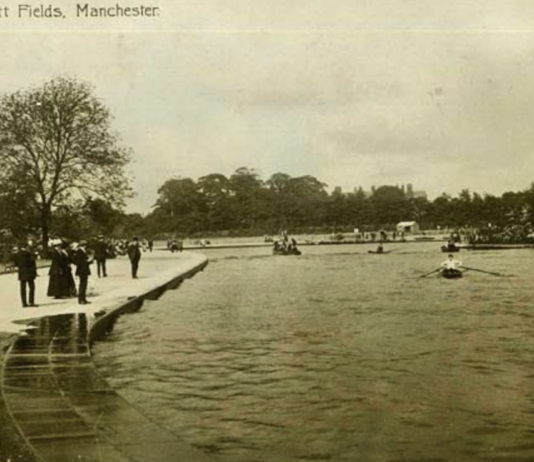
Platt Fields Park has been a beloved destination for Manchester residents for decades. Covering an area of 170 acres, it is more than just a recreational space. This location holds significant historical value for the city, transitioning from a grand estate to a public park and standing as a...
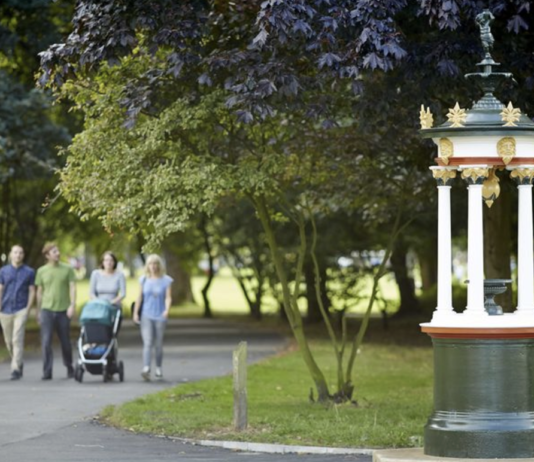
Manchester is not just about industrial heritage. The city is also rich in green spaces, which have played a crucial role in its ecological revival over the decades. In the 21st century, Manchester boasts numerous parks with a rich history. This article explores the ecological legacy of Alexandra Park,...
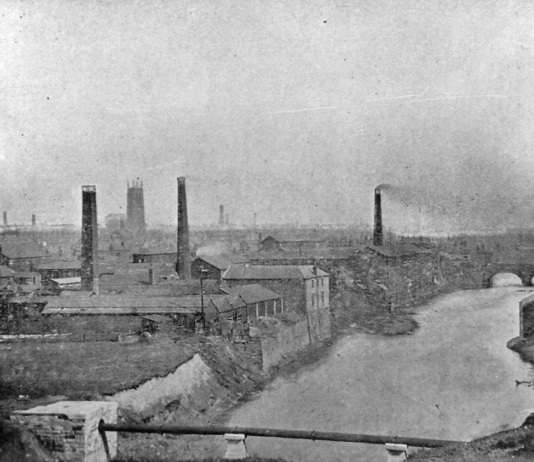
The River Medlock, which flows through the bustling city of Manchester, boasts a rich and vibrant history deeply intertwined with the city’s development. Its course has been shaped by centuries of municipal growth, heavily influenced by industrialisation and urbanisation. Despite these challenges, in the 21st century, the Medlock still...
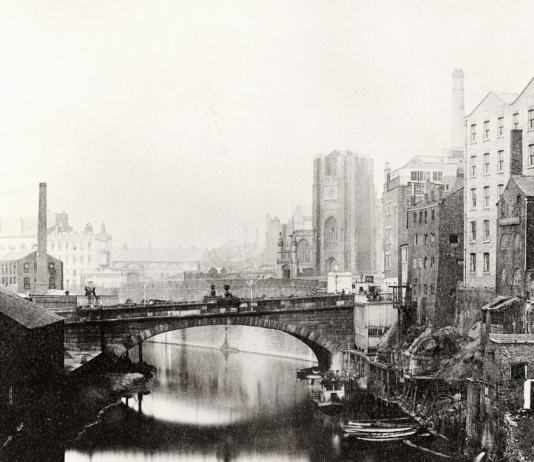
The River Irwell, flowing through Manchester, has been and remains a vital lifeline for the city. From its origins as a natural waterway supporting early settlements to its transformation into an industrial artery, the Irwell has shaped Manchester’s history, economy, and environment. In the 21st century, it stands as...
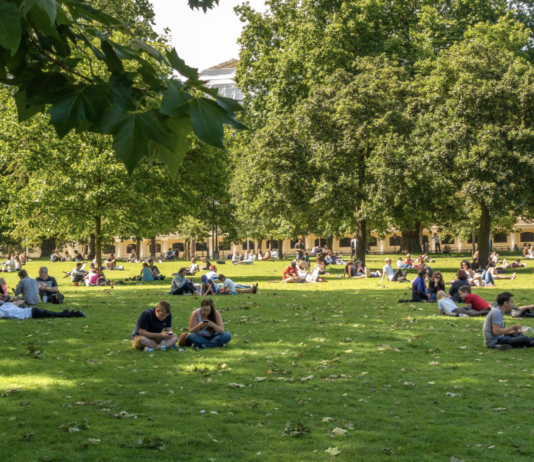
Manchester, known for its rich industrial history, played a pivotal role in the industrialization of the UK during the 18th, 19th, and 20th centuries. As a hub of cotton production, the city was nicknamed "Cottonopolis," with its factories exporting cotton globally. However, this prosperity came at a cost, bringing...

Flowers are undoubtedly one of nature’s most beautiful creations. They accompany us throughout our lives—celebrating births, adorning weddings, and offering solace in moments of loss. In Manchester, floristry has become an integral part of life, blending artistry and business. Below, we delve into the city's most iconic flower shops...
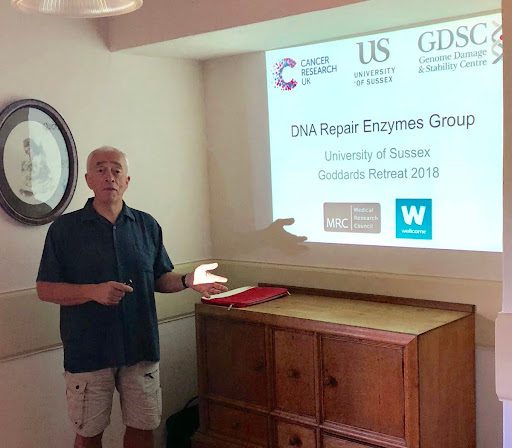
Laurence Pearl is a renowned biochemist and structural biologist from Manchester. He has worked at the Institute of Cancer Research in London as well as the School of Life Sciences and the Genome Damage and Stability Centre at the University of Sussex, as reported by manchestername.com.
Pearl’s research interests encompassed...
Graphene is considered the thinnest material in the world. Often referred to as the material of the future, graphene was discovered in 2004, but its potential applications and capabilities are still not fully understood. Nevertheless, thanks to the relentless efforts of scientists, graphene is already changing our lives for...
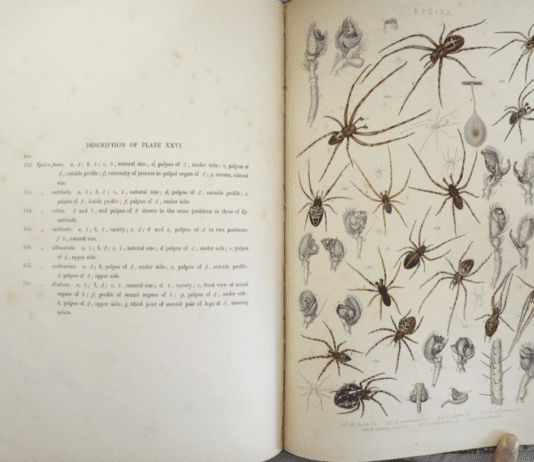
John Blackwall was a renowned British naturalist and arachnologist who revolutionized the understanding of spiders through his meticulous studies. His work revealed critical insights into spider behavior, physiology, and their ecological significance. Blackwall’s observations debunked myths about spiders and shifted societal perspectives, laying the groundwork for modern arachnology. Next...

Lawrence Harris Pearl was a renowned biochemist whose groundbreaking research transformed the understanding of protein structures and molecular biology. Born in Manchester, his work on DNA repair mechanisms and protein folding had a profound impact, particularly in cancer therapy and drug development. Pearl's contributions brought innovative ideas to 20th-century...