

Graphene is considered the thinnest material in the world. Often referred to as the material of the future, graphene was discovered in 2004, but its potential applications and capabilities are still not fully understood. Nevertheless, thanks to the relentless efforts of scientists, graphene is already changing our lives for the better. It is being added to concrete, paints, and textiles; it cools smartphone processors and serves as a foundation for manufacturing drones, among other uses.
Not everyone knows that the birthplace of this revolutionary material is the city of Manchester. It was here, at the University of Manchester, that two physicists unveiled graphene to the world in 2004. Later, the scientists were awarded the Nobel Prize for their groundbreaking discovery. Next on manchestername.com.
Manchester: The Birthplace of Graphene
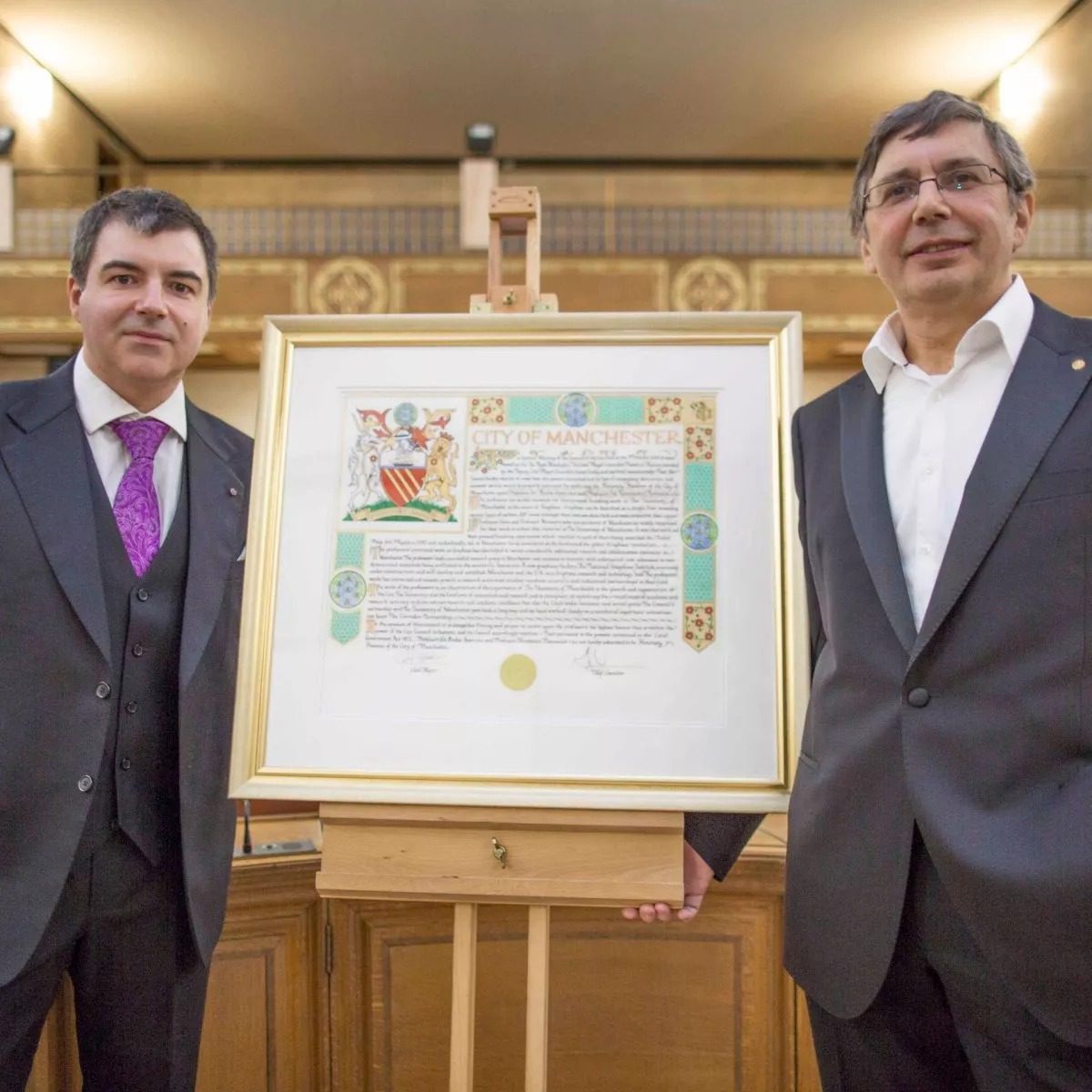
The discovery of graphene—a two-dimensional allotrope of carbon—was made by two scientists, Andre Geim and Konstantin Novoselov. Both researchers were born in the former Soviet Union, but their career paths led them to some of the best research institutions in Europe, including the University of Manchester.
Andre Geim was born in 1958 in Sochi, Russia, into a family of engineers of German descent. As Geim noted, most of his family members were ethnic Germans, and one of his great-grandmothers was Jewish.
After completing his schooling, Geim studied at the Moscow Institute of Physics and Technology. In 1990, he left the Soviet Union and moved to the United Kingdom, where he became a fellow of the Royal Society of London.
Over time, he worked at leading European universities, including those in Nottingham and Copenhagen, before joining the University of Manchester in 2001. In 2010, he headed Manchester’s Center for Mesoscience and Nanotechnology. Geim spent most of his career and life in the UK.
Konstantin Novoselov, who worked with Geim on graphene, was also born in the former USSR. In 1991, he began his studies at the Moscow Institute of Physics and Technology, majoring in nanoelectronics. After graduating with distinction, Novoselov worked for two years at the Institute for Microelectronics Technology in Chernogolovka, Russia.
In 1999, he moved to the Netherlands, where he met Andre Geim and began working under his supervision at Radboud University in Nijmegen.
In 2001, both scientists relocated to Manchester to join the University of Manchester. Three years later, Novoselov successfully defended his Ph.D. thesis.
As mentioned earlier, the two scientists gained international recognition for discovering graphene. Surprisingly, the story of this material began with adhesive tape. In 2004, the physicists used this tape to extract single layers of graphene—just one atom thick—from a block of graphite. This novel form of carbon became the innovative material known as graphene, creating a stir in the scientific community.
The discovery was unprecedented: graphene turned out to be flexible, extremely strong, and an excellent conductor of heat and electricity.
In 2010, Geim and Novoselov were awarded the Nobel Prize in Physics for their groundbreaking work.
Their discovery was made within the walls of the University of Manchester, earning the city its nickname as the “City of Graphene.” Today, Manchester University is a hub for both applied and fundamental graphene research. The university also hosts the National Graphene Institute.
The Unique Properties of Graphene
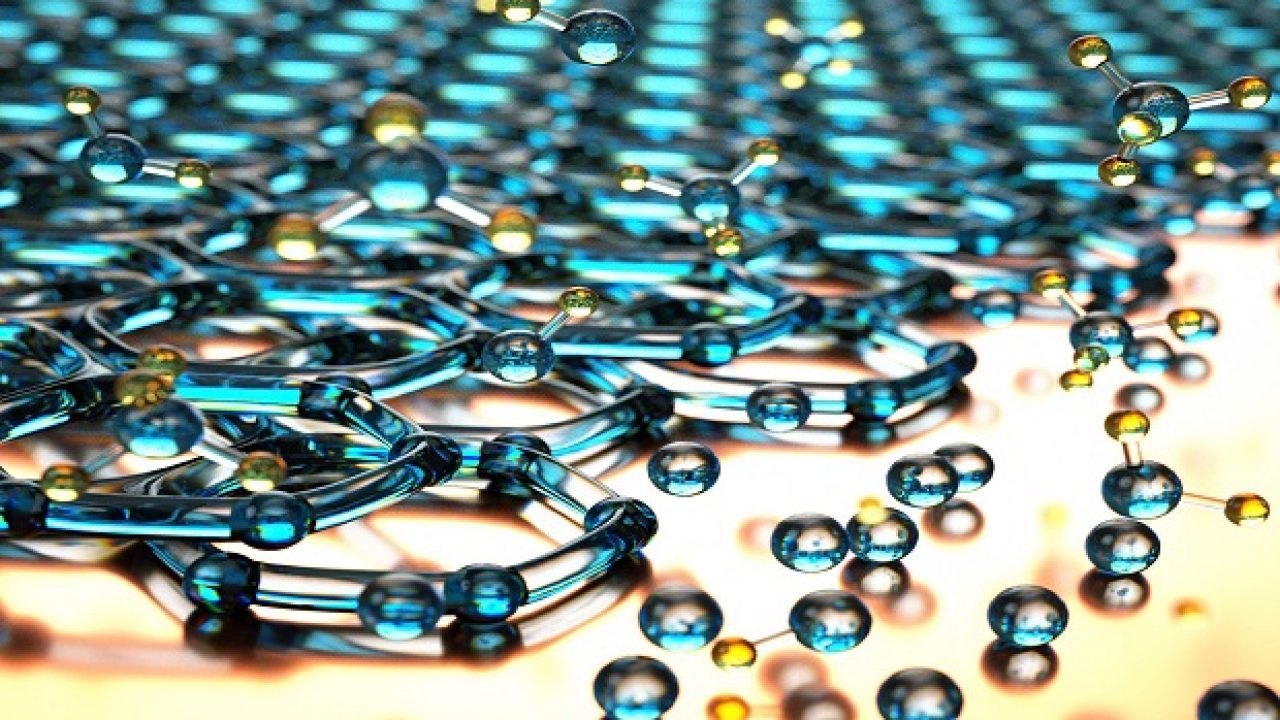
What makes graphene so special that the world fell in love with it immediately after its discovery? According to Konstantin Novoselov, graphene possesses properties that no other material or substance can match. It can be stretched, bent, and folded. Graphene is incredibly strong and boasts exceptional thermal and electrical conductivity. At the same time, it is highly flexible and entirely optically transparent.
Compared to many other materials, graphene is more environmentally friendly. Additionally, melting graphene can produce carbon fiber, titanium alloys, and monocrystalline materials.
The Material of the Future
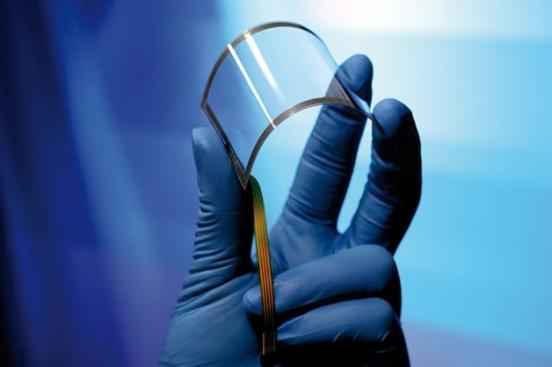
From the moment of its discovery, this nanosubstance promised to revolutionize electronics and chemical technologies. One by one, projects began to emerge, each claiming graphene could bring transformative changes to various fields. For instance, smartphones powered by graphene-cooled processors were introduced.
Smart Materials developed graphene-based panels for cladding a building in Dubai, while another company, GrapheneCA, created a graphene additive for concrete, used during the construction of an expo center in Mexico.
In July 2018, British scientists unveiled a drone made from graphene. Thanks to this groundbreaking material, the drone could safely dissipate lightning strikes across its fuselage.
Graphene’s revolutionary potential extends beyond architecture, automotive manufacturing, electronics, and industry—it is also being explored in medicine. Researchers hope that graphene will enable early cancer diagnosis.
The only significant obstacle to the mass adoption of graphene in the early 21st century was the difficulty of producing it. Scientists continually sought ways to make its manufacturing cheaper and more efficient.
Who knows? Perhaps future breakthroughs in graphene production will also originate within the walls of the University of Manchester.