

The UK is known for its weather. It is usually cloudy, wet and moderately cool. Manchester is no exception. It is one of the most dynamic and historic cities in the country and has long been associated with rainy days. Still, it is worth noting that Manchester’s climate is actually much more complex than just mist and dampness. Moreover, it has played a significant role in shaping the city’s history, industry and even culture. We can say that the climate has influenced absolutely everything.
What is the climate in Manchester and how does global climate change influence it? Learn more at manchestername.com.
Temperate maritime climate
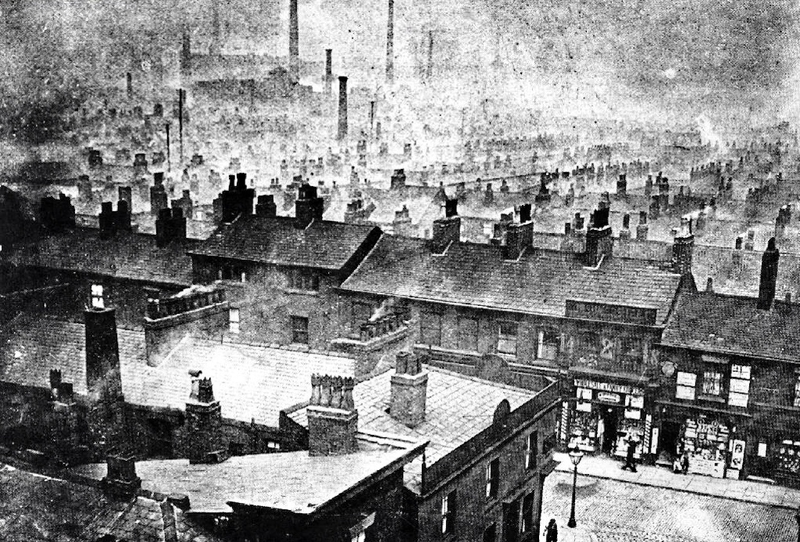
Manchester’s climate is the temperate maritime climate, which is typical for most of the UK. This means the city has mild summers, cool winters and relatively high levels of precipitation all year round.
Winter (from December to February) is mostly cold but rarely extreme. The average temperature ranges from 1°C to 7°C. Snowfall is rare but does occur occasionally. Summer (from June to August) is quite warm but not excessively hot. The average temperature ranges from 13°C to 20°C), although periodic heat waves can raise the temperature above 30°C. Spring and autumn bring temperature fluctuations and unpredictable weather to the city. These can be sunny days, continuous heavy rains and even frosty mornings.
Is it true that Manchester is the rainiest city in the UK?
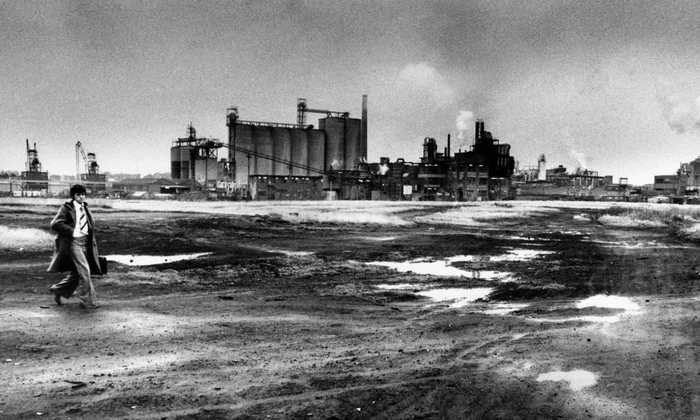
Many call Manchester one of the rainiest cities in the UK. However, it‘s an exaggeration. In fact, Manchester is inferior to such cities as Leeds, Bradford, Glasgow and Cardiff in terms of rainfall.
The city receives about 850-1000 mm of precipitation annually, which is actually less than in Glasgow or Cardiff. Moreover, the rain here is usually a drizzle rather than a heavy downpour. The wettest period lasts from October to January, while the driest months are April and May.
One reason for Manchester’s rainy reputation is its frequent cloudy and overcast days. Even when it isn’t raining, the sky is often grey, contributing to the perception of constant damp weather.
Why is Manchester wet and overcast?
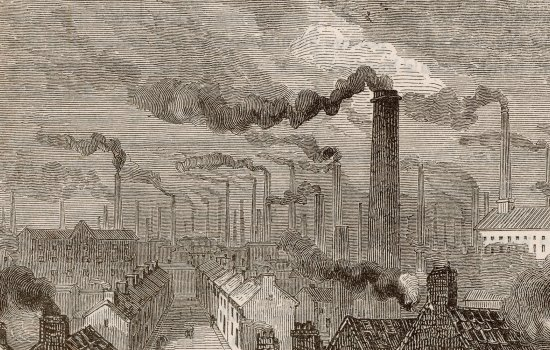
Manchester’s climate is largely determined by its geography. The city is situated in a bowl-shaped valley, surrounded by the Pennine Hills to the east and the Cheshire Plain to the west. These geographical features create a rain shadow effect. This means that moist air from the Atlantic is carried inland by the prevailing westerly winds. When the air reaches the Pennine Hills, it rises, cools and releases moisture as precipitation. By the time the air passes over Manchester, it loses most of its moisture, but the city also receives showers as the remaining clouds break up. Although the Pennines bring rain, they also provide some protection from extreme weather conditions. Manchester rarely experiences hurricanes, severe storms or extreme cold.
Manchester’s climate and industry
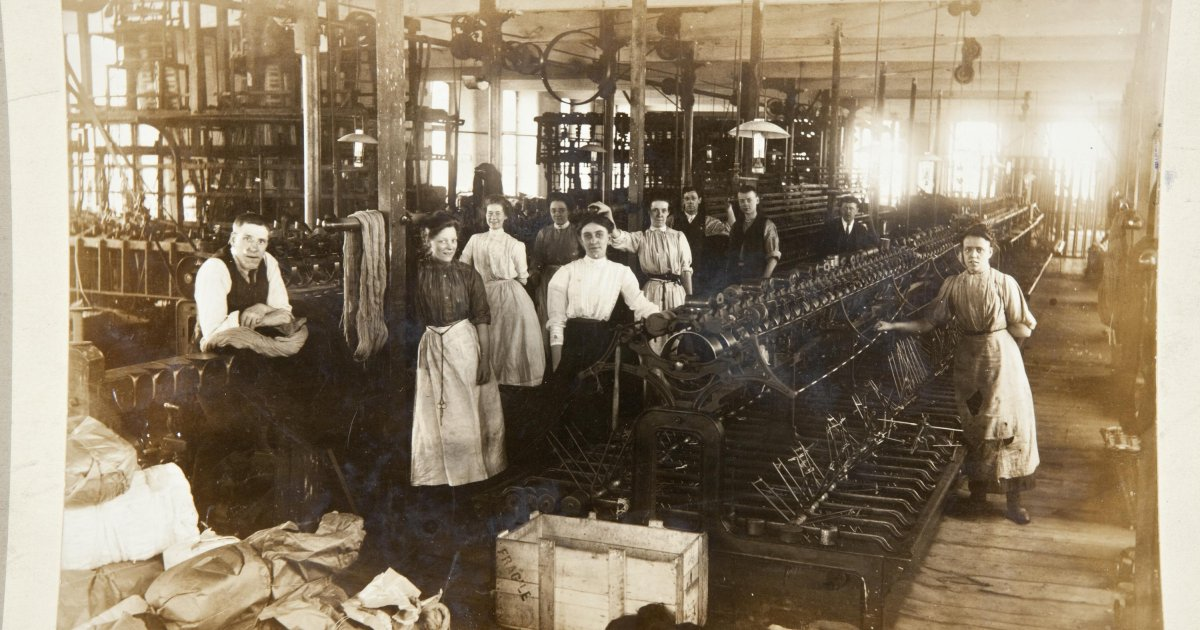
It should be noted that the climate played a major role in shaping Manchester as an industrial centre of the country. In particular, the city’s high humidity levels were ideal for cotton spinning, as it prevented the cotton fibres from becoming too dry and brittle. It made Manchester an ideal location for textile factories, earning the city the nickname Cottonopolis and the status of the first industrial city in the world in the 19th century.
In addition, the rapid urbanisation of 19th-century Manchester led to an increased risk of heavy rain floods. As the city expanded, many sections of the local rivers were culverted, narrowed or straightened to make space for buildings and roads, disrupting their natural flow. Pollution of the reservoirs led to siltation, reducing the rivers’ ability to cope with rainfall. In addition, dense development without a well-thought-out drainage system prevented rainwater from seeping into the soil. As a result, Manchester and neighbouring Salford often suffered from devastating floods, most notably in 1852, 1866 and 1872. They highlighted the need for more effective urban planning, protection of the rivers from pollution and the creation of modern drainage infrastructure.
Rain as a driving force of progress
As every Manchester fan knows, besides an umbrella, another indispensable attribute for survival in a rainy city is a raincoat. Thanks to the developed textile industry and frequent rainfalls, Manchester played a key role in the creation of waterproof fabrics.
In 1823, a Glasgow scientist, Charles Mackintosh, patented a new method of making a waterproof material by placing a layer of softened rubber between two pieces of fabric. Soon, he entered in cooperation with Manchester cotton millers, the Briley brothers. They established the production of rubberised fabric as well as the legendary Mackintosh raincoat at a factory on Cambridge Street. However, the first versions of the coat left a lot to be desired. They were heavy, had a bad smell and didn’t let air through. It caused the wearer to sweat heavily, which somewhat reduced their effectiveness. But everything changed in the 1840s, when the company introduced vulcanisation technology, significantly improving the quality of the material and making the mackintosh fabric popular.
Climate change in Manchester
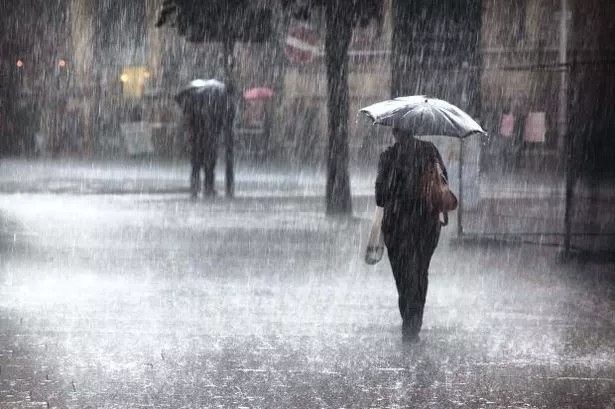
Industrial Manchester has influenced the environment and contributed to climate change. In particular, over the past decades, the city has seen an increase in temperature. It has had more hot summer days and the air temperature has increasingly exceeded 30°C.
In the 21st century, Manchester’s precipitation has increased many times due to climate change. Winds and storms have also become stronger, which often leads to flooding in some of the city’s areas.
The city remains one of the gloomiest and rainiest cities in the UK, which is also feeling the full brunt of climate change. However, it’s worth noting that the city authorities and charitable organisations are fighting this problem through the implementation of environmental initiatives. In particular, in the 21st century, Manchester is actively promoting sustainable development programmes, including renewable energy projects and green transport. There are various urban regeneration initiatives and tree-planting campaigns that improve biodiversity and absorb carbon emissions. In addition, the creation of new green zones and the constant modernisation of the drainage system helps to avoid flooding in Manchester. The city has also committed to becoming carbon neutral by 2038, investing heavily in clean energy, public transport and environmental infrastructure.
Manchester’s climate is the city’s defining feature. Moderate temperatures, stable rainfall and unique geography have played a crucial role in shaping its history, industry and culture.
While climate change poses new challenges, the city is adapting through sustainability initiatives and commitments to reducing its environmental impact.