

John Blackwall was a renowned British naturalist and arachnologist who revolutionized the understanding of spiders through his meticulous studies. His work revealed critical insights into spider behavior, physiology, and their ecological significance. Blackwall’s observations debunked myths about spiders and shifted societal perspectives, laying the groundwork for modern arachnology. Next on manchestername.com.
A Lifelong Love for Nature
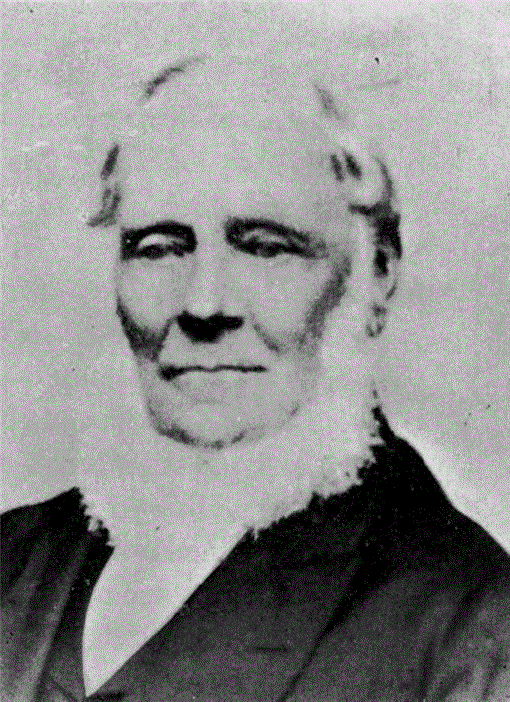
Born in Manchester in 1790, John Blackwall’s passion for nature began in childhood. Initially captivated by birds, his interest later turned to spiders, creatures often misunderstood and feared. Despite lacking formal academic training, Blackwall became part of the self-taught naturalist movement of the 19th century, documenting observations with precision. His home at Hendre House in Llanrwst, North Wales, became both a laboratory and workspace for his field research.
Spiders: An Overlooked Corner of Nature
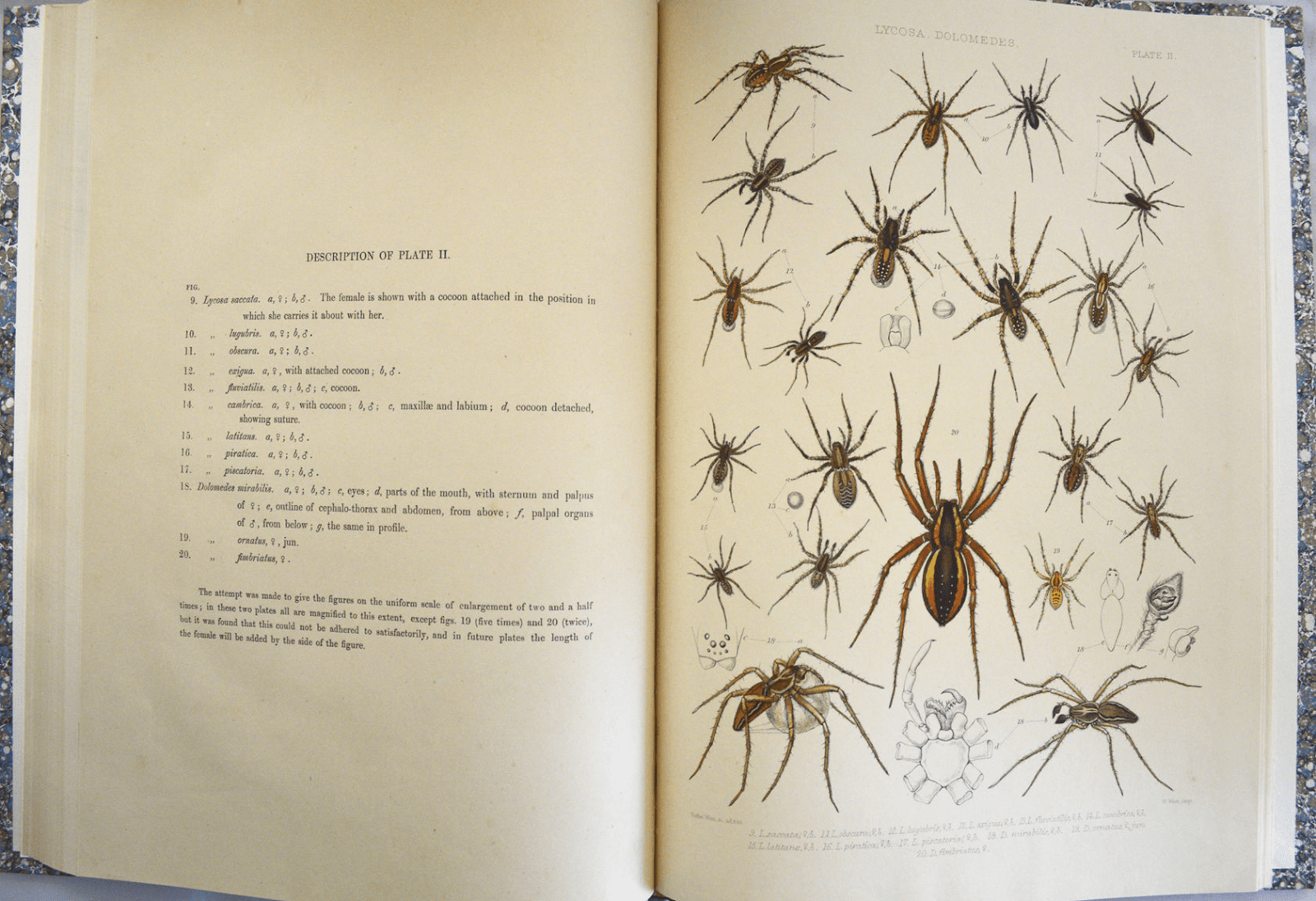
In the late 18th and early 19th centuries, small creatures like spiders were often ignored by researchers. However, Blackwall’s fascination with these tiny creatures, including species from genera like Neriene and Walckenaeria, revealed their critical ecological roles. He extensively studied their predatory behavior, reproduction, and survival strategies.
One of Blackwall’s most notable contributions was his research on web-building. He meticulously recorded differences in the shape, size, and purpose of spider webs, which helped classify spiders based on their web types. This work highlighted the diversity within spider families and their unique behaviors.
Disproving Myths About Spiders
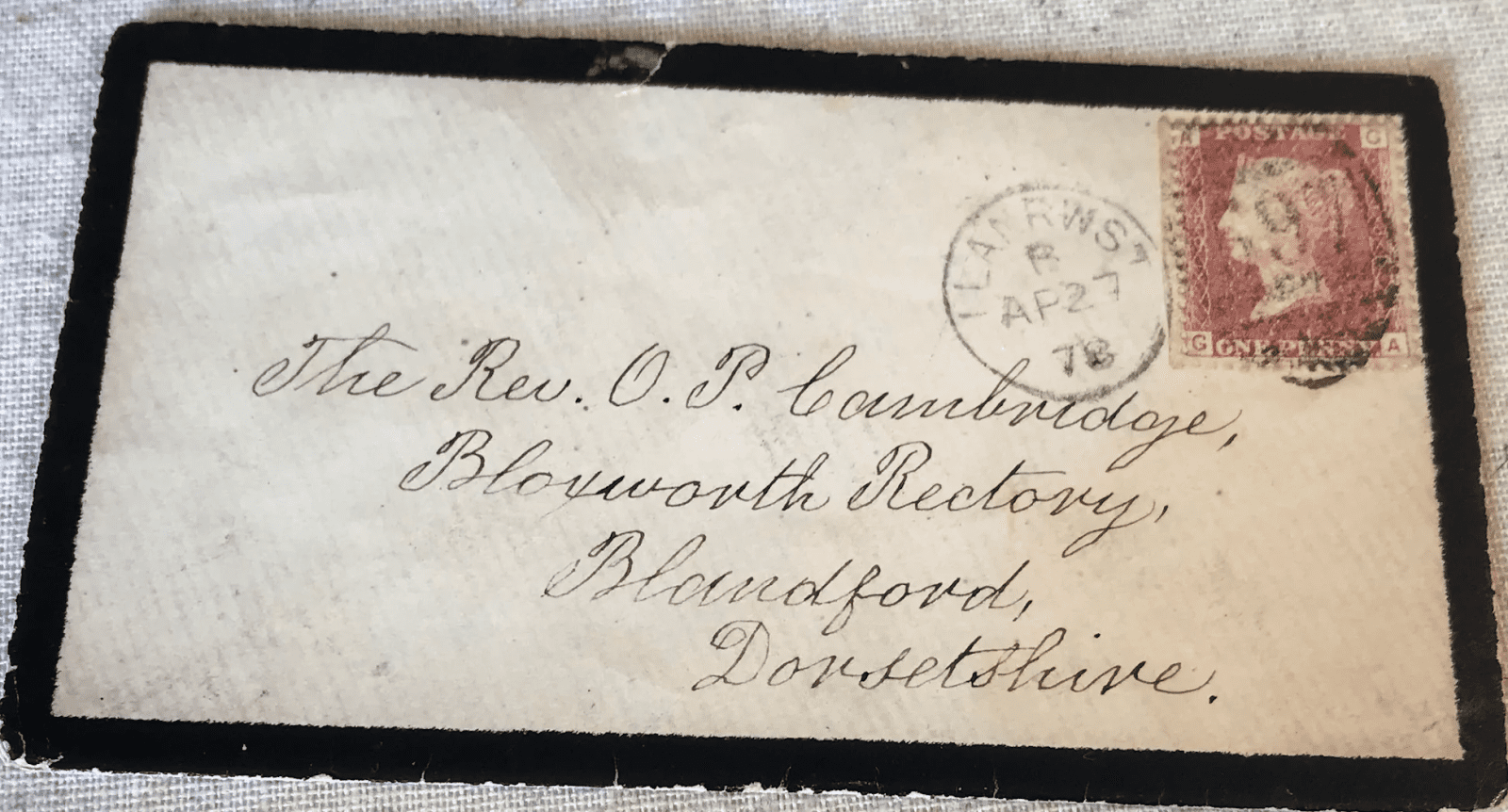
Blackwall’s research dispelled widespread myths about spiders, such as the belief that all spiders spin webs. He demonstrated that some species, like those in the Salticidae family, rely on agility and hunting skills rather than webs to catch prey. His findings emphasized the varied survival strategies among spider species, showcasing their adaptability and complexity.
Blackwall collaborated with other notable scientists, including Charles Darwin. Their correspondence often revolved around the diversity of spider species. Blackwall’s studies on reproductive behavior and spider adaptations provided valuable insights into evolution and natural selection, complementing Darwin’s theories.
At 37, Blackwall published his first scientific work on spider behavior. Between 1861 and 1864, he released a two-volume book titled A History of the Spiders of Great Britain and Ireland, describing over 300 British spider species. Illustrated by Octavius Pickard-Cambridge and Robert Templeton, the book was the first of its kind in the UK, making arachnology accessible to both scientists and the public. Blackwall’s work revealed spiders as essential ecological contributors, controlling insect populations and maintaining environmental balance.
John Blackwall’s research transformed public perception of spiders, portraying them as intricate and beneficial creatures rather than pests. His accessible publications bridged the gap between scientific communities and the general public, fostering greater appreciation for arachnology. Blackwall passed away in 1881, leaving an enduring legacy in the field of natural science.