

Lawrence Harris Pearl was a renowned biochemist whose groundbreaking research transformed the understanding of protein structures and molecular biology. Born in Manchester, his work on DNA repair mechanisms and protein folding had a profound impact, particularly in cancer therapy and drug development. Pearl’s contributions brought innovative ideas to 20th-century science, paving the way for new approaches to treating diseases. Next on manchestername.com.
Early Life and Education
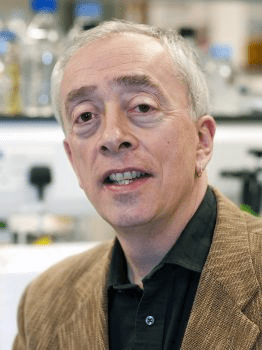
Lawrence Harris Pearl was born in 1956 in Manchester to a working-class Jewish family. From a young age, he demonstrated a keen interest in science. During his time at the Manchester Grammar School, Pearl was not only engrossed in academics but also actively participated in dramatic performances.
Pearl pursued higher education in biochemistry at University College London (UCL), followed by studies in crystallography at Birkbeck College. There, he focused on endothiapepsin, earning both a master’s degree and a doctorate. His early work in structural biology, utilizing methods like X-ray crystallography, set the foundation for his illustrious career.
Career Development
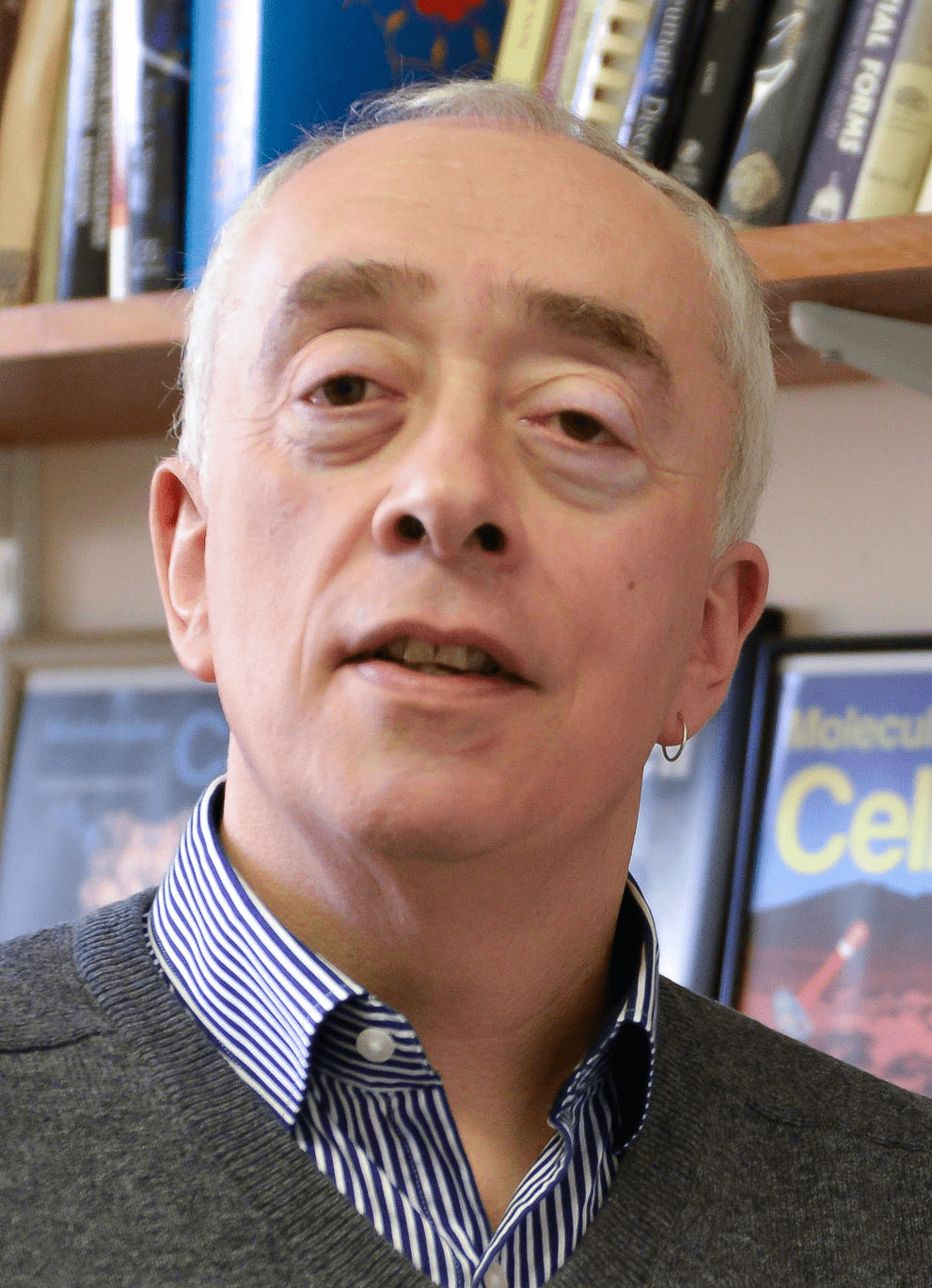
After completing his PhD, Pearl undertook postdoctoral research and later joined the Institute of Cancer Research in Sutton. He subsequently became a lecturer in biochemistry at UCL, where he rose to the position of professor of structural biology. In 1999, he returned to the Institute of Cancer Research to lead the Structural Biology Section in Chelsea.
In 2009, Pearl took on the role of Head of the School of Life Sciences at the University of Sussex, while also serving as a professor at the Genome Damage and Stability Centre. He later resumed work at the Institute of Cancer Research while continuing his academic pursuits at Sussex.
Research Contributions
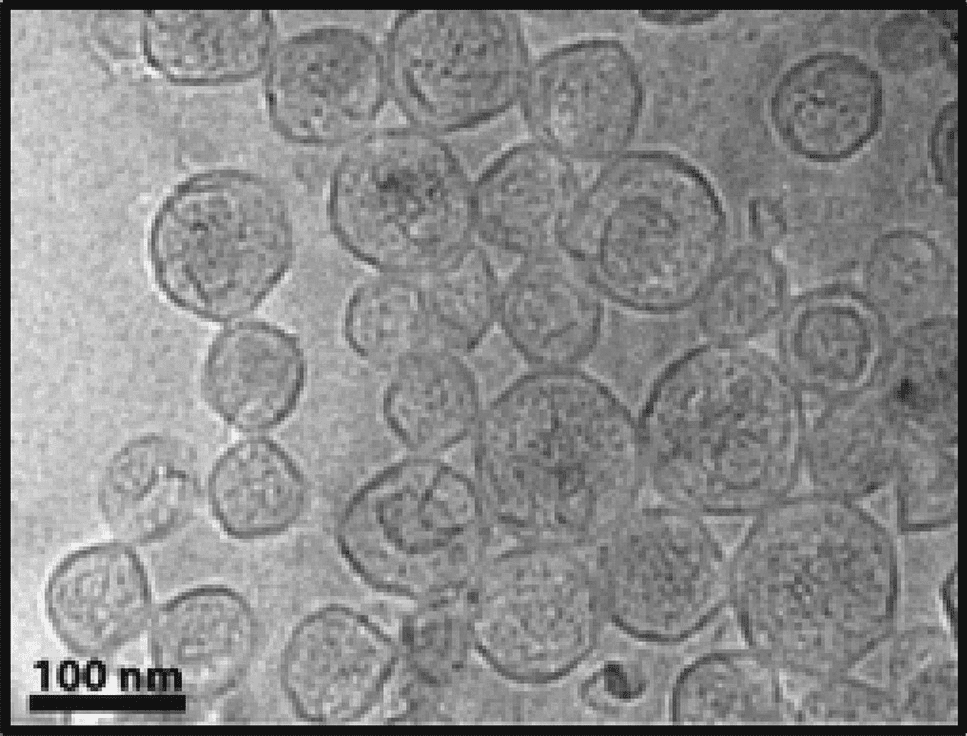
Pearl’s studies focused on molecular chaperones, a group of proteins that assist in the proper folding of other proteins. Protein misfolding can lead to diseases like Alzheimer’s, Parkinson’s, and certain cancers. Pearl’s research on heat shock proteins, particularly Hsp90, elucidated how these proteins ensure cellular functionality under stress.
Hsp90, a key chaperone protein, stabilizes and activates numerous proteins critical for tumor growth. Pearl’s findings highlighted Hsp90 as a promising target for anti-cancer drug development. By inhibiting Hsp90, researchers could destabilize proteins driving cancer progression, providing potential therapeutic solutions.
Pearl’s research also extended to DNA repair, where he studied how cells fix damaged genetic material. His work offered insights into the structural and biochemical basis of protein interactions involved in DNA repair and stability. This research holds significant implications for cancer therapy, as targeting DNA repair pathways can enhance the effectiveness of treatments.
Pearl was a Fellow of the Royal Society, a prestigious recognition of his contributions to science. He was also a Fellow of the Academy of Medical Sciences and the European Academy. In 2013, his team received the Cancer Research UK award for their work on developing Hsp90 as a cancer therapy target and for advancing the experimental drug AUY922 (Luminespib).
Additionally, Pearl received the Novartis Medal and Prize from the Biochemical Society, honoring his groundbreaking work in protein folding, DNA repair, and molecular chaperones.