

Francis Ernest Lloyd was a British-American biologist known for his groundbreaking contributions to plant physiology and botany. He gained prominence for his innovative studies on carnivorous plants and desert flora, securing a place among the leading scientists of his era. This article delves into the remarkable journey of the Manchester-born biologist. Next on manchestername.com.
Early Life in Manchester
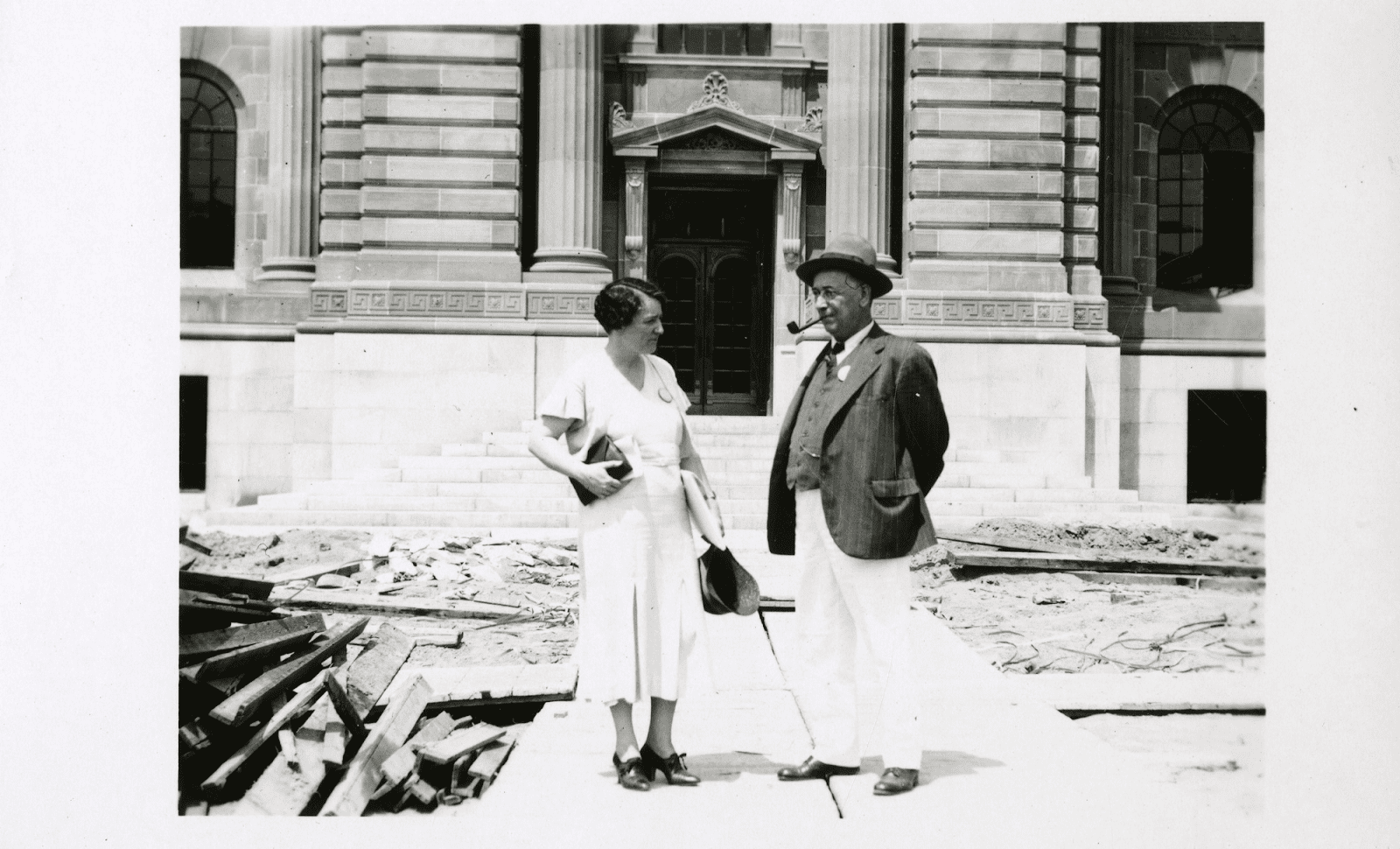
Francis Ernest Lloyd was born in Manchester in 1868, during the late Victorian era—a time of rapid industrialization. Manchester was a global hub for trade, science, and education.
Although little is known about Lloyd’s early life, his keen interest in biology and natural sciences began at a young age. This passion became the foundation for his illustrious career in the field of biology.
Education of Francis Ernest Lloyd
Lloyd pursued his education at Princeton University, but that was just the start of his academic journey. He also studied in New Jersey and attended universities in European cities such as Munich and Bonn. Immersed in botany and natural sciences during his studies, Lloyd demonstrated ambition and sought learning opportunities not only in Manchester but also abroad.
Career as a Botany Educator
With a wealth of knowledge gained from studying botany and plant etymology across the globe, Lloyd began sharing his expertise with others. Starting in 1891, he embarked on a teaching career, holding positions at various institutions, including:
- Williams College
- Pacific University
- Teachers College (Columbia University)
- Harvard Summer School
- Alabama Polytechnic Institute
- McGill University
Lloyd taught at multiple institutions throughout his life, across different continents. His teaching philosophy emphasized the importance of both fieldwork and laboratory studies, encouraging students to interact directly with nature.
In addition to teaching, Lloyd served as a researcher at the Carnegie Desert Botanical Laboratory and a cytologist at the Arizona Experiment Station. He also edited the botanical journal Plant World and co-authored Teaching Biology in Secondary Schools. His works were frequently published in international journals, and he maintained correspondence with other botanists.
Research Contributions of Francis Ernest Lloyd
Lloyd’s research focused on plant physiological processes, with a particular interest in carnivorous species. Fascinated by the unique adaptations of plants like Venus flytraps and sundews, which evolved to attract and digest insects, he delved into the mechanics of plant digestion and the environmental triggers influencing these species.
In addition to studying carnivorous plants, Lloyd explored desert flora, examining how plants survive in harsh, arid conditions. Through detailed fieldwork, he investigated how desert species conserve water, regulate photosynthesis, and adapt to extreme environments. His research significantly advanced the emerging field of ecophysiology.
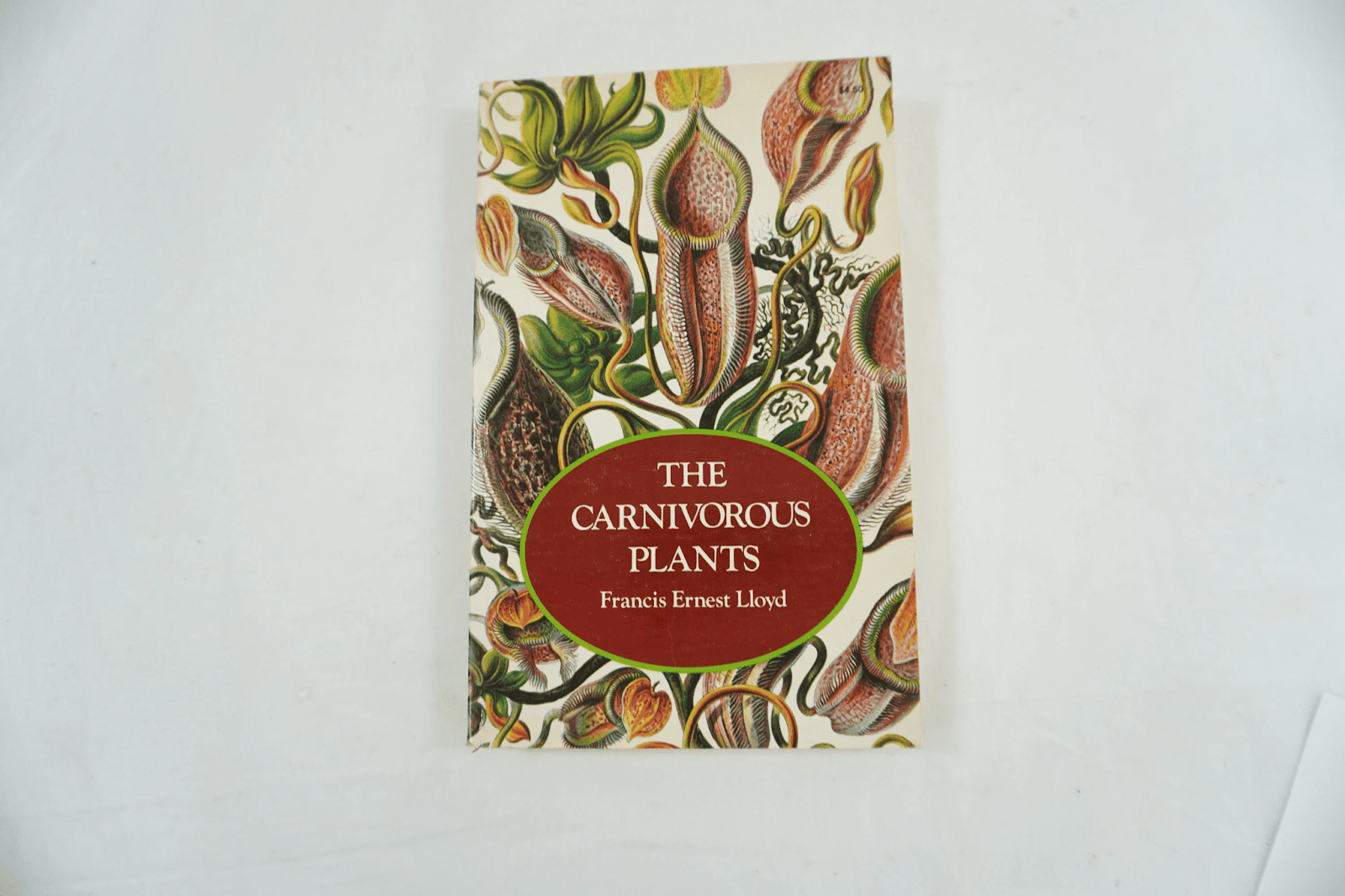
Lloyd’s findings were widely disseminated through scientific journals, and his 1942 book The Carnivorous Plants became a seminal work in the field. The book was praised for its depth and clarity, presenting complex biological concepts in an accessible manner. It remains a vital reference for both scientists and general readers.
Francis Ernest Lloyd, a distinguished botanist from Manchester, made lasting contributions to botany and plant physiology. His pioneering research on carnivorous plants and ecophysiology continues to influence modern science. As climate change prompts scientists to study how ecosystems adapt to shifting weather patterns, Lloyd’s work on plant evolutionary strategies remains highly relevant.
Lloyd spent much of his life in the United States, eventually settling in Carmel, California, during his later years. He passed away in 1947, leaving behind a rich legacy of scientific achievements. His notable publications include Comparative Embryology of the Rubiaceae Family, The Physiology of Stomata, and Guayule, among others.