

The River Irwell, flowing through Manchester, has been and remains a vital lifeline for the city. From its origins as a natural waterway supporting early settlements to its transformation into an industrial artery, the Irwell has shaped Manchester’s history, economy, and environment. In the 21st century, it stands as a symbol of regeneration, balancing its industrial heritage with ongoing ecological restoration. Next on manchestername.com.
The River Irwell has played a key role in Manchester’s development, serving not only as a trade route but also as a driver of the city’s industrialisation. Its waters powered numerous factories, contributing to economic growth. While the river endured periods of severe pollution, it has become a beacon of environmental recovery in the 21st century. Thanks to water purification initiatives and the restoration of natural areas, the Irwell has evolved into a hub for recreation and biodiversity.
The Origins of the River and Its Early History
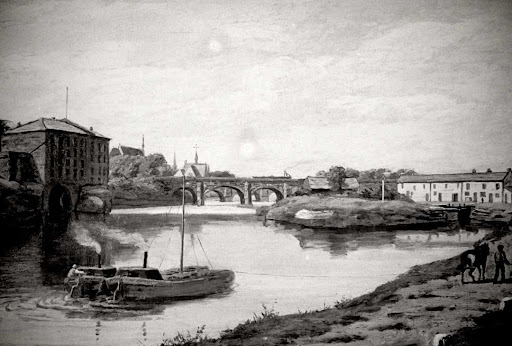
The River Irwell originates in the Pennines, near Bacup in Lancashire, and flows approximately 39 miles before joining the River Mersey near Irlam. Archaeological evidence suggests that the river supported early human settlements, providing water for fishing, drinking, and irrigation. As Manchester grew, the Irwell became a vital trade route, facilitating commerce and connections between towns along its banks. Settlements that developed around the Irwell heavily relied on it for sustenance and trade, making it a lifeline for the city’s early growth.
The Role of the River During Manchester’s Industrialisation and Urbanisation
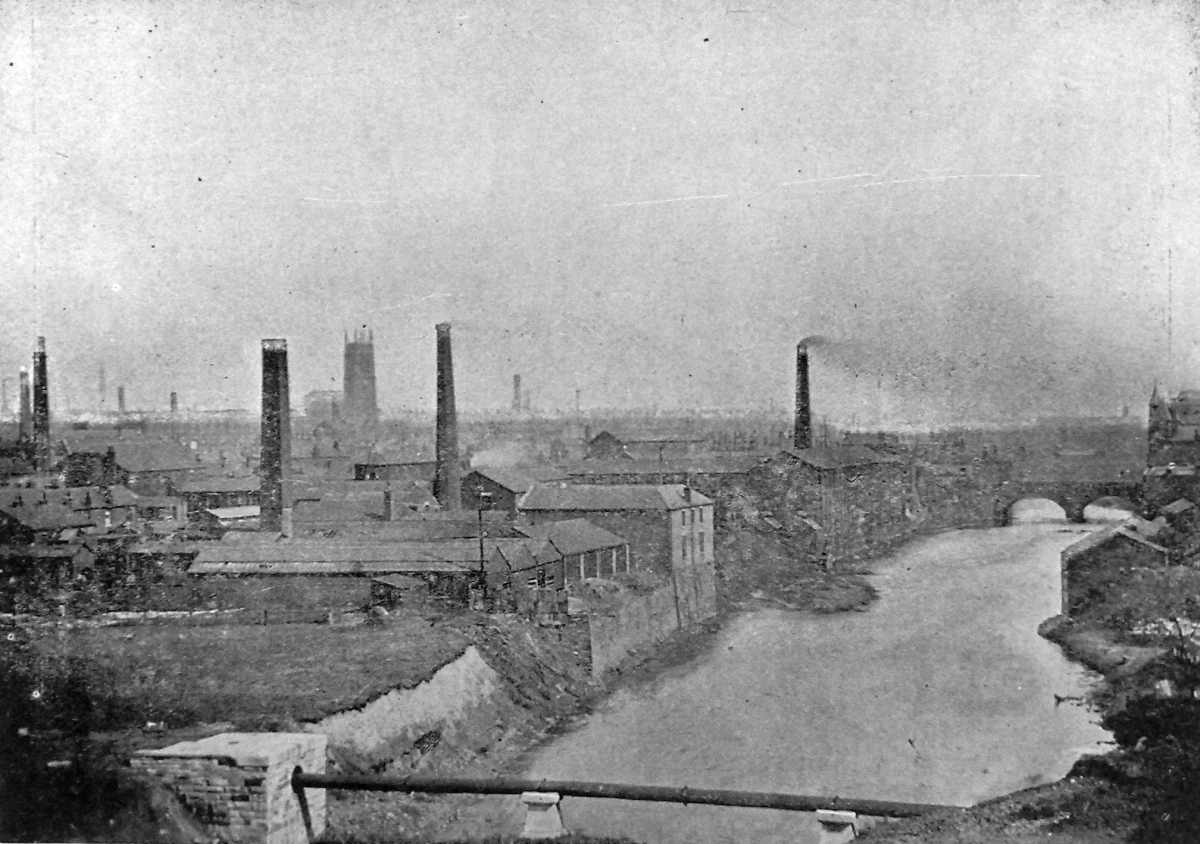
The Industrial Revolution of the late 18th and early 19th centuries transformed the River Irwell into a critical trade route and energy source. As Manchester became a hub for textile production and engineering, the river was used to power mills, transport goods, and dispose of industrial waste. Unfortunately, this era marked the beginning of the river’s ecological decline. Factories discharged chemicals, dyes, and other pollutants directly into the river, which devastated its ecological health. By 1850, fish stocks in the Irwell had been completely wiped out.
The construction of the Manchester Ship Canal, completed in 1894, further altered the river’s character. Linking Manchester to the Irish Sea, the canal boosted the city’s economy by enabling large ships to travel inland. However, it also exacerbated pollution in the Irwell, as industrial waste flowed freely into the canal and its connected waterways.
Environmental Decline of the River Irwell and Solutions to the Problem
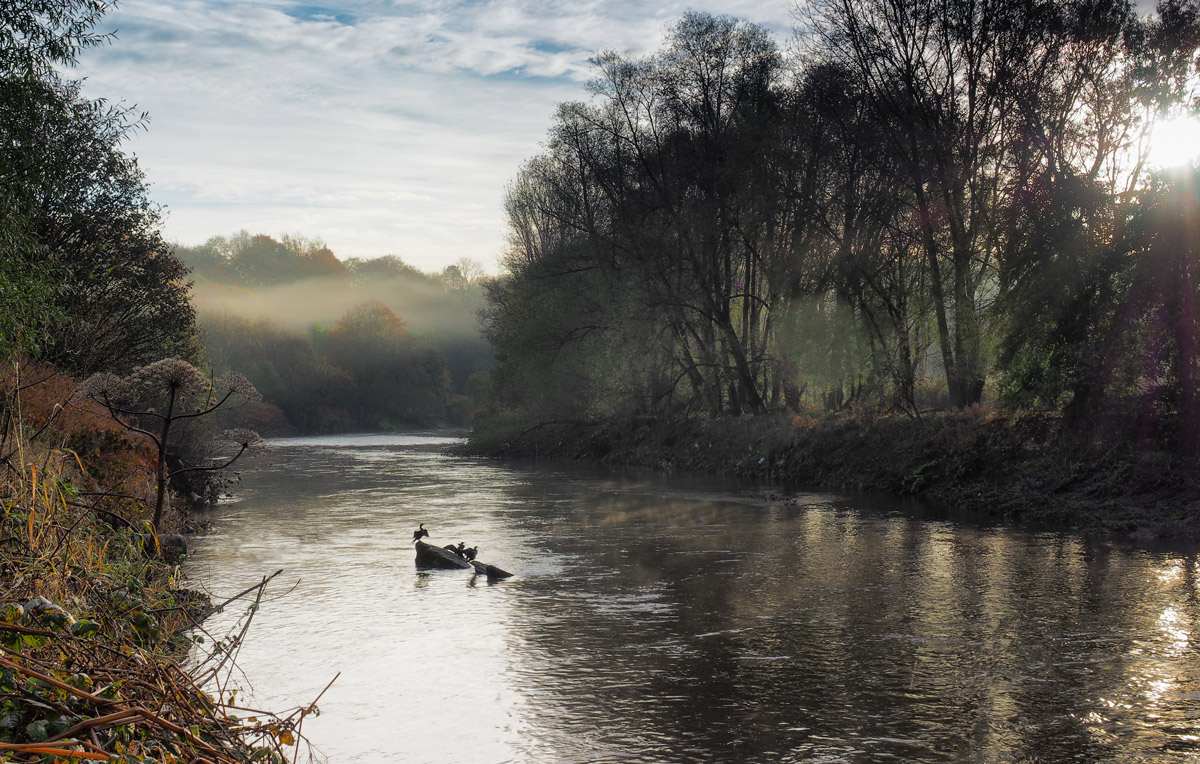
By the mid-20th century, the River Irwell was considered one of the most polluted rivers in the United Kingdom. Its waters were thick with industrial waste and debris, making it uninhabitable for aquatic life. The river became a stark example of the excessive impact of industrial activity on the environment. Not only was the water lifeless, but the banks of the Irwell were barren and desolate.
The extreme pollution of the river threatened not only ecosystems but also the health of nearby residents. The slow implementation of mitigation measures worsened the crisis, hindered by economic reliance on industry and limited environmental regulations at the time. From the latter half of the 20th century, Manchester’s authorities took significant steps to address the Irwell’s environmental issues. Over time, fish populations, including roach, bream, and chub, gradually returned as water quality improved. Brown trout even began to reappear.
In recent decades, the River Irwell has undergone remarkable transformation thanks to environmental initiatives by local authorities and residents. Numerous projects have been implemented, including river clean-ups, habitat restoration, the reintroduction of aquatic species, and the creation of green spaces along its banks.
Having endured numerous transformations, the River Irwell is now a popular recreational site for locals and tourists in the 21st century. Activities such as kayaking, walking, and birdwatching have made the river a cherished asset. Manchester authorities remain committed to maintaining a balance between urban development and the preservation of the Irwell.
Interesting Facts About the River Irwell
- The last sighting of salmon in the River Irwell was in the mid-19th century, around 1850.
- In 1971, the Angling Society received official permission to fish in the river, marking a significant improvement in water quality. This milestone led to the return of species such as roach and perch.
- In 1981, the Manchester Evening News published an article with the headline, “Fish in the Irwell… It’s True!” celebrating the surprising revival of life in the once-polluted river.
- The name “Irwell” is believed to derive from the Anglo-Saxon word erewell, meaning “white spring.”
- In AD 79, the Romans built the first bridge across the River Irwell at Cornbrook using rectangular stone blocks.