Manchester’s industrial past has left its mark on the city’s environment. Today, however, the main enemies of clean air are dense urban development, traffic congestion, and an abundance of diesel vehicles. The situation is exacerbated by active factories, seasonal heating, and local emissions, making it increasingly difficult to breathe in the metropolis. Since air quality directly affects public health, Manchester has deployed a state-of-the-art environmental monitoring system. A dedicated city network collects data and controls pollution levels using automated stations, smart sensors, diffusion tubes, and online platforms. You can read more about clean air technologies in Manchester on the manchestername website.
How Smart Air Pollution Sensors Work
Manchester authorities are deeply concerned about the health of their residents. To quickly reduce nitrogen dioxide levels on local roads to legally mandated limits, the city developed a comprehensive Clean Air Plan. Officially approved in 2025, the document outlines the modernization of public transport and provides financial support for implementing green solutions and new monitoring systems.
Automated environmental monitoring stations in Manchester operate around the clock, updating data every hour. This information is gathered for the local Air Quality Management Area, which is distinct from the broader Greater Manchester Clean Air Plan. Back in 2019, experts estimated that poor environmental conditions cost the regional economy up to £1 billion annually. However, the new system makes it possible to quickly pinpoint pollution hotspots and address them proactively.
The upgraded network consists of smart sensors, automated monitors in both the city center and residential areas, along with dozens of diffusion tube sites. The “AirSensa” system transmits data in real time. It also records detailed information on humidity levels, temperature, and concentrations of ozone and hazardous fine particulate matter (PM2.5). These compact devices can be spotted on public transport stops, streetlights, and building facades right in the heart of the city.
Traditional measuring stations are located in Piccadilly Gardens, Oxford Road, Bridge Street, and Sharston. They measure the concentration of harmful substances hourly and send the readings to a centralized analytical hub. All information is publicly accessible—the data can be downloaded from the Clean Air Greater Manchester, Air Quality England, and UK-AIR websites. Additionally, passive diffusion tubes for capturing nitrogen dioxide are scattered throughout the city, with samples collected once a month for in-depth laboratory analysis.
What Exactly Do the Systems Monitor?
Emission levels in Manchester are highly uneven. Sensors can show drastically different readings even on adjacent streets. It all depends on traffic density, the proximity of industrial facilities, and the urban layout. Nevertheless, the overall environmental background remains predictable. Most often, monitoring focuses on nitrogen dioxide and particulate matter (PM), although certain stations track other parameters as well.
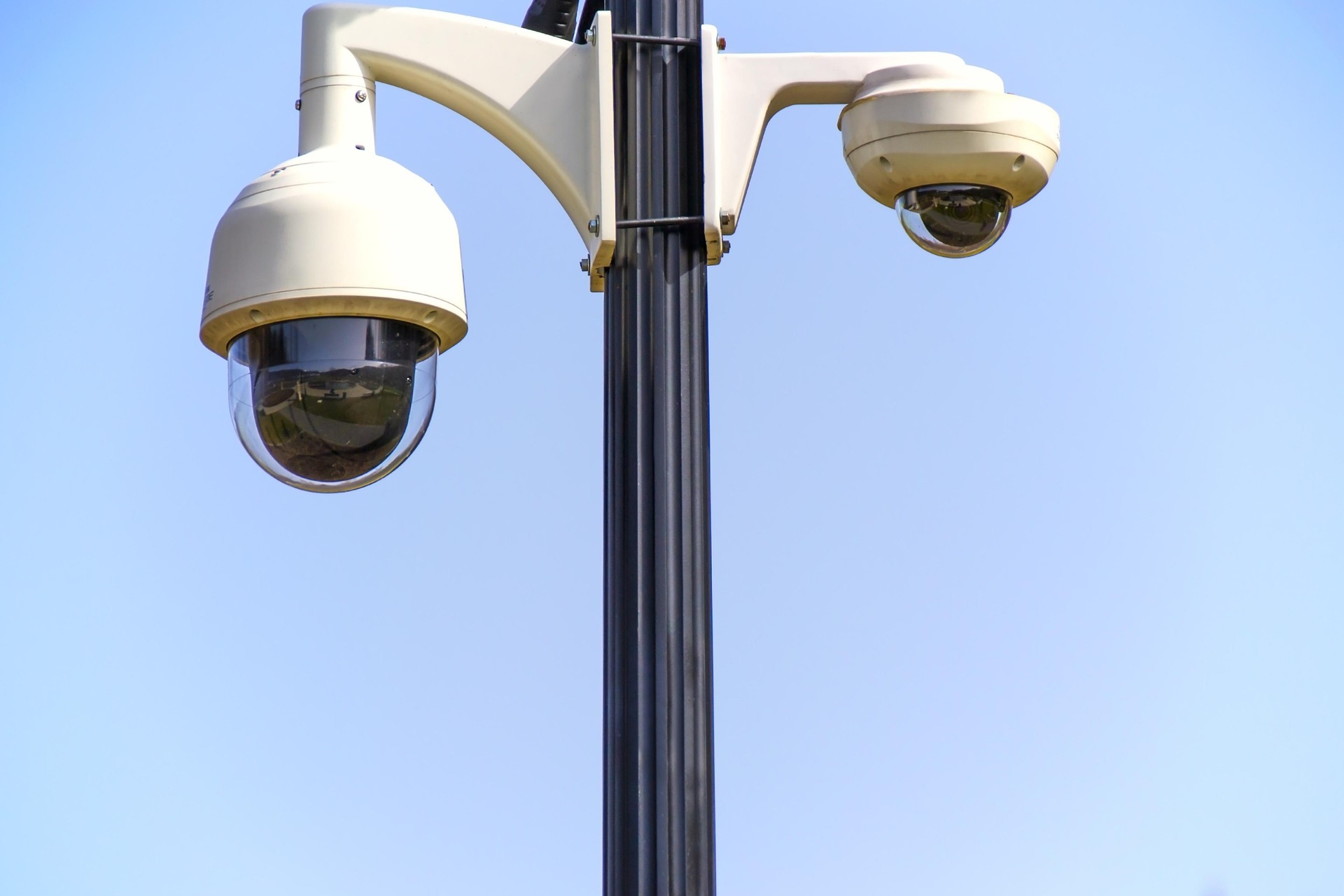
The city’s sensors are configured to detect the following threats:
- Nitrogen dioxide (NO2). A toxic gas released by burning fossil fuels, primarily diesel. Main sources include car engines, power plants, industrial facilities, and heating systems.
- Ozone. At ground level, this gas causes smog. It forms when emissions from vehicles, factories, and agricultural sites react chemically in the presence of sunlight.
- Sulfur dioxide (SO2). An invisible, colorless gas originating from both natural sources and the combustion of sulfur-rich fuels.
- Particulate matter (PM). Microscopic fractions of toxic dust, soot, construction debris, and microplastics from worn car tires.
Additionally, the system monitors emissions of benzene, lead, and carbon monoxide. This entire “cocktail” takes a heavy toll on the health of Manchester’s residents: harmful substances trigger respiratory diseases and significantly increase the risk of developing asthma and cardiovascular pathologies.
Clean Air for the Future
Modern monitoring in Manchester goes beyond merely gathering statistics; it’s a practical tool for taking care of the community. Sensors allow for the microscopic examination of locations where pollution levels consistently go off the charts. This is crucial, as a vast number of people live right next to busy highways and suffer daily from the effects of heavy traffic.
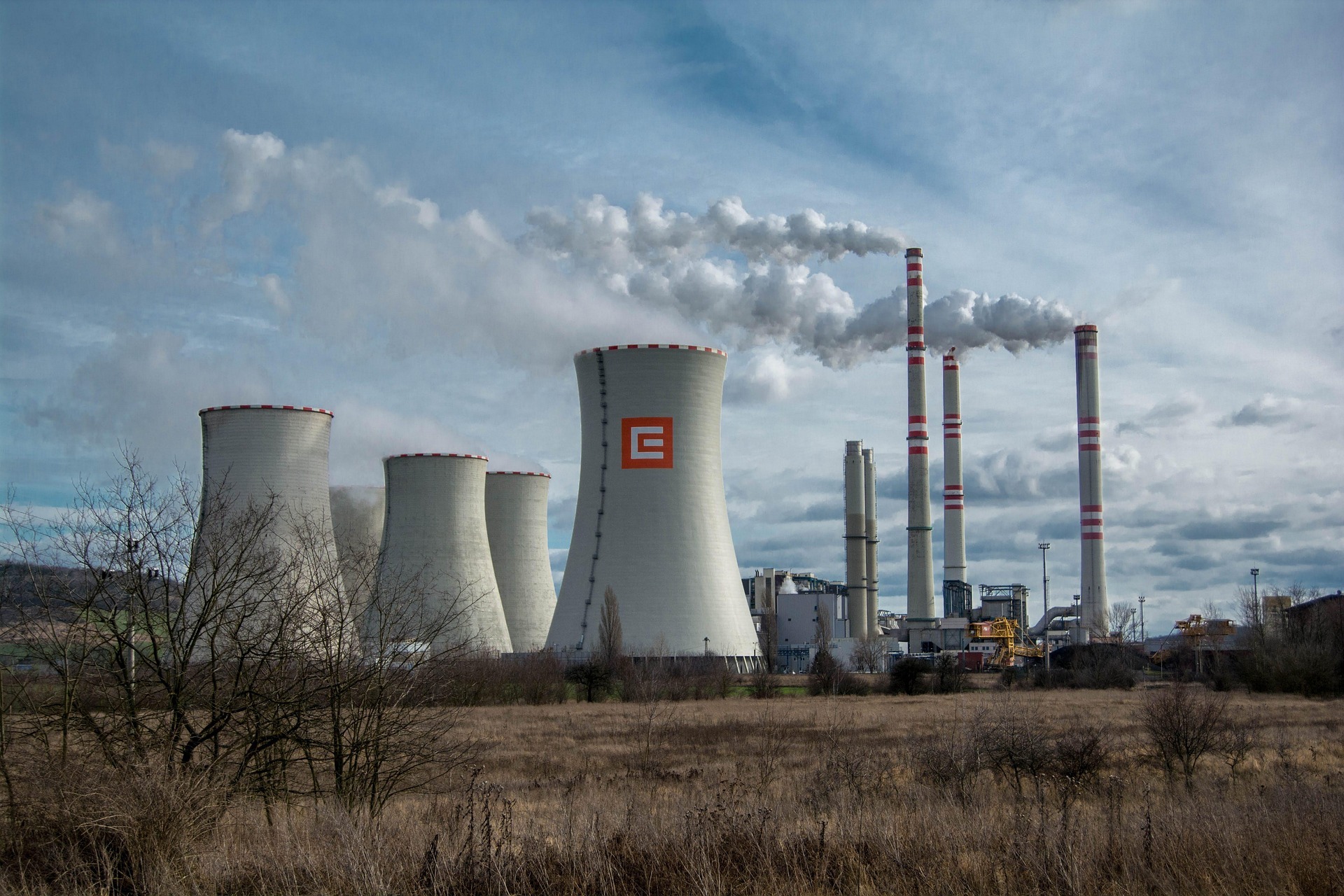
The main benefits of Manchester’s smart sensor network include:
- Pinpointing specific sources of pollution.
- Raising public awareness about environmental issues.
- Real-time monitoring of particulate matter (PM), nitrogen dioxide (NO2), and other pollutants.
- Absolute transparency and open access to data for the public.
- Productive collaboration between environmentalists, universities, schools, and the local authorities.
In the coming years, this extensive data pool will help to smartly plan new transport hubs, evaluate the effectiveness of eco-programs, and identify problem areas requiring urgent emission-reduction measures.
Summary Table: How Air Quality is Controlled in Manchester
| Monitoring System | Primary Objective | Implementation Example in Manchester |
| Smart Sensors (AirSensa) | Real-time pollution analysis | Various municipal projects |
| Automated Stations | 24/7 monitoring | Piccadilly Gardens, Oxford Road, Bridge Street, and Sharston |
| Clean Air Plan | Emission reduction | Major investments in the environment and transport |
| Analytics Platforms | Online data processing | Support for the Clean Air Plan |
| Projects and Research | Forecasting environmental conditions | Collaboration with Manchester Metropolitan University, transport policymakers, local authorities, schools, and independent experts |
Today, Manchester serves as a prime example of how the coordinated efforts of local government, the scientific community, and modern technology can improve people’s lives. Anyone can easily go online to get comprehensive information about the air they breathe. The core principle behind this work is simple: to eliminate a threat, you must first make it visible.