For a major city like Manchester, waste management and landfill reduction are critical priorities. Decades ago, trash piled up in massive dumps, polluting both the soil and air. Today, however, city officials have taken a different path by embracing recycling. This has evolved into a highly advanced, high-tech industry that transforms garbage into fuel for electricity. You can read more about how Manchester turns waste into power on manchestername.
Waste Recycling in Manchester
Waste management in Greater Manchester begins with sorting rather than recycling. Glass, paper, metal cans, plastic, and household waste are all separated. SUEZ manages this process through its network of mechanical treatment facilities. The company aims to boost recycling rates and divert more than 96% of municipal waste from landfills. One of its largest facilities is located in Trafford Park, with another operating in Newton Heath. Here, everyday trash is processed into refuse-derived fuel (RDF). Additionally, all of Greater Manchester’s paper and cardboard is recycled at the Saica paper mill. This partnership serves as an excellent model of industrial success with a positive climate impact. Notably, the recycling rate for Greater Manchester reached 50.9% in 2024/2025.
Local municipal services deliver waste to reception points where it is shredded, compacted, and baled. These bales are then transported by rail to the Energy from Waste (EfW) facility in Runcorn, Cheshire. Although this primary waste-to-energy facility lies outside Manchester’s administrative boundaries, the entire system is designed to keep the city clean. Looking ahead, a planned Carbon Capture and Storage (CCS) project at Runcorn is set to supply carbon dioxide to the HyNet carbon capture cluster in the Northwest.
Viridor, one of the UK’s largest waste management companies, also plays a key role, exemplifying Manchester’s modern approach to the circular economy. Residual waste is sent to the Raikes Lane thermal recovery facility, where incineration generates steam to power turbines and produce electricity. These waste-to-energy plants are crucial to meeting efficient and sustainable waste management goals, ultimately helping mitigate climate impact.
How Do Waste-to-Energy Plants Work?
To fully appreciate this process, it helps to look at the details. Sorted waste streams are sent to Manchester’s high-tech material recovery facilities. At plants like the Runcorn Energy Recovery Facility (ERF), the process begins with waste delivery, followed by several structured stages. Once the waste is unloaded into a massive bunker, cranes feed it into a specialized combustion chamber where temperatures reach at least 850°C (1,562°F). This extreme heat ensures complete combustion and destroys harmful substances. The resulting steam spins turbine generators to produce power. Furthermore, advanced flue gas treatment systems ensure emissions fully comply with strict UK environmental standards.
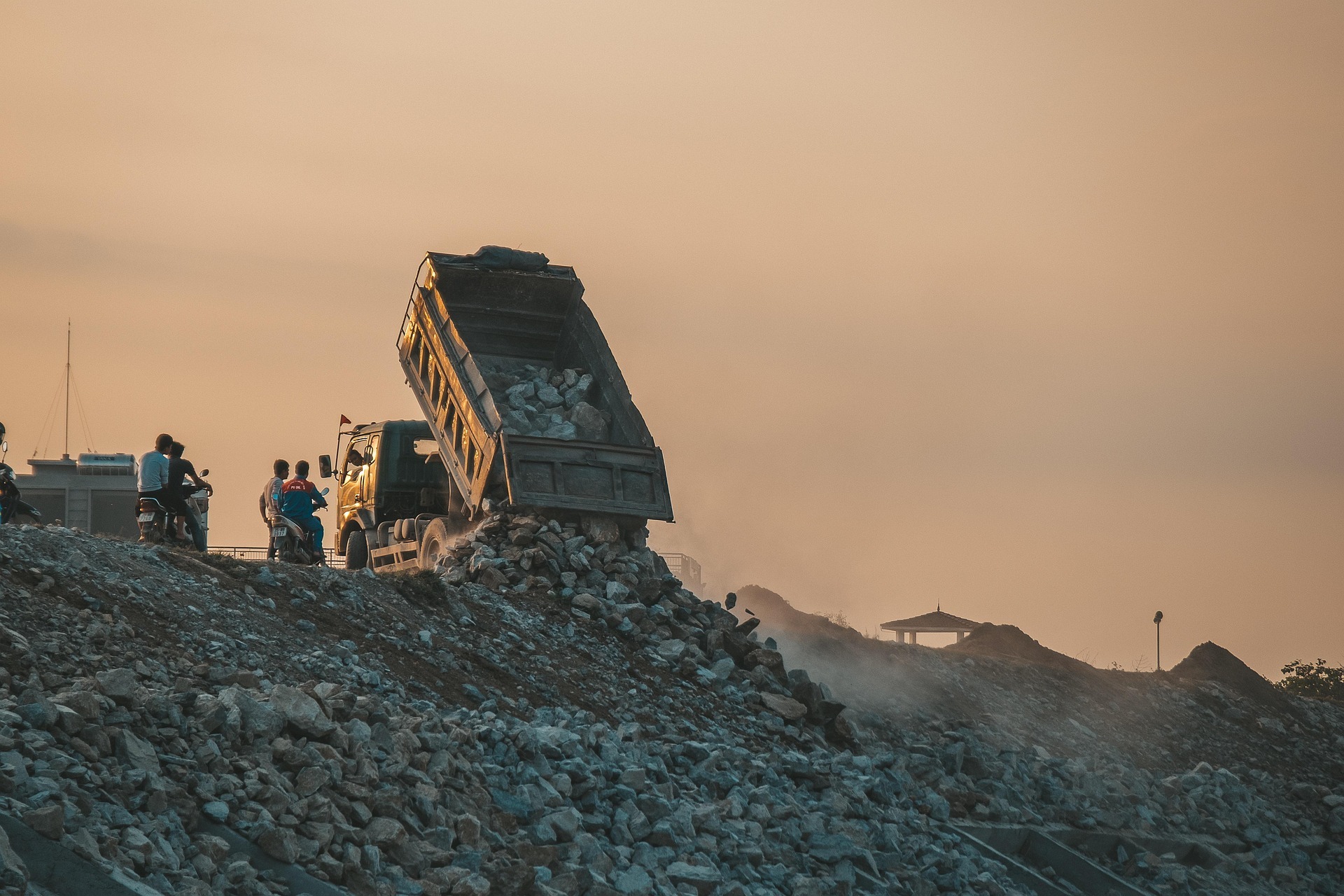
The key stages of the waste-to-energy process:
- Waste collection
- Shredding and compacting
- Transportation
- Feeding waste into the plant’s bunker
- High-temperature incineration
- Electricity generation
The Future of Manchester
Manchester’s modern waste-to-energy sector has truly become a high-tech industry. This approach turns trash into a valuable resource, generating electricity and heat to power local homes and businesses. However, we shouldn’t lose sight of the fact that waste itself is not an inherent good; energy recovery is strictly reserved for materials that cannot be reused or recycled in any other way.
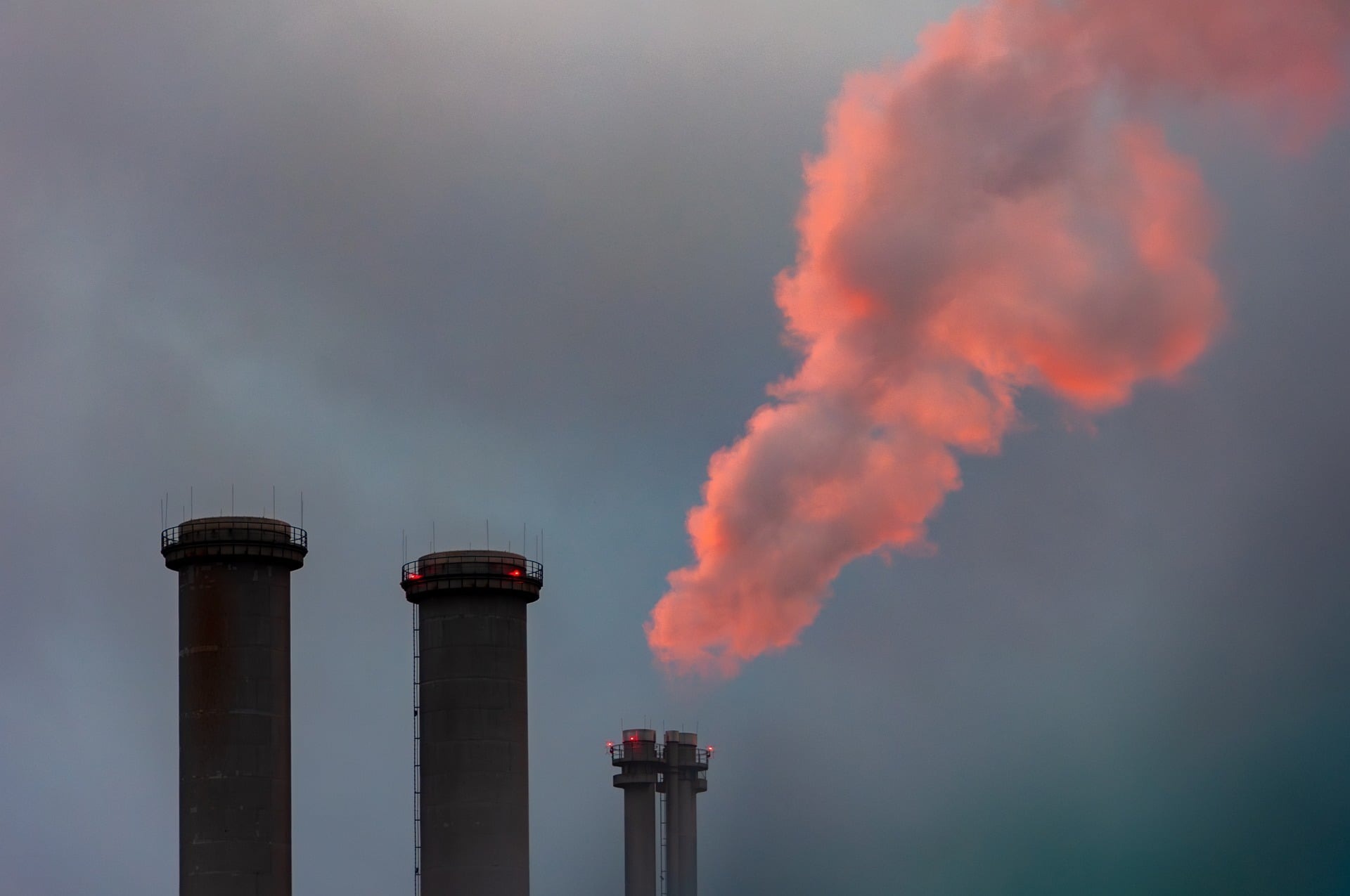
In particular, the Greater Manchester Combined Authority’s Interim Recycling and Waste Plan for 2026–2030 emphasizes resource reduction, reuse, and recycling. These steps will minimize waste, with any remaining processable materials being utilized for energy generation.
Summary Table: How Manchester Generates Energy from Waste
| Stage | Process | Example in Manchester |
| Sorting | Separating recyclable waste | Separate streams for paper, plastic, glass, and metal |
| Mechanical Preparation | Residual waste is shredded and compacted | Waste preparation occurs at Manchester’s mechanical treatment facilities |
| Transportation | Bales are transported to the energy plant | A portion of the waste is transported by rail to Runcorn |
| Energy Generation | Incineration produces steam that spins a turbine | Electricity is fed into the UK national grid |
| Flue Gas Treatment | Gases are cleaned using filters and chemical reagents | Emissions are kept strictly within environmental limits |
Ultimately, Manchester is actively looking out for its residents’ future by pursuing innovative solutions for responsible consumption. Project reports highlight how high-tech facilities can effectively transform waste into a valuable resource. This not only keeps the city cleaner but also makes it more energy-efficient. In the years ahead, such initiatives are poised to play an even greater role in the global fight against climate change.