

Manchester is not just about industrial heritage. The city is also rich in green spaces, which have played a crucial role in its ecological revival over the decades. In the 21st century, Manchester boasts numerous parks with a rich history. This article explores the ecological legacy of Alexandra Park, named after Princess Alexandra and designed as part of the Victorian effort to provide recreational spaces for the city’s residents. Departing from rigid Victorian layouts, the park featured wide pathways and open spaces, blending gardens, sports facilities, and promenades in an innovative approach for its time. Next on manchestername.com.
The Creation of Alexandra Park
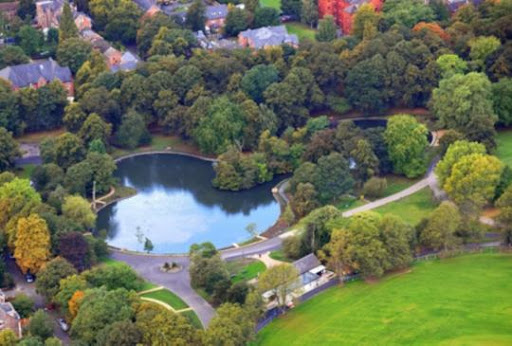
The history of Alexandra Park dates back to the second half of the 19th century. Officially opened in 1870 by Manchester’s then-Mayor, the park was named after Princess Alexandra. It was funded through public donations, making it a “people’s park” that symbolised community ownership and pride.
Located between the districts of Whalley Range and Moss Side, the park spans 60 acres and has been a cherished retreat for Manchester residents for decades. Recognised as a national treasure, Alexandra Park is listed on the Register of Parks and Gardens of Special Historic Interest in England.
Designing the Park
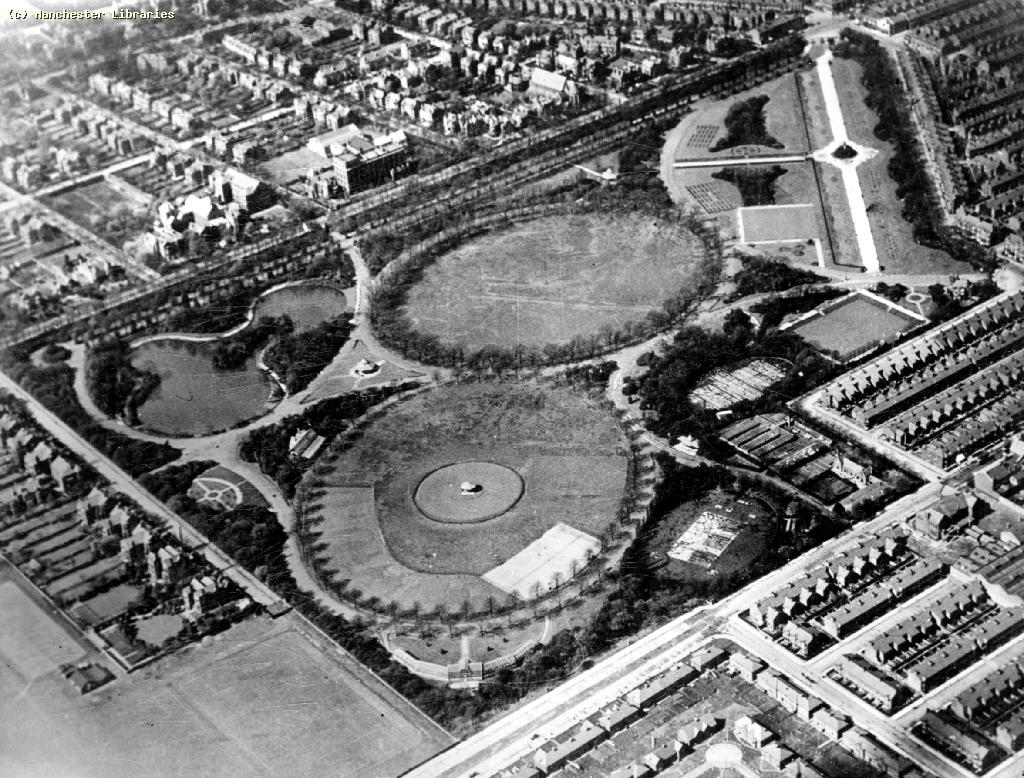
Alexandra Park was designed by London landscape architect Alexander Gordon Hennell, who won a park design competition in 1868. Unlike the rigid geometric patterns typical of the Victorian era, Hennell’s design incorporated gently curving pathways and oval-shaped spaces for recreation and sports. Inspired by Eastern aesthetics and the unique characteristics of the Manchester landscape, Hennell created a park that was truly innovative for its time.
The project included notable structures such as Chorlton Lodge, designed by Alfred Darbyshire in 1868-1869. Initially, the park featured facilities like Serpentine Lake for leisure activities, separate gymnasiums for men and women, a cricket ground, Lime Walk, and a terrace for promenading. In 1871, the park introduced Manchester’s first sunken bowling green.
Over time, additional elements were added. The southern oval gained a bandstand, while the northern oval featured a flagpole. Refreshment rooms and hexagonal shelters were also installed to enhance visitors’ comfort.
By the late 19th century, Alexandra Park was considered the jewel of Manchester’s parks. In the early 20th century, the park added a unique feature: a glass pavilion housing Charles Darrer’s remarkable collection of cacti. This collection included rare specimens like giant cacti from Mexico and opuntias, becoming one of the country’s most significant botanical attractions.
In the 1930s, an outdoor swimming pool was added to the men’s gymnasium. The park’s southern area was equipped with tennis courts and a putting green, while Princess Road was extended along the park’s eastern edge, incorporating a central tram line.
Challenges and the Park’s Importance to Manchester
Despite its popularity, Alexandra Park fell into decline. Urbanisation, economic pressures, and shifting priorities led to decades of neglect. Environmental degradation exacerbated the park’s challenges, and reduced funding limited its upkeep.
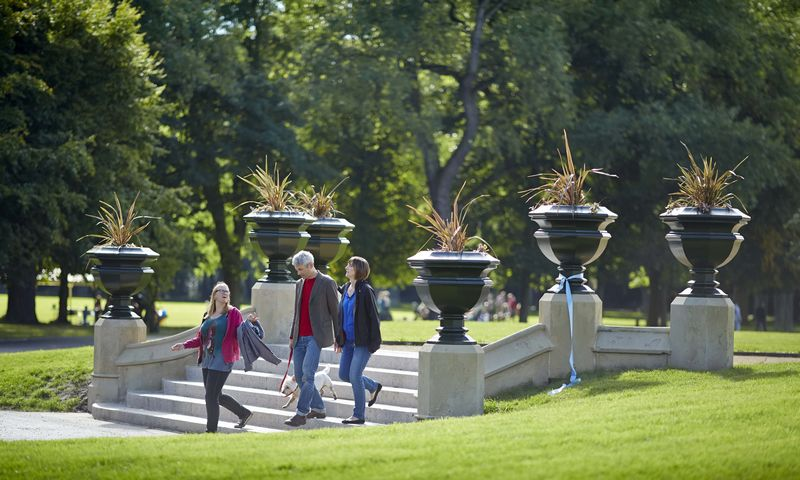
For a long time, Alexandra Park faced a crisis of disrepair until the early 21st century, when Manchester City Council recognised the park’s importance. A major restoration project was implemented, involving the revival of historical structures, improvements to pathways, revitalisation of greenery, and restoration of facilities for sports and community events. This effort gave the park a second life, re-establishing it as a vibrant public space.
Alexandra Park is not just an ecological asset that contributes to Manchester’s environmental health; it also holds deep social significance. The park played a vital role in the suffrage movement, hosting rallies led by activists like Emmeline Pankhurst advocating for women’s voting rights.
In the 21st century, Alexandra Park continues to strike a delicate balance between urban development and ecological sustainability. As a green space in a densely populated area, the park helps combat pollution, supports biodiversity, and provides a sanctuary for residents to reconnect with nature. Local residents, in collaboration with city authorities, actively engage in the park’s development, planting trees and restoring habitats for wildlife.