

The emergence and development of Manchester’s sewer system represent a crucial chapter in the city’s history. The introduction of an early sewage system significantly improved public health and overall urban life. In the 21st century, it is hard to imagine what the city was like in the early days of its sewage infrastructure. Let’s delve into the history of one of Manchester’s most important engineering feats—the development of its sewer system, as documented by manchestername.com.
What Triggered the Development of the Early Sewer System?
Manchester, as an industrial hub, began to grow and expand rapidly at the end of the 18th century during the height of the Industrial Revolution. The city became a center of industrialization, home to numerous factories and mills, and a crucial junction for trade routes. This drew large numbers of migrants seeking better opportunities, wealth, and employment. The population growth was staggering. By 1753, Manchester had about 10,000 residents; by the early 1800s, this number had risen to 60,000.
Rapid industrialization and urbanization led to overcrowding, unsanitary living conditions, and recurring outbreaks of disease. The problem worsened daily, prompting city authorities to take urgent action to improve sanitation infrastructure. This necessity led to the establishment of Manchester’s early sewage system.
What Was Manchester’s Early Sewage System Like?
The early sewage system of Manchester was markedly different from today’s extensive network of pipes and tunnels that serve a densely populated city.
The system included structures such as open drains and the River Tib, a tributary of the River Medlock in Manchester. The first precursors to sewer collectors were built around the 1790s, driven by a new Police Act that granted the authority to lay and improve city streets.
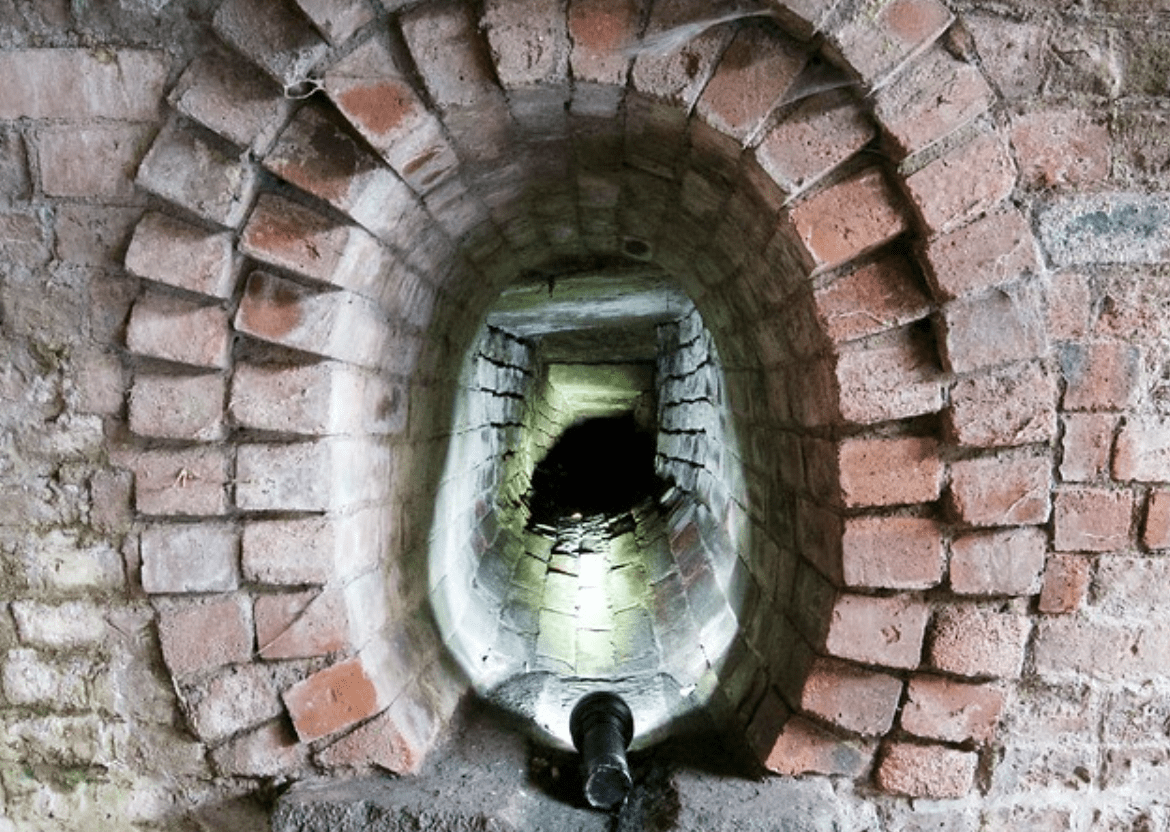
One notable feature of the early sewage system was the use of underground brick-lined pipes and channels. These functioned as conduits to carry wastewater and stormwater away from streets and residential areas. This infrastructure was a significant improvement over the open ditches and cesspits previously used in the city. It helped reduce waterborne diseases and improved the general health of Manchester’s inhabitants.
Historical records of early sewer systems in Manchester are scarce. However, it is known that beneath the city’s oldest neighborhoods, approximately 2–3 miles of ancient sewer collectors exist. Unfortunately, neither the city authorities nor historians have fully mapped their layout in the 21st century. Most of these tunnels have become part of the city’s modern sewage system. In 1976, during sewer works on Oxford Road, one branch of Manchester’s early sewage system was discovered.
Manchester’s Sewer Pipes in the 19th Century
As the population grew and the city expanded, the sewer system underwent modernization. A significant milestone was achieved in 1830 when sewage systems were extended to outlying areas. Between 1835 and 1860, the system expanded to neighboring towns such as Cheetham, Ardwick, Chorlton, and Hulme.
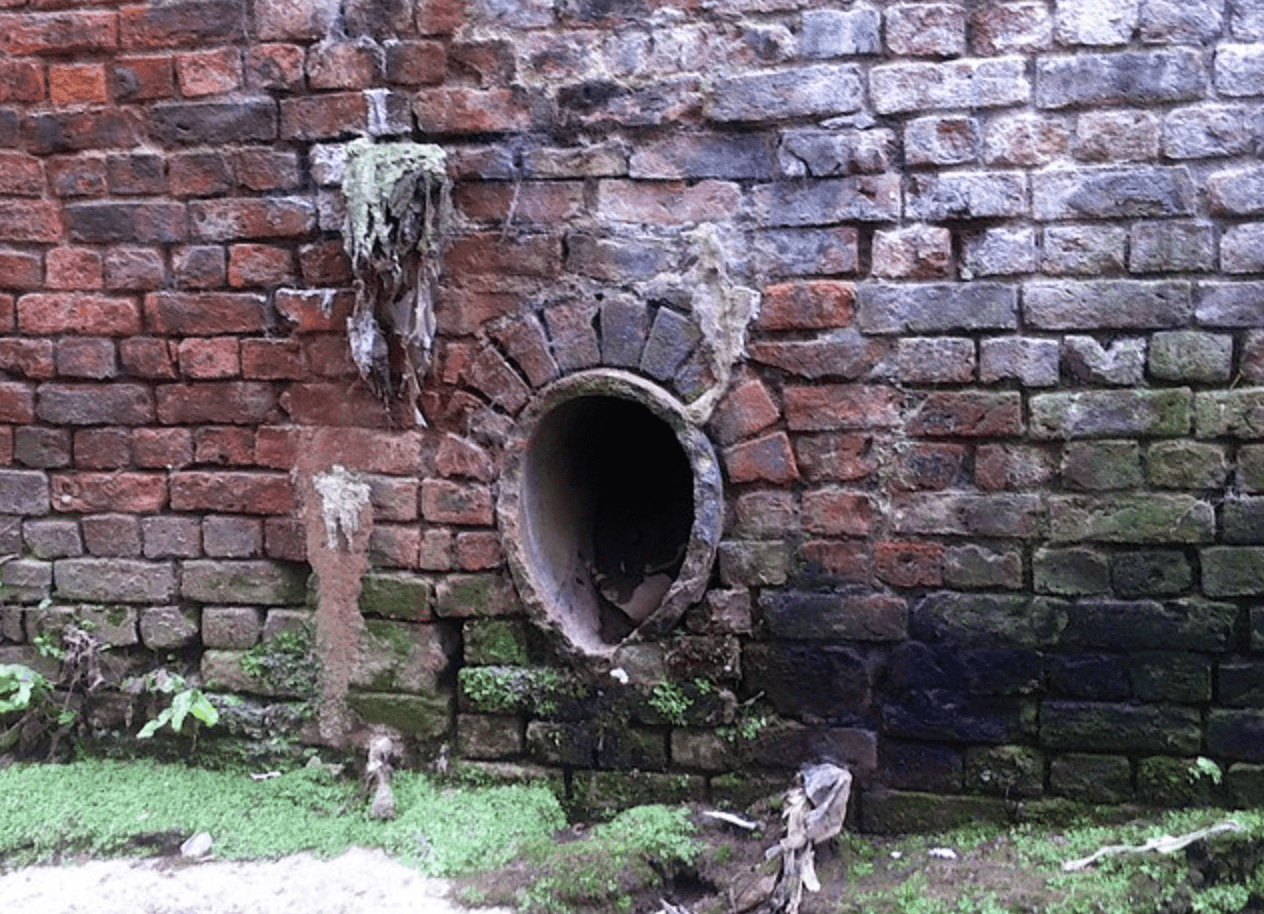
During the 19th century, sewer pipes were laid beneath streets. The early sewer system discharged into water bodies such as the Irwell, Irk, and Medlock Rivers. This system had a U-shaped design, was no more than 3 feet wide, and lacked manhole covers.
The rapid construction of sewers in the mid-19th century often led to substandard work. This became evident when a city street collapsed into an underground sewer.
The sewer systems were primarily constructed of brick. By the late 19th century, self-cleaning clay pipes with an egg-shaped design were introduced. These were significantly cheaper but proved impractical over time, as the clay tended to erode. This often caused land subsidence, collapses, and voids around the pipes.
It’s important to note that the early sewage system primarily aimed to manage surface water runoff. However, as the city grew and the widespread use of toilets, cesspits, and industrial waste increased in the 19th century, a new modern solution became necessary.
The Transition to Modern Sewage Systems
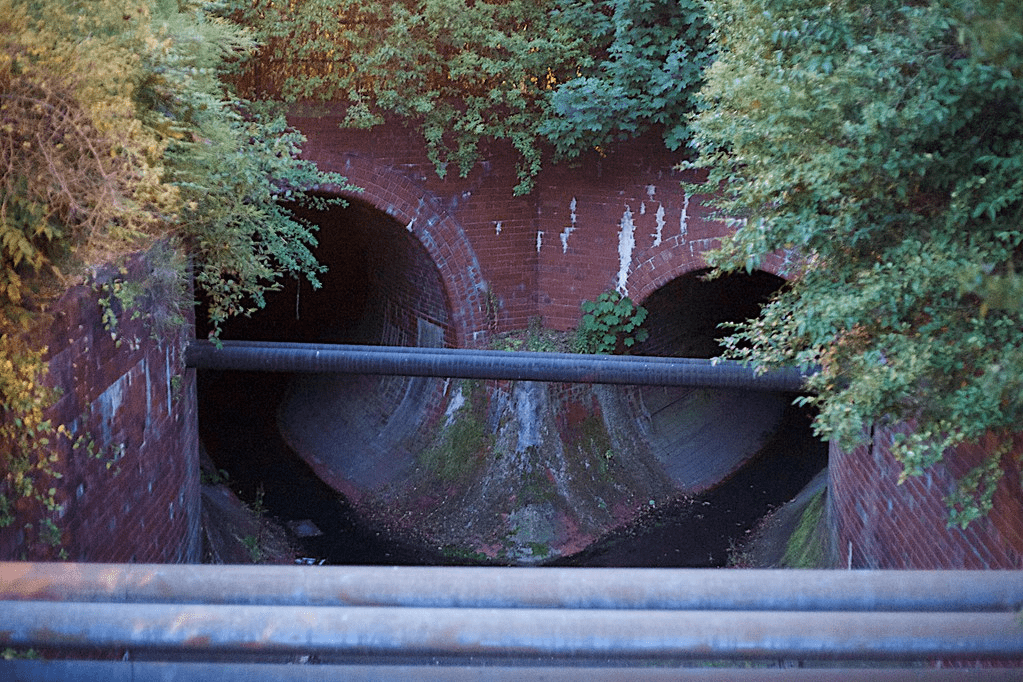
As Manchester developed, so did its sewer system. One of the most significant advancements was the construction of wastewater treatment plants. New sewer systems were built with innovative technologies. Despite these achievements, wastewater issues persisted for many years due to rapid urbanization and industrialization, which constantly strained the sewer system with overflows and blockages.
The city authorities continued efforts to modernize and update the system throughout the 20th century. This period saw the introduction of new wastewater treatment facilities, interceptor sewers, and stormwater management structures.
Since the creation of Manchester’s first sewer system, much has changed. Yet, in the 21st century, the principles of sanitation and public health that shaped the development of Manchester’s sewer system remain as relevant as they were in the 18th century.