

The River Medlock, which flows through the bustling city of Manchester, boasts a rich and vibrant history deeply intertwined with the city’s development. Its course has been shaped by centuries of municipal growth, heavily influenced by industrialisation and urbanisation. Despite these challenges, in the 21st century, the Medlock still retains pockets of pristine nature, offering Manchester residents cherished spaces for reconnecting with the environment. Next on manchestername.com.
Characteristics of the River Medlock
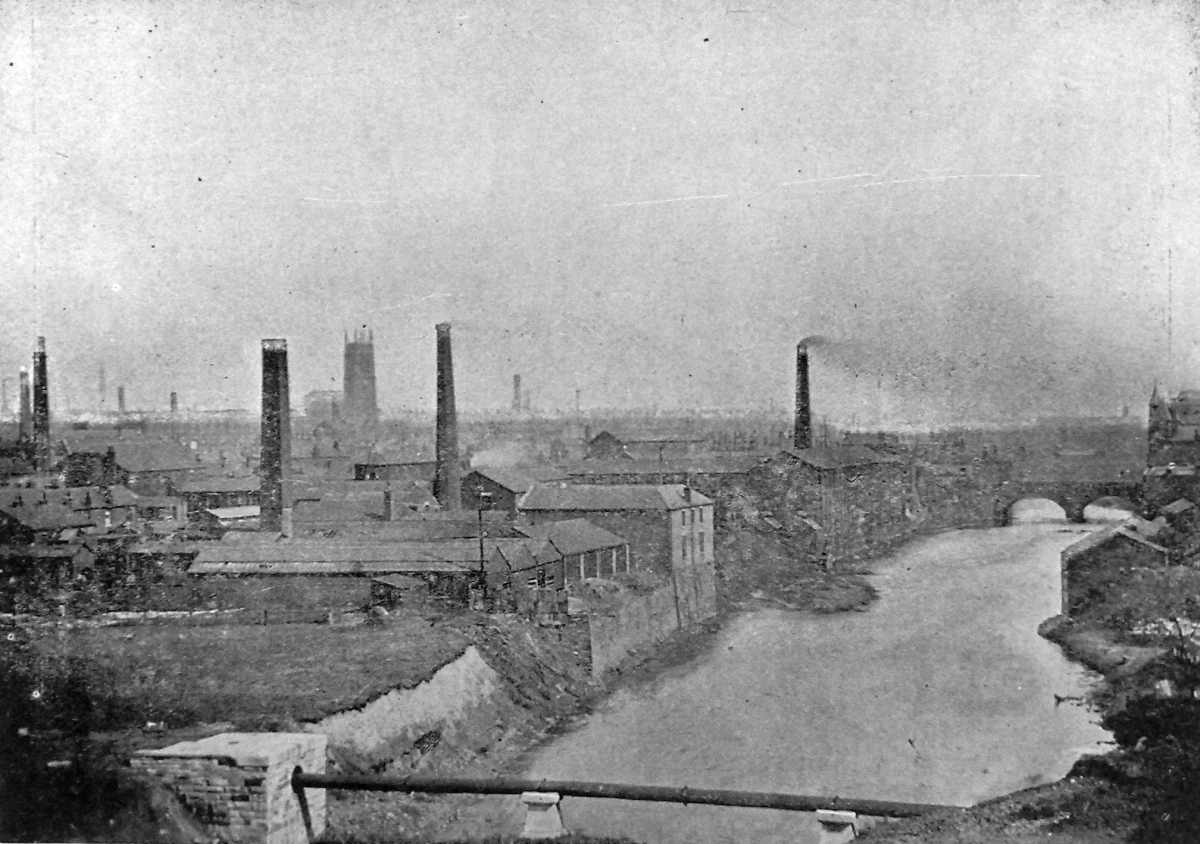
The River Medlock is relatively small, with a length of just 16 kilometres (10 miles), and its water flow varies significantly. For instance, during the dry period of 1868, the flow was about 7,000 gallons per minute. However, the river has also experienced floods, with an extreme case recorded in 1856 when the flow reached 2,400 cubic feet per second, equivalent to 900,000 gallons per minute.
The Medlock originates in the hills near Strinesdale, east of Oldham, flowing through a steep wooded valley between Lees and Ashton-under-Lyne. Along its course, it passes through Daisy Nook Country Park, where a 19th-century aqueduct spans its shallow waters, supporting the former Hollinwood Branch Canal.
Importance of the River Medlock to Manchester
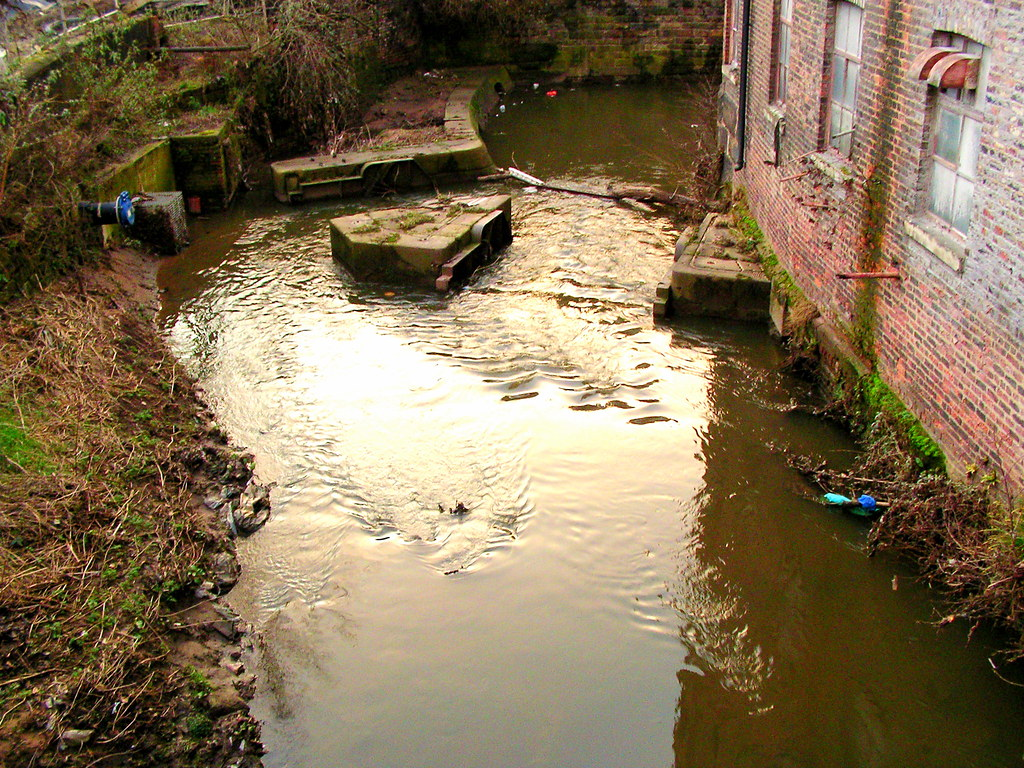
Often overshadowed by the larger River Irwell, the River Medlock nevertheless plays a significant role in Manchester’s history. Originating in eastern Oldham, the Medlock flows south and west for approximately 16 kilometres (10 miles), joining the Irwell, which runs through the heart of Manchester.
Like the Irwell, the Medlock supported the city’s development in numerous ways. In the late 18th century, parts of the Medlock were navigable, connecting the Bridgewater Canal at Deansgate with areas like Whitworth Street, where “India House” now stands. A tunnel at “India House” was once used to deliver coal to a wharf near Store Street, close to Piccadilly Station. Although the tunnel’s mouth still exists, its use ceased due to silting and the construction of the Rochdale Canal. Both the Medlock and Irwell provided water power for Manchester’s factories and mills and were pivotal in shaping the city’s industrial landscape.
The winding courses of these rivers influenced the layout and location of many of Manchester’s factories, with buildings often obscuring parts of the waterways. By the 21st century, some sections of the Medlock are visible only in select parts of the city.
Challenges Facing the River Medlock and Its Restoration
Over time, the water quality of the River Medlock deteriorated significantly, reaching critical levels. The river was used as a dumping ground for industrial waste, sewage, ash, and slag, turning it into a catastrophically polluted waterway. Small gas plants at factories exacerbated the situation, with by-products such as tar and ammoniacal liquor discharged directly into the river, causing severe ecological damage. Following the Industrial Revolution, the Medlock faced near destruction and required immediate intervention to improve its environmental state.
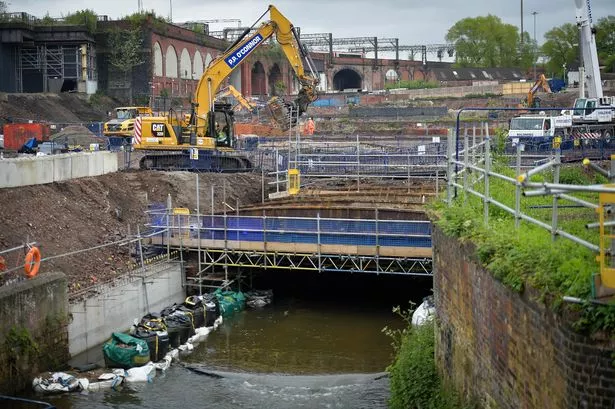
Significant efforts to restore the Medlock have been made from the 19th century to the present day. These efforts include uncovering sections of the river that had been buried beneath Manchester’s industrial infrastructure. Restorative projects have returned the Medlock to its natural course and revived it within the modern urban environment.
In the 21st century, numerous programmes aim to revitalise the Medlock. One such initiative is an environmental campaign aligned with the EU Water Framework Directive, which seeks to restore the natural state of rivers across Europe by 2027.
Another project, the “Our Rivers, Our City” strategy, aims to integrate Manchester’s three rivers—Irk, Medlock, and Mersey—into the city’s development plans. This strategy focuses on their roles in biodiversity, flood management, and reducing carbon emissions. It includes creating new green spaces, improving water quality and accessibility, and incorporating the rivers into future developments, such as the construction of 15,000 homes in the Victoria North area. The strategy emerged from public consultations in which 90% of participants supported highlighting the role of rivers in urban life.
Despite these measures, incidents of pollution still occur. One notable case happened in 2017 when a water company illegally discharged waste into the River Medlock, violating environmental regulations. This caused significant harm to the local ecosystem, resulting in a fine of £666,000 for the company.