

Platt Fields Park has been a beloved destination for Manchester residents for decades. Covering an area of 170 acres, it is more than just a recreational space. This location holds significant historical value for the city, transitioning from a grand estate to a public park and standing as a testament to Manchester City Council’s commitment to preserving green spaces amidst rapid urbanisation. Next on manchestername.com.
In the 21st century, Platt Fields Park continues to attract locals and tourists alike, offering picturesque spots, diverse recreational zones, and opportunities for active leisure.
From Platt Estate to Public Park
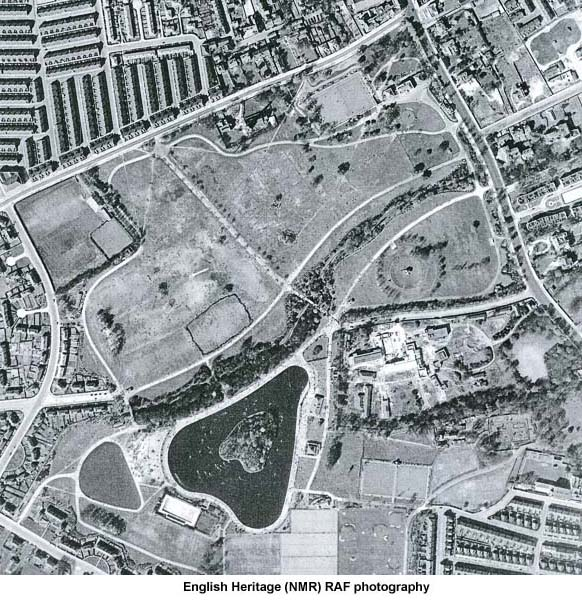
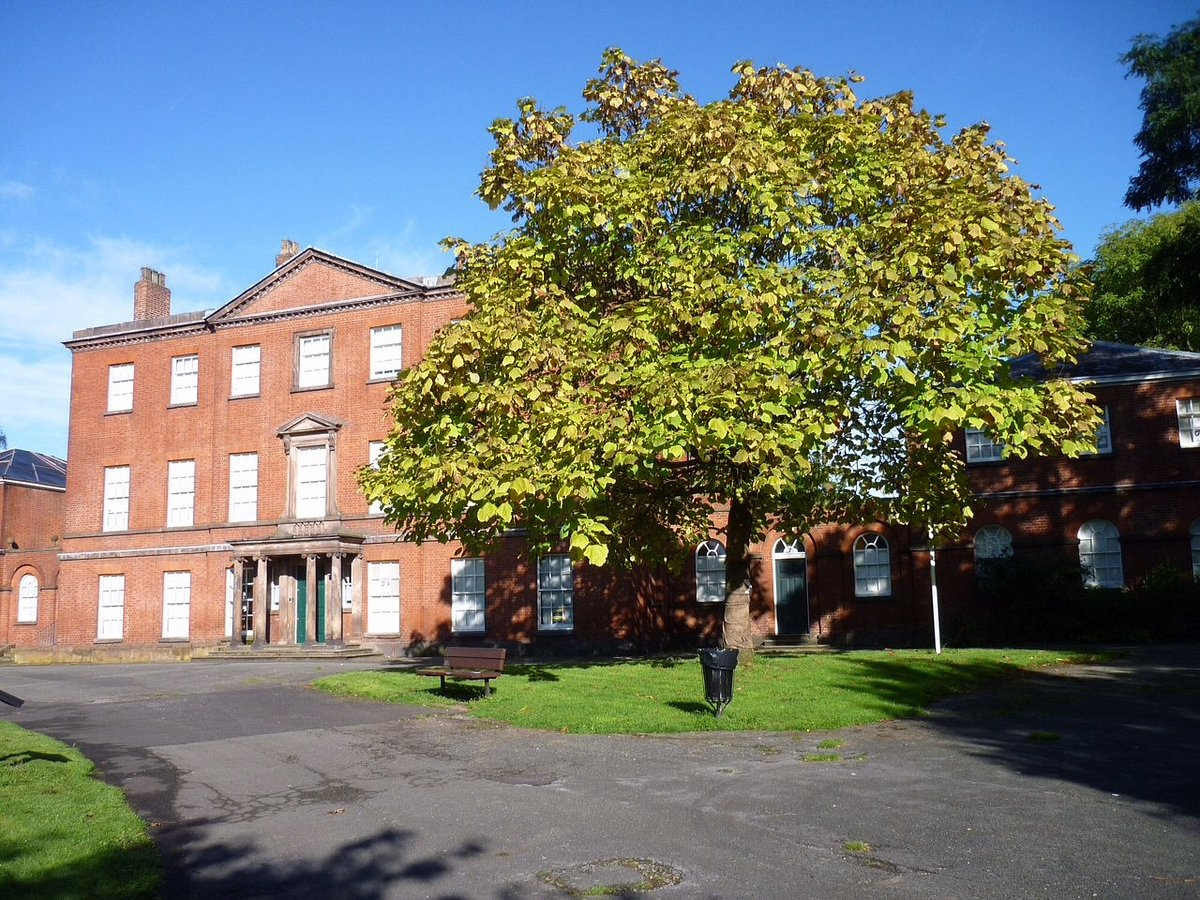
The origins of this area date back to 1150 when the lands of Platt were granted to the Knights Hospitaller by Matthew, the son of William. In 1225, the Platt family acquired the estate, holding it for nearly four centuries. By 1625, the land was transferred to the Worsley family, becoming a country estate known as Platt Hall. In 1768, William Emes landscaped the estate. The Worsley family retained ownership until 1907, and Platt Hall, their Georgian-style mansion built in 1764, remains one of the park’s central attractions. Today, it houses the Gallery of Costume, showcasing historic and contemporary fashion.
By the late 19th century, industrialisation and urbanisation highlighted the need for public green spaces in Manchester. Recognising the estate’s value, Manchester City Council purchased the land in 1907, transforming it into Platt Fields Park.
The park was officially opened in 1910, featuring newly constructed pathways, ornamental gardens, and open spaces for respite from urban life. It quickly became a hub for community events and celebrations, attracting visitors of all ages. Its unique atmosphere, blending nature with cultural heritage, established Platt Fields Park as a cherished recreational spot for decades to come.
Features and Continued Development
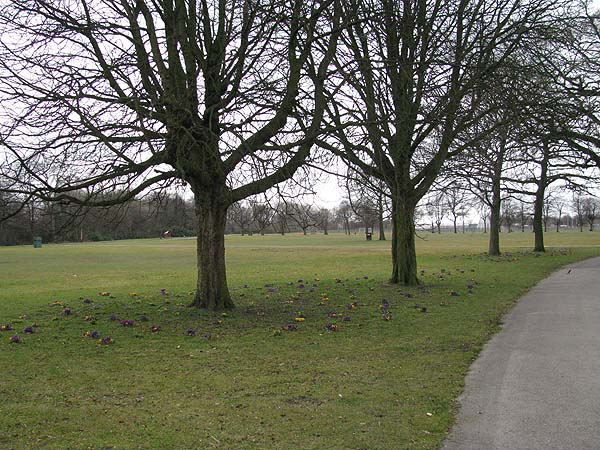
Platt Fields Park was designed to cater to a wide range of activities and interests. At its heart lies an artificial lake where residents enjoy fishing and boating. The park also features sports fields and courts for cricket, football, and tennis, providing ample opportunities for physical activity.
Families have long appreciated the park for its welcoming environment, which includes modernised playgrounds for children. The design of the park strikes a balance between urban architecture and natural landscapes, seamlessly integrating ornamental greenery with functional leisure areas.
Notable features include a variety of themed gardens, such as fern, rose, and heather gardens, as well as educational zones and the Eco Arts space near the boating pond. A Shakespearean Garden showcases plants mentioned in the playwright’s works, while the Queen Elizabeth Coronation Fountain, relocated from Piccadilly Gardens in 2002, is another highlight.
In the 21st century, recreational facilities have expanded to include a BMX track and the Platt Fields Bike Hub. The park hosts festivals, fairs, and community celebrations, offering amenities such as parking and restrooms for visitors.
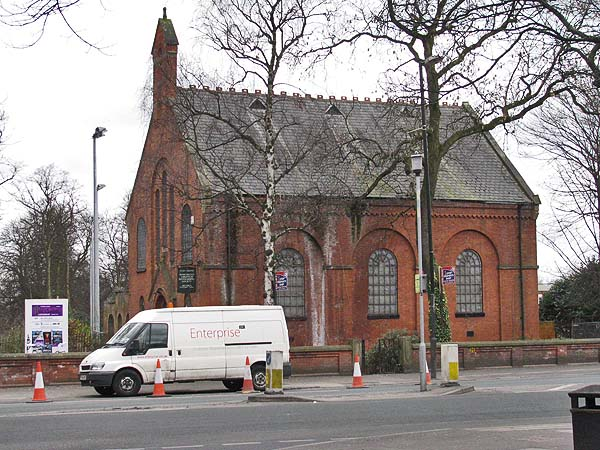
A unique feature of the park is the historic chapel on Wilmslow Road, south of Grangethorpe Road. Originally a family chapel for the Worsleys of Platt Hall, it was built in 1699 for Henry Finch and underwent major renovations in 1790 and 1874-1875. Once an independent congregation, it later became Unitarian and ceased regular worship services in 1970. Surrounded by the park, the chapel’s cemetery has gradually diminished as the area was redeveloped over the decades.
The park also benefits from the efforts of the Friends of Platt Fields, a non-profit organisation dedicated to preserving, improving, and developing the park. This group not only maintains the park but also engages local residents through events, improvement projects, and initiatives to safeguard its historical and ecological value.
The Development of Platt Fields Park
Since its establishment, Platt Fields Park has undergone numerous changes. Efforts have focused on both modernising the park and restoring its green spaces. Notable projects include the restoration of the artificial lake, a favourite spot for fishing and boating, with measures to improve water quality and biodiversity. Over the decades, community gardens have been enriched with new plantings, and sports and leisure facilities have been regularly updated to meet contemporary safety standards.
Platt Fields Park remains one of Manchester’s most popular and cherished green spaces, offering a peaceful natural retreat and a well-maintained environment. As Manchester continues to grow and evolve, Platt Fields Park stands as an essential part of the city’s identity.