

Greater Manchester is predominantly flat, with few hills or rocky terrains. However, it boasts its own highest point—Black Chew Head. Located on the border between Manchester and Derbyshire, Black Chew Head rises to 542 meters (1,778 feet) above sea level, making it the highest point in Greater Manchester. Situated within the Peak District National Park, this peak offers breathtaking views of the Manchester moors, vast skies, and distant hills. The untouched landscapes of the Peak District, visible from Black Chew Head, captivate visitors with their beauty. Next on manchestername.com.
History of the Area
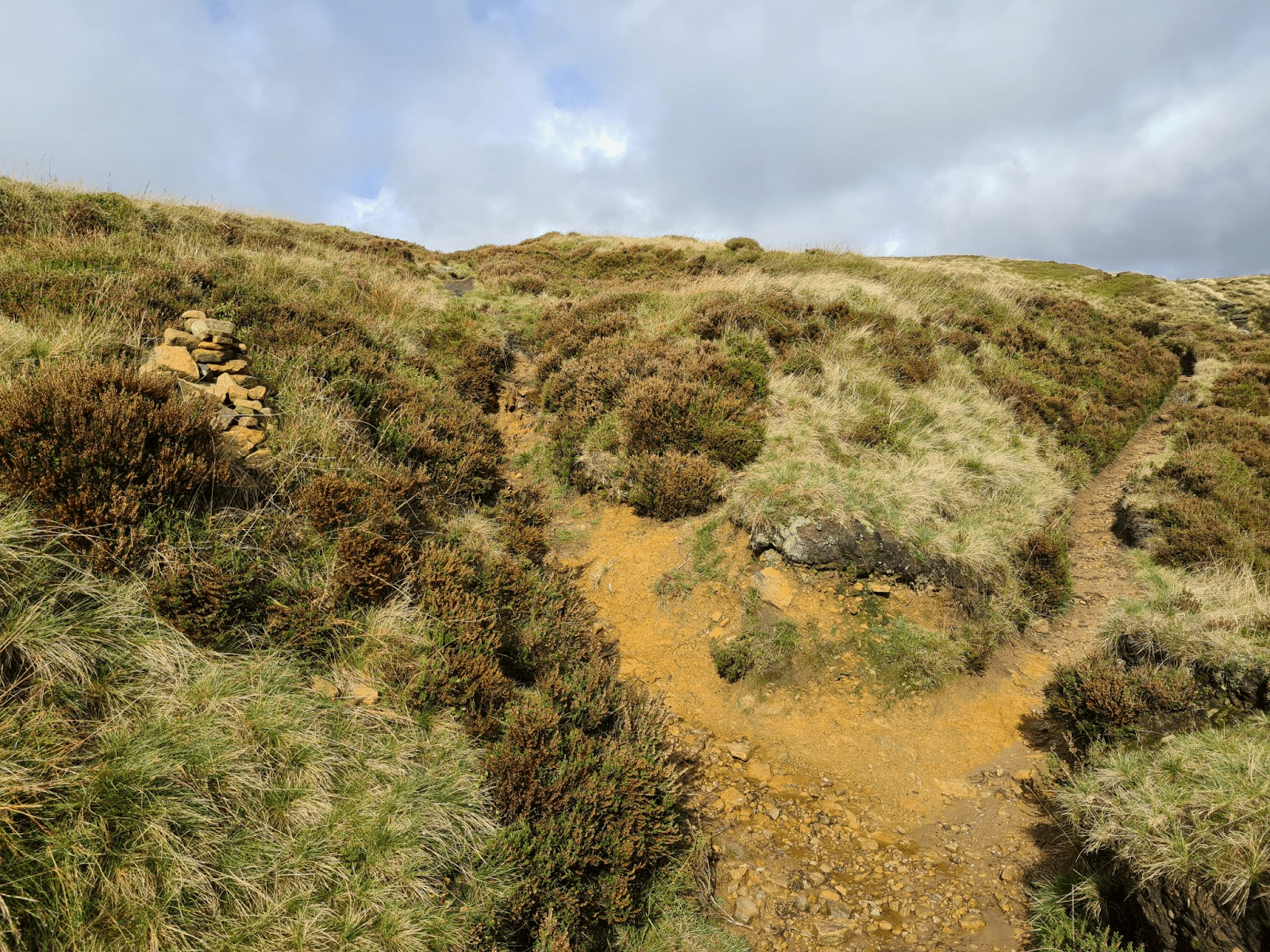
The hilly region of Manchester has a history of settlement dating back to the early Mesolithic period, as evidenced by flint artifacts and paleontological findings. The area saw active habitation during the Neolithic period, with the discovery of large earthworks and burial mounds. During the Bronze Age, the region thrived with agricultural activity, indicated by structures like the henge at Arbor Low near Youlgreave and the Nine Ladies stone circle in Stanton Moor. Later, hill forts such as Mam Tor emerged during the Bronze and Iron Ages.
During Roman times, the area was known for mining operations, particularly lead extraction near Buxton (then called “Aquae Arnemetiae”), renowned for its healing springs.
As a tourist destination, the Peak District began gaining popularity in the 17th century, thanks to Thomas Hobbes’ 1636 publication De Mirabilibus Pecci, one of the earliest tourist guides for the region. However, the Victorian era brought a significant surge in interest as railways made access to these natural wonders easier.
Location and Accessibility
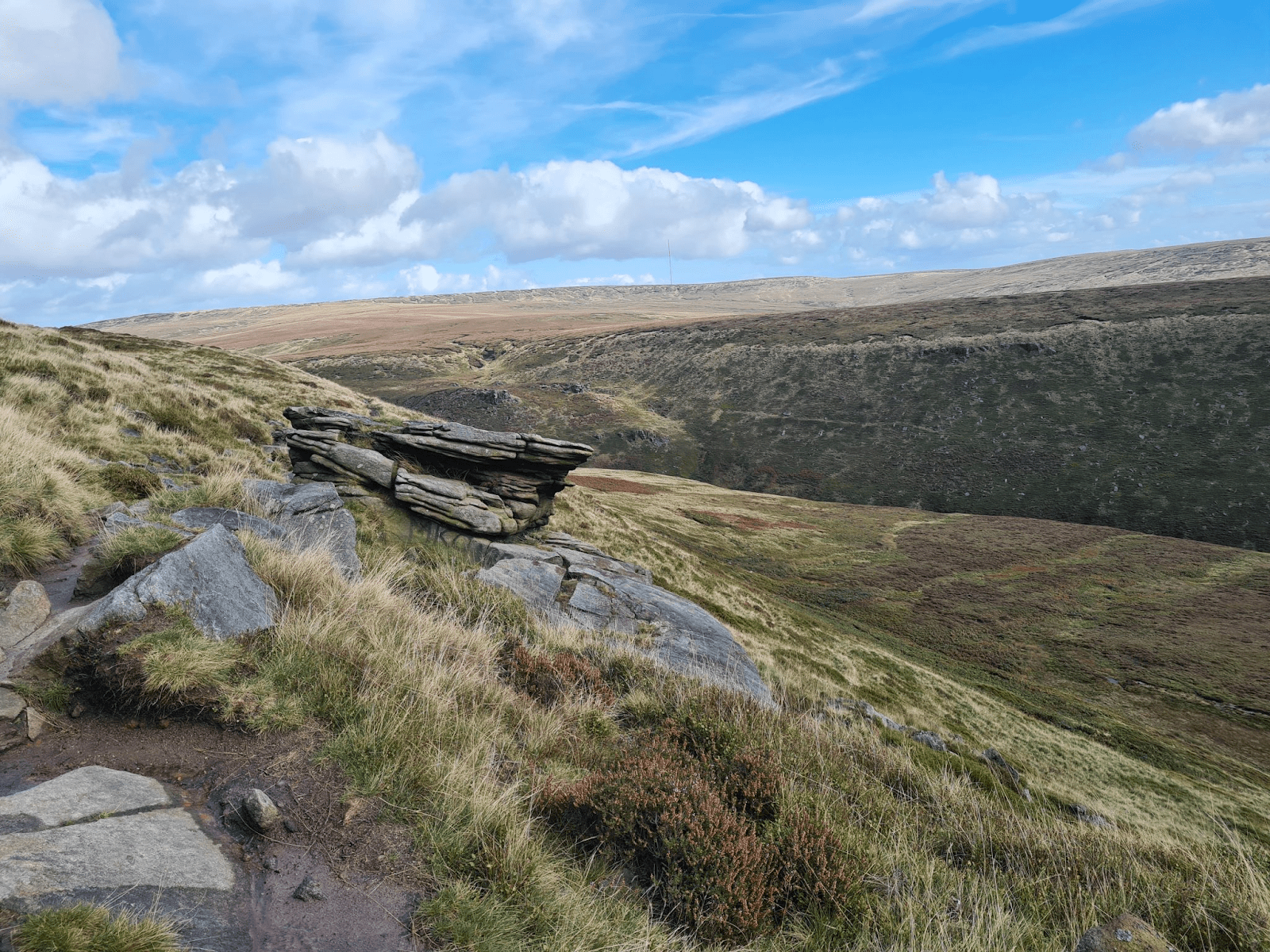
Black Chew Head is part of the Southern Pennines and lies within Oldham, making it the highest point in the Greater Manchester area. Its surrounding landscape is defined by boggy moorlands, rough grass, and heather, drawing hikers and outdoor enthusiasts who seek challenging routes.
The peak is a few miles north of Dovestone Reservoir, a popular starting point for nature lovers and outdoor adventurers. The Peak District’s extensive network of trails—over 2,900 kilometers (1,800 miles) long—includes paths for hiking, cycling, and horseback riding, along with camping spots. Notable trails include the Tissington Trail, High Peak Trail, and the 310-kilometer (190-mile) Peak District Boundary Walk, which encircles the national park.
Notable Features and Attractions
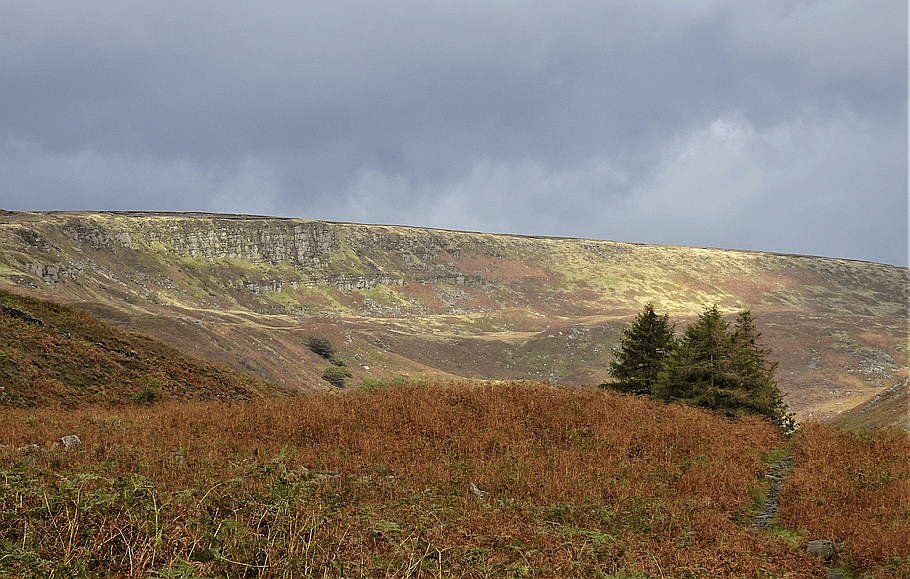
The moorlands surrounding Black Chew Head are rich in history and folklore, often associated with tales of shepherds, smugglers, and travelers. Despite its serene natural beauty, the area also holds a darker past, as it is near the site of the infamous child murders committed by Ian Brady and Myra Hindley in the 1960s.
Black Chew Head is located in a protected area dedicated to the preservation of peatlands, vital for carbon sequestration and home to unique flora and fauna. Visitors are encouraged to stick to marked trails to protect these delicate ecosystems.
The area also features repurposed old railway tracks converted into multi-use trails for cycling and walking, offering stunning views of the national park. Rental centers in Ashbourne, Parsley Hay, Middleton Top, the Upper Derwent Valley, and Hulme End provide bicycles for visitors. Many trails are wheelchair accessible, ensuring inclusivity.
For rock climbing enthusiasts, the sandstone cliffs of Stanage Edge and The Roaches offer world-class climbing routes, attracting climbers globally. The area also features caves, water bodies for sailing, fishing, and canoeing, as well as opportunities for paragliding, birdwatching, fell running, off-road driving, and orienteering.
While ascending the highest point in Greater Manchester, Black Chew Head, visitors can explore a variety of activities in the Peak District National Park, making it a destination for both adventure and tranquility.