

Manchester, known for its rich industrial history, played a pivotal role in the industrialization of the UK during the 18th, 19th, and 20th centuries. As a hub of cotton production, the city was nicknamed “Cottonopolis,” with its factories exporting cotton globally. However, this prosperity came at a cost, bringing numerous environmental and ecological challenges. Prolonged industrial activity significantly affected Manchester’s quality of life, making the creation and preservation of green spaces essential for biodiversity, mental health, recreation, and climate change mitigation. Next on manchestername.com.
The Role of Green Spaces in Industrial Manchester
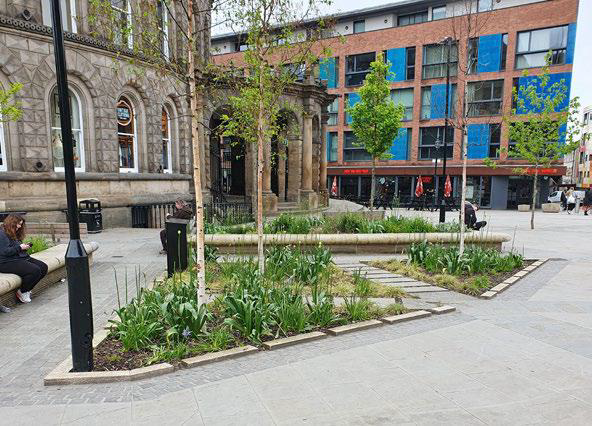
Green spaces hold immense value for industrial cities like Manchester. Parks, squares, and small urban forests help maintain ecological balance and enhance residents’ quality of life. Trees in these spaces absorb carbon dioxide, release oxygen, reduce air pollution, and diminish noise levels. They also contribute to cooling the microclimate, a crucial function in densely built areas.
In addition to environmental benefits, green zones positively impact mental and physical health, providing places for relaxation, exercise, and social interaction. They foster biodiversity by creating habitats for wildlife, including birds and insects. Thus, green spaces have been a priority in Manchester since the city’s industrial boom.
Prominent Green Spaces in Manchester
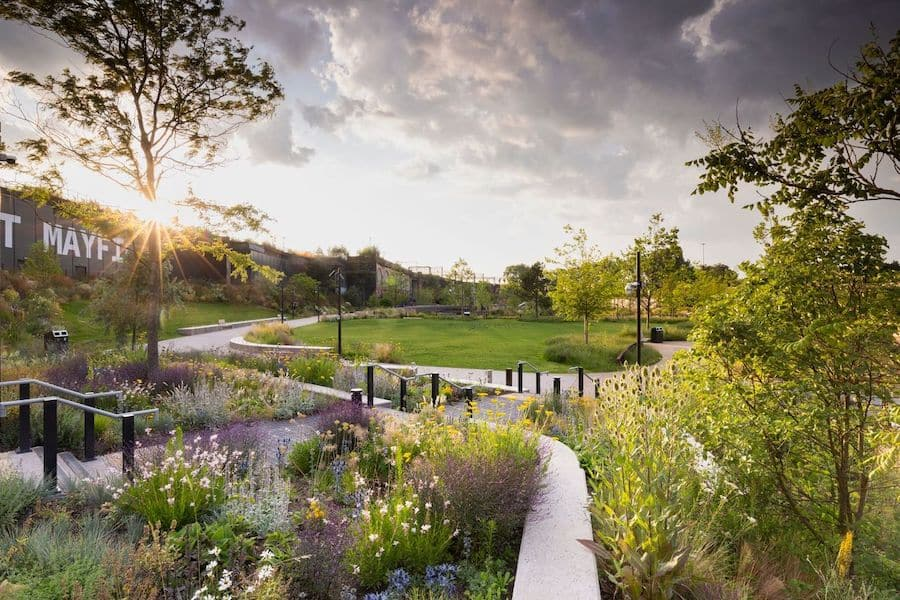
Although Manchester is often associated with industry, the city boasts a wealth of green oases in the 21st century. Many of these parks date back to the 18th century or earlier and were established through initiatives led by local philanthropists, municipal authorities, and gardening enthusiasts. Key green spaces in Manchester include:
- Heaton Park
- Alexandra Park
- Platt Fields Park
- Whitworth Park
- Fletcher Moss Botanical Garden
- Wythenshawe Park
- Chorlton Water Park
- Debdale Park
These areas serve as vital urban lungs, mitigating the heat island effect and providing refuge for wildlife. For generations, they have been cherished spots for leisure, sports, and quiet walks, offering residents a chance to connect with nature. For a city so deeply tied to the Industrial Revolution, preserving these green spaces reflects both Manchester’s ecological evolution and its commitment to a sustainable future.
Projects to Protect and Enhance Manchester’s Green Spaces
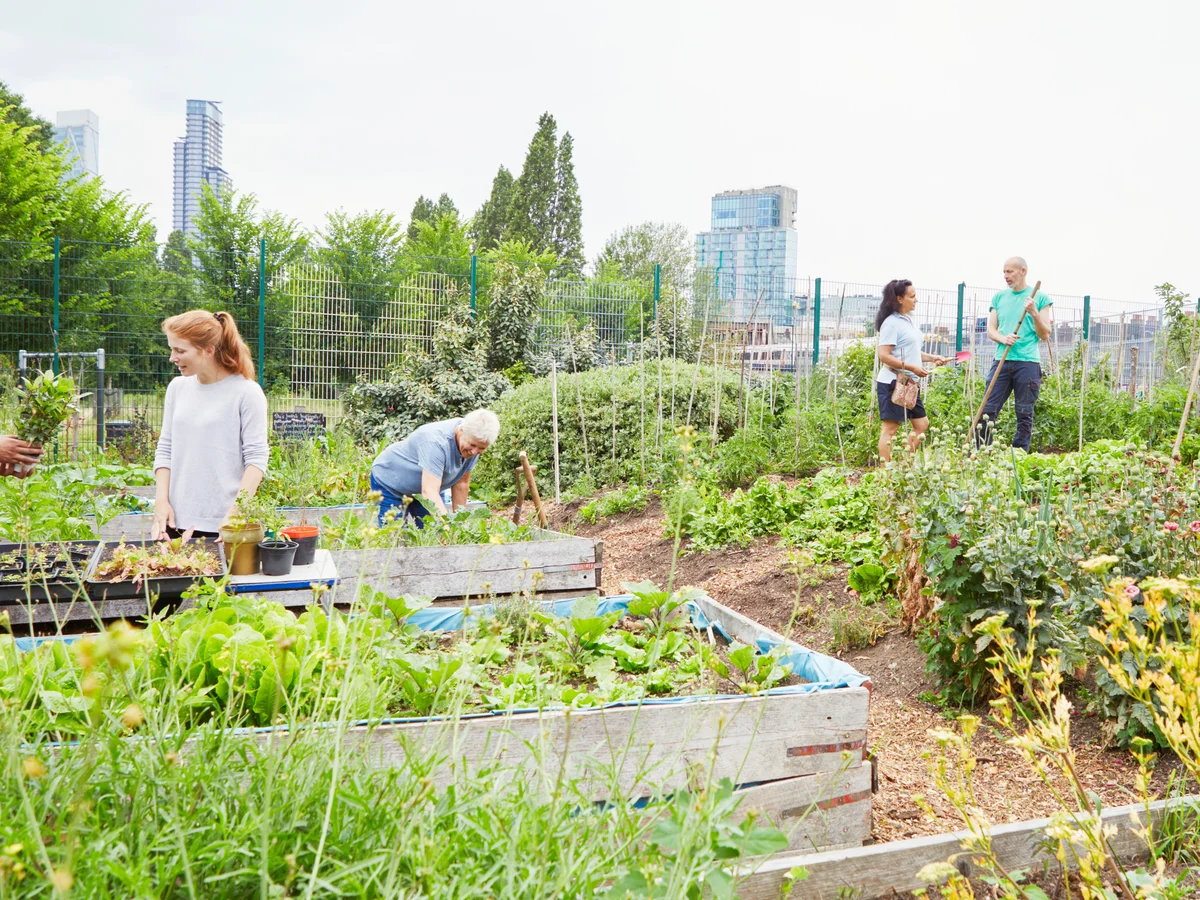
The environmental consequences of Manchester’s industrial past remain evident even in the 21st century, exacerbated by the growing impacts of climate change. As a result, initiatives aimed at protecting and enhancing green spaces have become increasingly important. Projects focused on tree planting, wetland restoration, and sustainable landscaping are at the forefront of Manchester’s efforts to become a greener, more resilient city.
The Manchester Green Fund is a key driver of these initiatives, providing funding for a range of community-led environmental projects. Examples of recent efforts include:
- “The Secret Garden” at Blackrod Primary School, Bolton: A community garden where volunteers help children and locals learn to grow food and support biodiversity.
- “Cleaner and Greener Canals” by Canal & River Trust: A project aimed at improving the condition of Manchester’s canals.
- “Brinnington Covid Memorial Gardens”: The transformation of a concrete area in Stockport into a memorial garden.
By the 2020s, the Green Fund was supporting over 100 projects across Manchester, empowering residents to improve their communities through green initiatives.
Community Involvement in Green Space Preservation
Manchester residents play a crucial role in preserving green spaces, participating in projects supported by organizations like the Manchester Green Spaces Fund. Community-driven efforts ensure that these spaces are maintained as essential resources for recreation, reflection, and social activities. They also serve as critical tools for combating the effects of industrial pollution and climate change, supporting wildlife, and creating a more sustainable urban environment.
Green spaces in Manchester are more than ecological assets—they represent a commitment to improving the quality of life for residents. These areas offer an escape from the hustle and bustle of city life, providing opportunities for community engagement and personal well-being. Through collaborative efforts, Manchester continues to champion the preservation and enhancement of its green spaces, ensuring a brighter, greener future for generations to come.