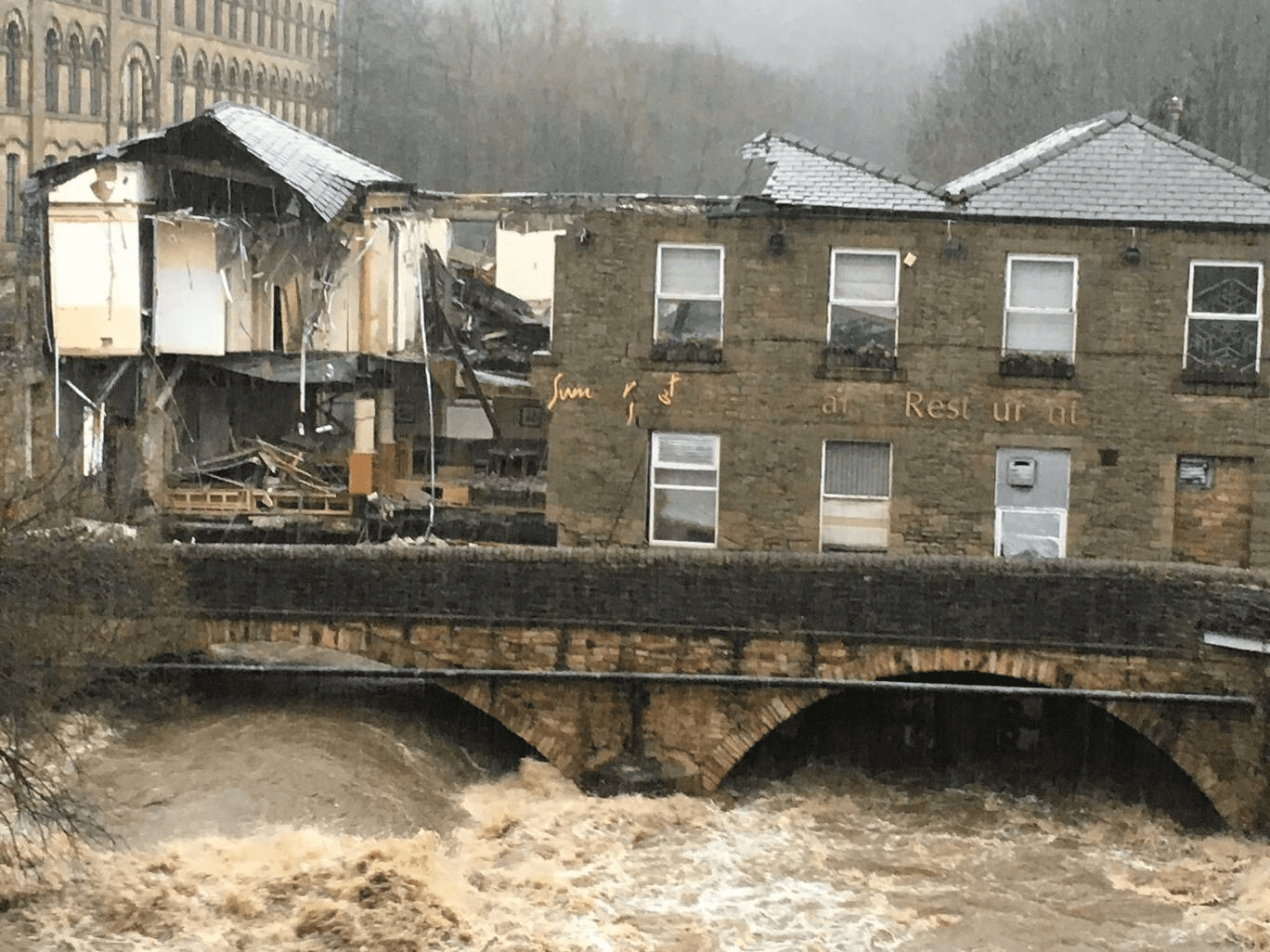
Global warming and significant climate change have impacted every corner of the planet, including the British city of Manchester. Known for its rich industrial heritage, Manchester now stands on the threshold of addressing climate challenges in the 21st century. Through the comprehensive Manchester Climate Change Programme for 2020–2025, the city aims to achieve net-zero carbon emissions by 2038. This ambitious goal underscores the pressing need to tackle environmental issues exacerbated by decades of industrial activity. Next on manchestername.com.
Unique Climate Characteristics of Manchester
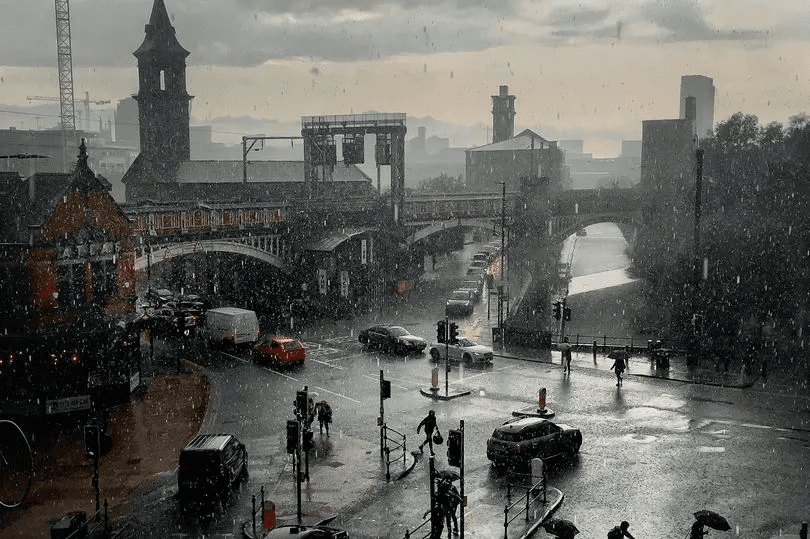
Manchester’s success as a hub for textile production in the 18th and 19th centuries was partly driven by its unique climate. The city’s abundant rainfall and high humidity created the perfect conditions for textile manufacturing. Moisture in the air prevented cotton fibres from breaking, enabling smoother production processes.
Factory owners went to great lengths to maintain the ideal level of atmospheric moisture. Methods included placing water pans beneath looms and spraying steam onto the floors. While these measures benefited textiles, they created unpleasant working conditions for labourers.
Additionally, Manchester’s frequent rains powered fast-flowing rivers, which in turn drove the machinery of early factories, such as Arkwright’s water frame.
Consequences of Industrial Activity
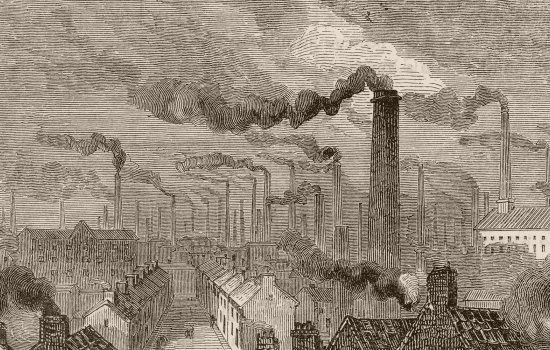
Manchester’s industrial boom came at a significant environmental cost. Alongside textile production, dyeing and bleaching industries flourished, requiring vast amounts of water from the city’s rivers. Unfortunately, many factories discharged their waste directly back into these waterways, often dyeing them shades of red, green, and purple.
As factories transitioned to coal power, greenhouse gas emissions increased significantly. Pollution from air, water, and waste management became ingrained in the city’s fabric. The environmental toll of rapid industrialisation led to severe challenges, including poor air quality. The city was frequently shrouded in smog, causing respiratory and other health issues among residents. Acid rain, another byproduct of industrial activity, leached essential nutrients from the soil and released toxic heavy metals such as lead and cadmium. Over time, these pollutants accumulated in the human body, leading to long-term health effects, including kidney and liver damage, neurological disorders, and even Alzheimer’s disease and cancer. Acid rain’s effects extended to future generations, with potential genetic disorders arising from prolonged exposure.
In addition to these historical issues, Manchester remains a rainy city in the 21st century, though the nature of its rainfall has changed. Heavy downpours now frequently flood streets and homes, underscoring the ongoing consequences of anthropogenic climate change.
Addressing Climate Change
For decades, no significant measures were taken to address Manchester’s environmental issues. However, in the 21st century, city authorities, environmental organisations, and residents united to combat climate change and improve local ecological conditions.
To mitigate the historical impact of climate change, the Manchester Climate Change Agency, in collaboration with the City Council, developed a detailed action plan. The Manchester Climate Change Programme for 2020–2025 outlines strategies to reduce carbon emissions across sectors such as energy, transport, construction, and waste management.
Renewable energy has become a primary focus in Manchester’s climate efforts. The city has invested heavily in solar and wind power projects, allocating significant resources to expand its renewable energy capacity. The goal is to reduce dependency on fossil fuels and achieve carbon neutrality by 2038.
Modernisation of urban infrastructure is another key area in Manchester’s climate battle. Enhancing the energy efficiency of buildings has become a priority. New construction projects adhere to stringent energy standards, aiming to minimise carbon emissions and create a more sustainable cityscape.
Despite recent progress, Manchester’s late start in addressing climate change presents challenges. The high costs of implementing large-scale projects and the constant need for technological innovation remain significant barriers. However, the city’s strategic approach offers a solid foundation to tackle climate challenges and address the long-term effects of its industrial past.
Manchester’s commitment to combating climate change is a testament to its resilience and vision for the future. By leveraging renewable energy and prioritising sustainability, the city not only addresses its historical environmental legacy but also sets a path toward a greener, more prosperous future.