

It is no secret that Manchester, once an industrial hub, faced significant environmental challenges due to decades of emissions from steam and coal-powered engines at factories and mills. These emissions left a long-lasting impact on the city’s environment and public health. Despite this grim legacy, Manchester was slow to transition to renewable energy sources. Let’s explore the historical journey, development, and prospects of alternative energy in this resilient city. Next on manchestername.com.
Historical Context of the Transition to Alternative Energy
Manchester’s industrial history has long been intertwined with coal dependency, which shaped the city’s economic growth while leaving a notable ecological footprint. However, even in earlier centuries, Manchester explored renewable energy solutions. Historic examples include the use of water mills and hydroelectric power. These efforts were significant for raising awareness about renewable energy and showcasing its potential.
The Rise of Clean Energy in Manchester
The urgency to shift to renewable energy became evident in the 21st century amidst increasing climate change emergencies. In 2019, Greater Manchester Combined Authority (GMCA) launched a five-year Environmental Plan outlining long-term goals for achieving net-zero carbon emissions by 2038. The plan included a list of immediate actions necessary to meet this target within the initial five-year period.
As part of the Environmental Plan, the innovative project “Unlocking Clean Energy in Greater Manchester” was initiated. This project introduced numerous renewable energy schemes across the city and region to meet net-zero carbon goals. The initiative is expected to contribute 22% of Manchester’s renewable energy production target set within the plan, marking a crucial step towards the city’s carbon-neutral ambitions by 2038.
The project was divided into two key components. The first focused on implementing renewable energy projects throughout Manchester, while the second developed strategies for future projects to rely less on grant funding. Since its launch in 2019, the project has brought 15 renewable energy facilities into operation, becoming a cornerstone of Manchester’s Environmental Plan.
One notable achievement was the installation of solar carports at the National Cycling Centre. These carports not only provide shelter for vehicles but also generate electricity through rooftop solar panels. Though a latecomer to renewable energy, Manchester has made steady progress in embracing sustainable energy practices.
Community Initiatives and Individual Contributions
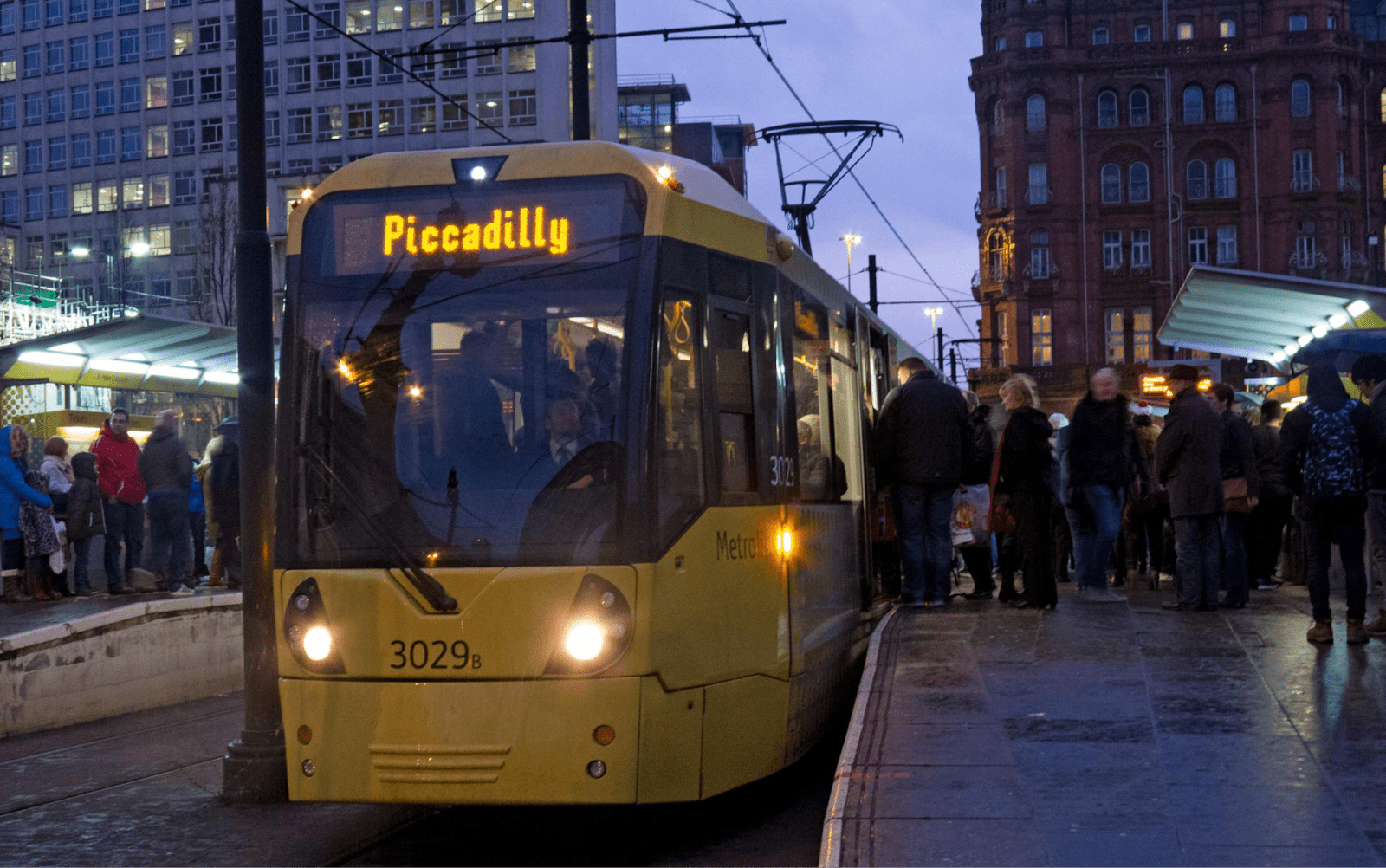
Manchester’s shift toward sustainability isn’t solely driven by municipal programs. Residents are actively reducing their carbon footprint through various measures. Many have embraced eco-friendly public transport, installed solar panels on their homes, and incorporated green technologies into new housing developments. These collective efforts highlight the community’s strong commitment to improving the city’s environmental health, which had been heavily affected by industrialization.
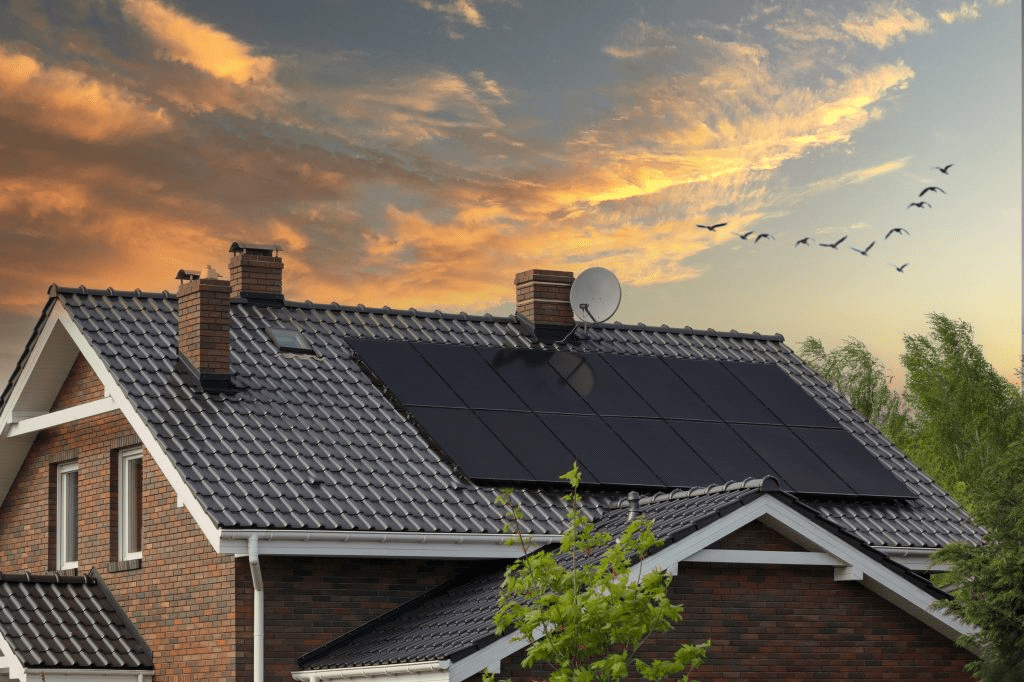
Solar energy has seen significant growth in Manchester during the 2020s. Solar panels are now commonplace on residential and commercial rooftops. The local government has introduced incentives such as subsidies and tax breaks to encourage their installation. Manchester even boasts a solar farm that, in 2022, supplied 65% of the University of Manchester’s energy needs.
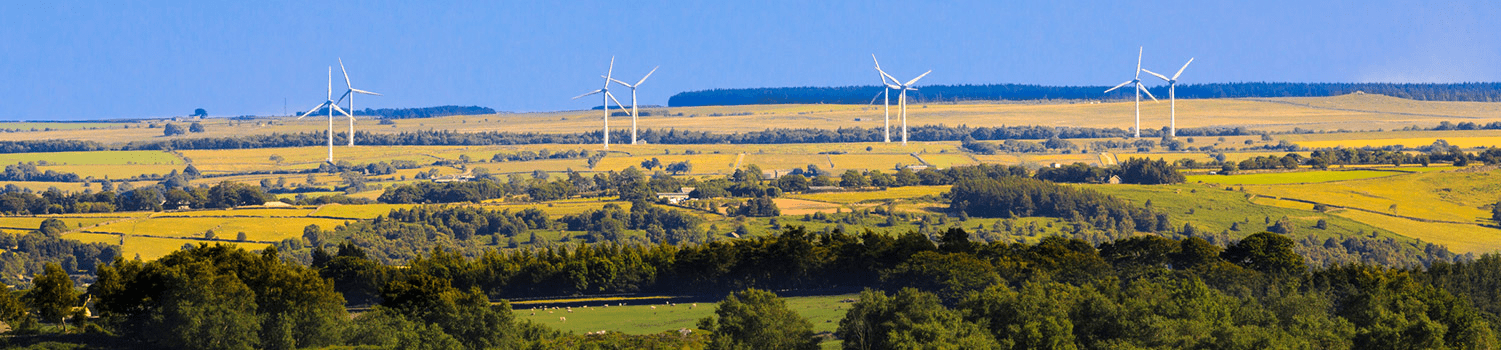
Meanwhile, wind power has played an important role in Manchester’s renewable energy strategy. Wind turbines installed in rural areas between 2005 and 2010 have become a vital part of the city’s clean energy efforts.
Hydropower projects also contribute to Manchester’s renewable energy mix, producing clean electricity. However, as of the 2020s, only 2.5% of the city’s energy comes from renewable sources. This underscores the need for further development to meet future sustainability goals.
A Vision for the Future
Despite its delayed transition to renewable energy, Manchester’s future in this sector looks promising. Several large-scale projects are currently in development and implementation phases, aiming to boost the city’s renewable energy output significantly.
Manchester’s commitment to alternative energy demonstrates its resilience and forward-thinking governance. By harnessing renewable energy, the city addresses its historical environmental challenges while paving the way for a sustainable and prosperous future. With ongoing innovation, strong community participation, and environmentally conscious policies, Manchester is on track to becoming a green city.