

Coal mining has been closely linked to the history of Manchester for many decades. It fuelled the rise of the city during the Industrial Revolution and shaped its economic and social spheres. Even though the local coal mines have long ceased to operate in the 21st century, their legacy remains an integral part of the city’s identity. Learn more about the history of mining in Manchester at manchestername.com.
Industrial boom
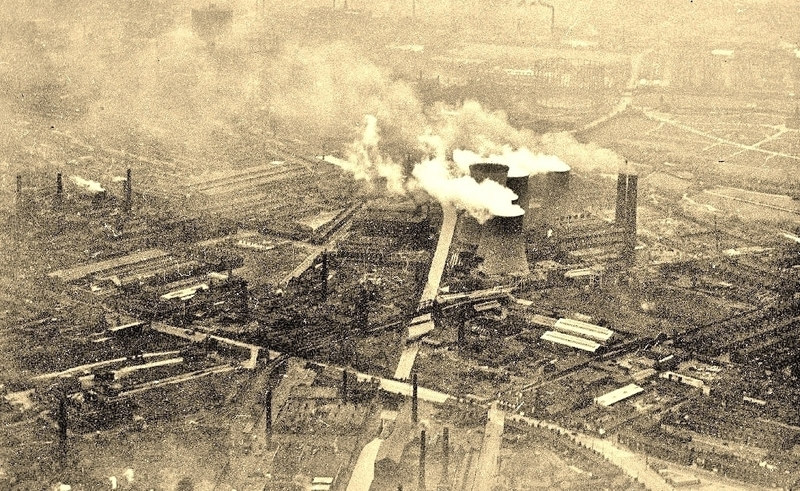
In the 18th and 19th centuries, Manchester transformed from a small town into a bustling industrial centre. The city developed thanks to its favourable conditions for cotton production. In particular, Manchester had a humid climate, which was quite helpful for the development of the textile industry. Therefore, the city acquired many factories and plants at that period. Such a boom made Manchester not only the main industrial city in Great Britain but also the world leader in the cotton industry. Manchester’s products supplied the whole world, which gave the city the name Cottonopolis.
Crucial role of coal for Manchester
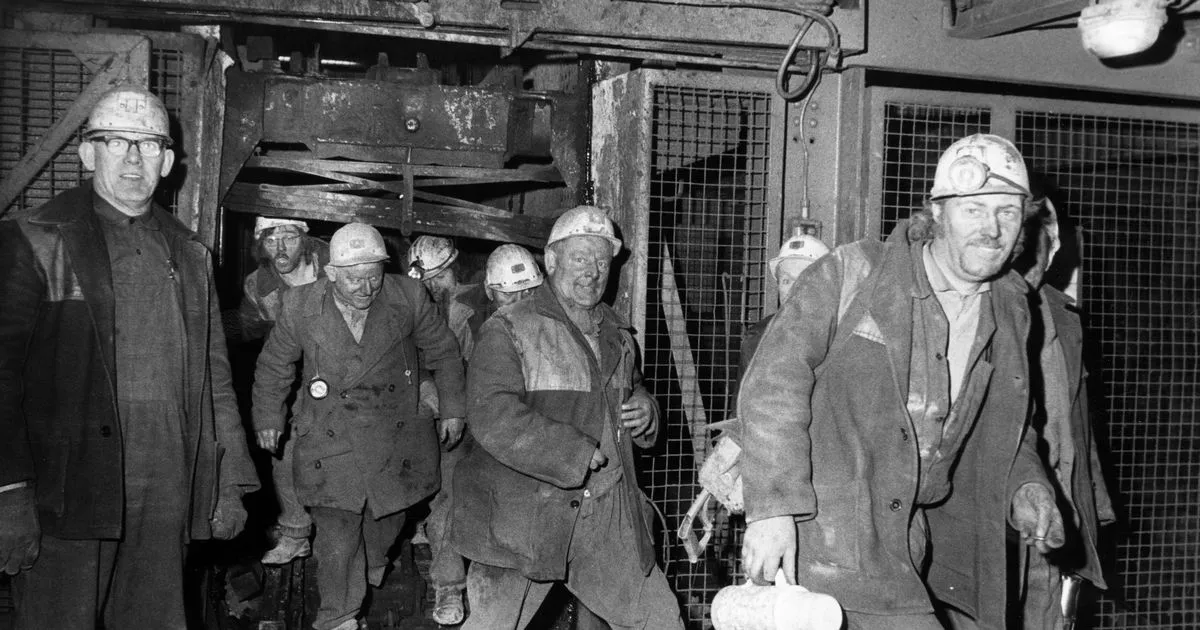
The city’s industrial metamorphosis of the 18th and 19th centuries was largely due to coal, which provided the energy for factories, transport and domestic needs. The city’s proximity to the Manchester Coalfield, a part of the larger South Lancashire Coalfield, made it a prime location for mining activities.
Some of Manchester’s easily accessible coal seams had been worked since the Middle Ages. However, industrial coal mining began in the region only in the early 19th century, during the Industrial Revolution, and continued until the end of the 20th century. The coal seams are located above layers of millstone grit and alternate with sandstones, mudstones, shales and fireclays. The highest coal deposits were located in the West Pennine Moors, above Bolton, but they were developed within the Manchester Coalfield.
The most productive were the middle coal seams, which were focused between the Worsley Four Foot and Arley mines. The deepest and most profitable mines were located in the southern part of the coalfield. Its geological structure was influenced by the Pendleton Fault, which ran along the Irwell Valley from northwest to southeast, as well as the Rossendale Anticline. In general, the coal deposits tend to dip to the south and west. They are further complicated by numerous faults. The upper layers of the Manchester coalfield haven’t been developed.
In the early stages, coal mining was carried out in areas with undersurface seams, for example, the Irwell Valley and Atherton. The first mines looked like adits or shallow shafts and exploited the Four Feet coal seam. With the development of the steam engine, the construction of deeper mines became possible, as they enabled efficient water pumping. Most of the mines located east of the Pendleton fault had closed by 1929. In the same year, a number of independent companies merged to form the Manchester Collieries aimed at joint development of the coal reserves in the region.
The eastern part of the Manchester Coalfield is isolated from the main deposits and has common characteristics with the Oldham Coalfield. The main developed seams were close to the surface. The coal extracted from the deep Roger mine was considered to be of the best quality. Above the Four Feet seam was the Parker mine seam, which belonged to the Bradford Group. Above those was another layer, the Ardwick Group.
The Bradford Group included the Two Foot, Doctor, New, Yard, Bradford Four Foot, Three Quarters and Charlotte mines. Above them, there was the Openshaw mine, which produced fireclay. Below the Parker mine were three main shafts: Top, Middle and Deep. 18 metres deeper was the Roger mine. These three shafts corresponded to the Major, Bland and Ashton Great mines of the Oldham Coalfield. In the western part of the deposit, the Crombouke mine corresponded to the deep Roger’s mine, located in the centre of Manchester.
The opening of the Bridgewater Canal in 1761 by the Duke of Bridgewater also played a crucial role in the coal extraction and supply. It facilitated the efficient transport of coal from the mines directly to Manchester, which reduced costs and accelerated industrial growth.
Mechanisation of coal mining
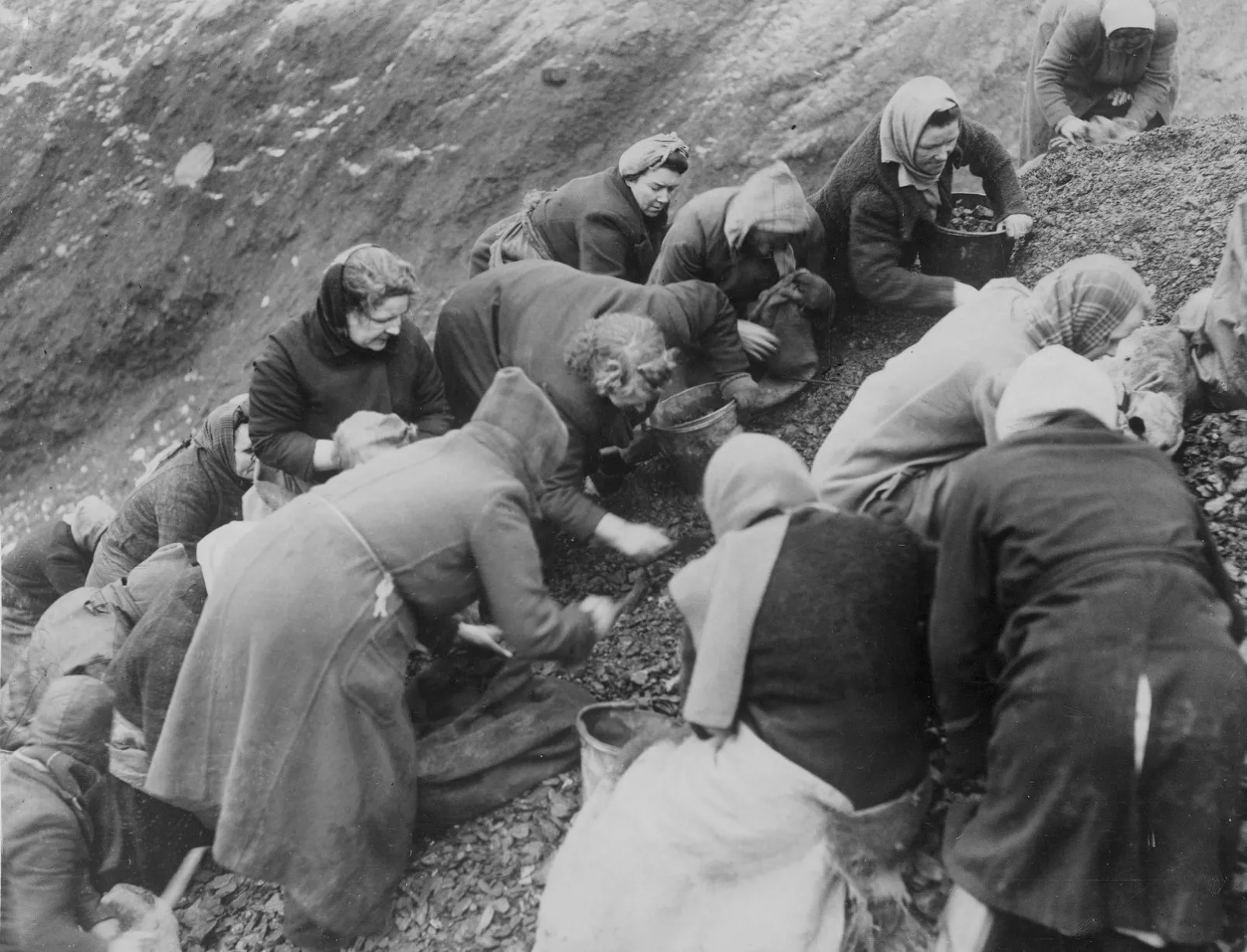
Initially, coal mining was a difficult manual process. However, by the early 20th century, such companies as the Manchester Collieries began to mechanise operations. Between 1929 and 1945, the percentage of machine coal mining increased from 17% to 98%, significantly raising productivity and changing the situation.
Still by the middle of the 20th century, coal mining in Manchester fell into decline and the trend swept across the country. It was caused by many factors, in particular, the depletion of easily accessible coal seams, economic problems and the massive transition to alternative energy sources. It significantly reduced dependence on coal and contributed to the closure of mines. The last of the deep coal mines in Manchester closed at the end of the 20th century.
In the 21st century, active coal mining is no longer a part of Manchester’s economy. The remnants of that era can be seen in museums, as almost nothing remains of the mines.