

Piccadilly Gardens is the perfect escape from the hustle and bustle of Manchester’s city life. This green space is situated in the city centre, just south of the Northern Quarter. It derives its name from nearby Piccadilly Street, which extends eastward from the Market Street intersection to the junction of London Road and Ducie Street.
Piccadilly Gardens first appeared on Manchester’s map of parks after World War I. Previously, the site housed the Manchester Royal Infirmary and a psychiatric hospital. Before that, it was occupied by water-filled clay pits, as reported by manchestername.com.
What Came Before the Gardens?
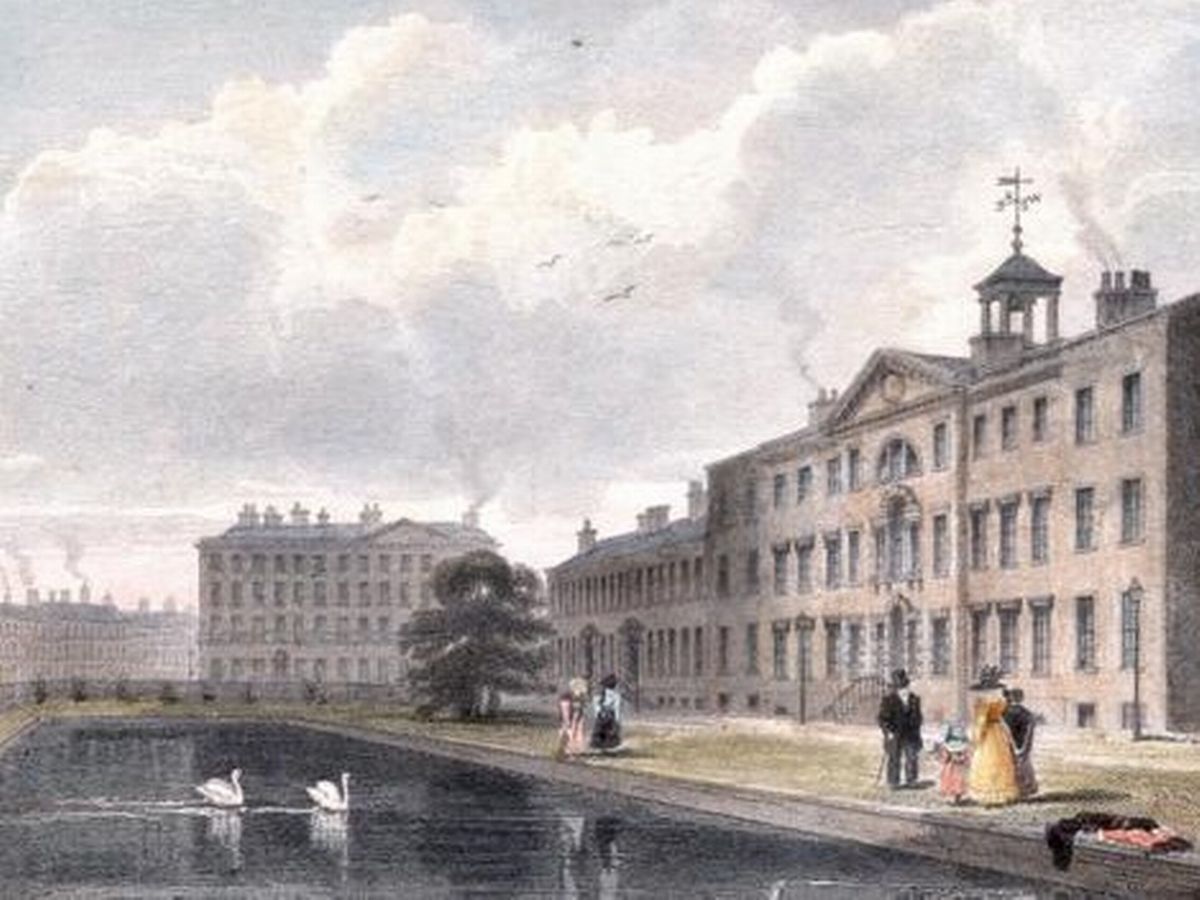
In the 1700s, the area where Piccadilly Gardens now stands was home to clay pits filled with water. During the Early Modern period, these pits were sometimes used as a grim location for punishing women accused of improper behaviour.
Around 1755, Lord Oswald Mosley, who owned the land, decided to transform the neglected pits into a decorative pond to enhance the area’s aesthetic appeal. He also allocated surrounding land for the construction of hospitals.
Soon after, the Manchester Royal Infirmary was established, co-founded by the renowned Manchester physician Charles White. In 1763, a psychiatric hospital was also built next to the infirmary.
At the time, the area around the hospitals was not particularly picturesque, though a fountain replaced the pond, adding a touch of charm.
In 1849, the psychiatric hospital relocated to the suburban village of Cheadle, and in 1908, the Royal Infirmary moved to Oxford Road. Both buildings were demolished in 1910, leaving only a small outpatient clinic that continued to provide care and dispense medication until the 1930s.
Following the demolition of the hospitals, debates ensued about what should replace them. Suggestions included an art gallery, a cathedral, or an opera house, but none of these plans came to fruition.
The Creation of the Gardens
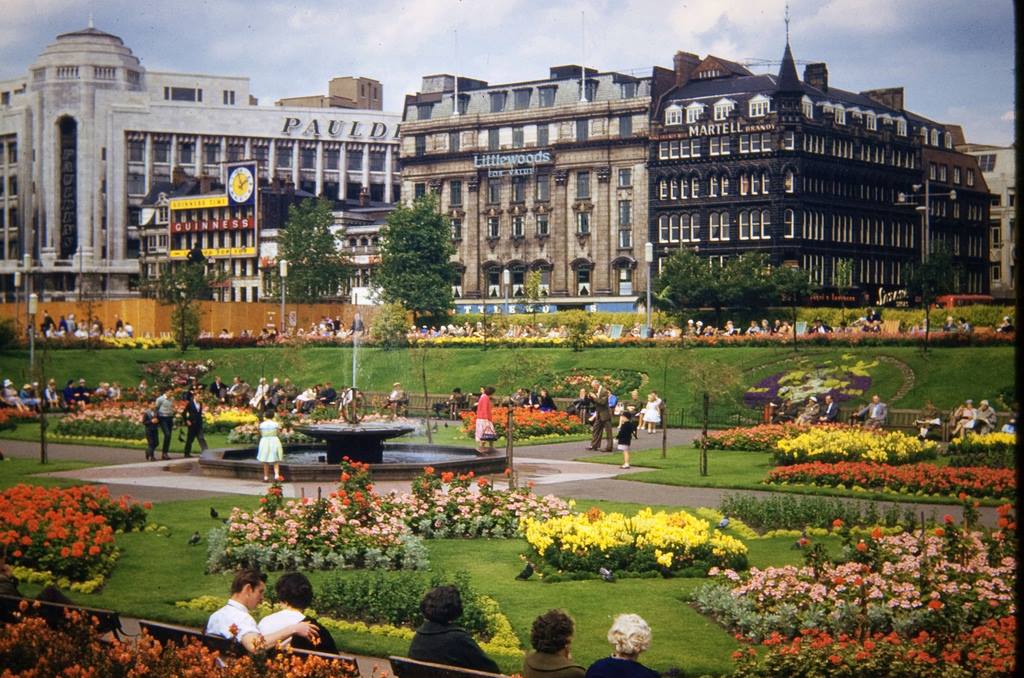
After World War I, it was decided to green the area and transform it into an urban oasis. Using the foundations and basement of the former hospital, sunken gardens were created. These were landscaped areas situated below the surrounding ground level.
Additionally, cherry trees were planted, and a rose garden was established. In the midst of blooming flower beds, visitors could enjoy a central fountain.
In 1931, a bus station was opened on the southern side of the gardens, making it easy for Manchester residents and visitors to reach the area via public transport.
Between 1959 and 1965, the nearby Piccadilly Plaza complex was constructed, featuring modern buildings, including a luxury hotel.
By the early 1990s, Piccadilly Gardens had lost its appeal. The area became a haven for alcoholics, drug users, and criminals, making it an unwelcoming space. Parents warned their children to avoid the area, despite its central location.
In the mid-1990s, Manchester City Council launched a competition to redesign Piccadilly Gardens. After the renovation, the sunken gardens were replaced with a grassy lawn and pathways. The lawn became a space for picnics and relaxation. The focal point of the redesign was a water feature comprising several fountains, complemented by newly planted small trees.
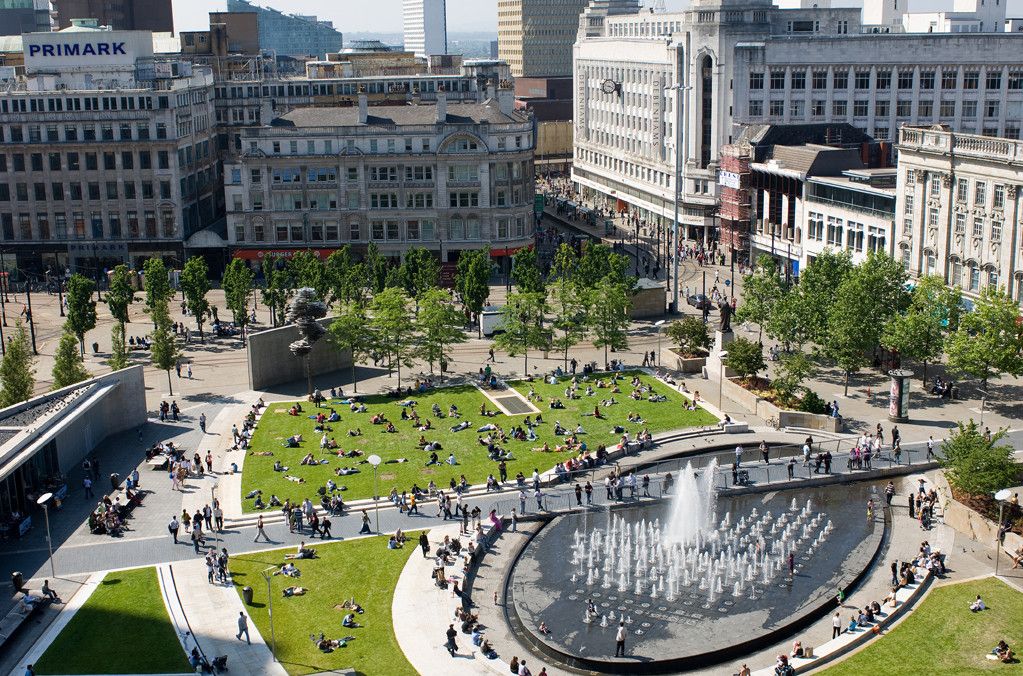
In the early 2000s, as part of the transformation, a modernist concrete pavilion was constructed on the southern edge of the gardens, near the bus and transport interchange. Designed by Japanese architect Tadao Ando, the structure served as a barrier between the bus station and the green space.
However, many Manchester residents criticised the pavilion, jokingly referring to it as the “Berlin Wall” and claiming it disrupted the urban landscape. In November 2020, part of Ando’s concrete wall was demolished in response to public demand.