

Manchester has always been at the forefront of innovation, especially during the 19th century, when the city embraced groundbreaking technologies in urban planning. Among these innovations was “Manchester Hydraulic Power,” a public hydraulic network that supplied energy across the city. Operating from 1894 to 1972, the system utilised high-pressure water mains powered by three pumping stations. This solution was not only innovative but also revolutionary, offering a cleaner and more compact alternative to steam engines, which were widely used at the time.
For decades, “Manchester Hydraulic Power” supplied energy to workshops, lifts in buildings and administrative offices, and industrial cranes. Additionally, it enabled uninterrupted operations on the city’s cotton mills. As manchestername.com. reports, the hydraulic network exemplified the industrial ingenuity of its time.
The Founding of “Manchester Hydraulic Power”
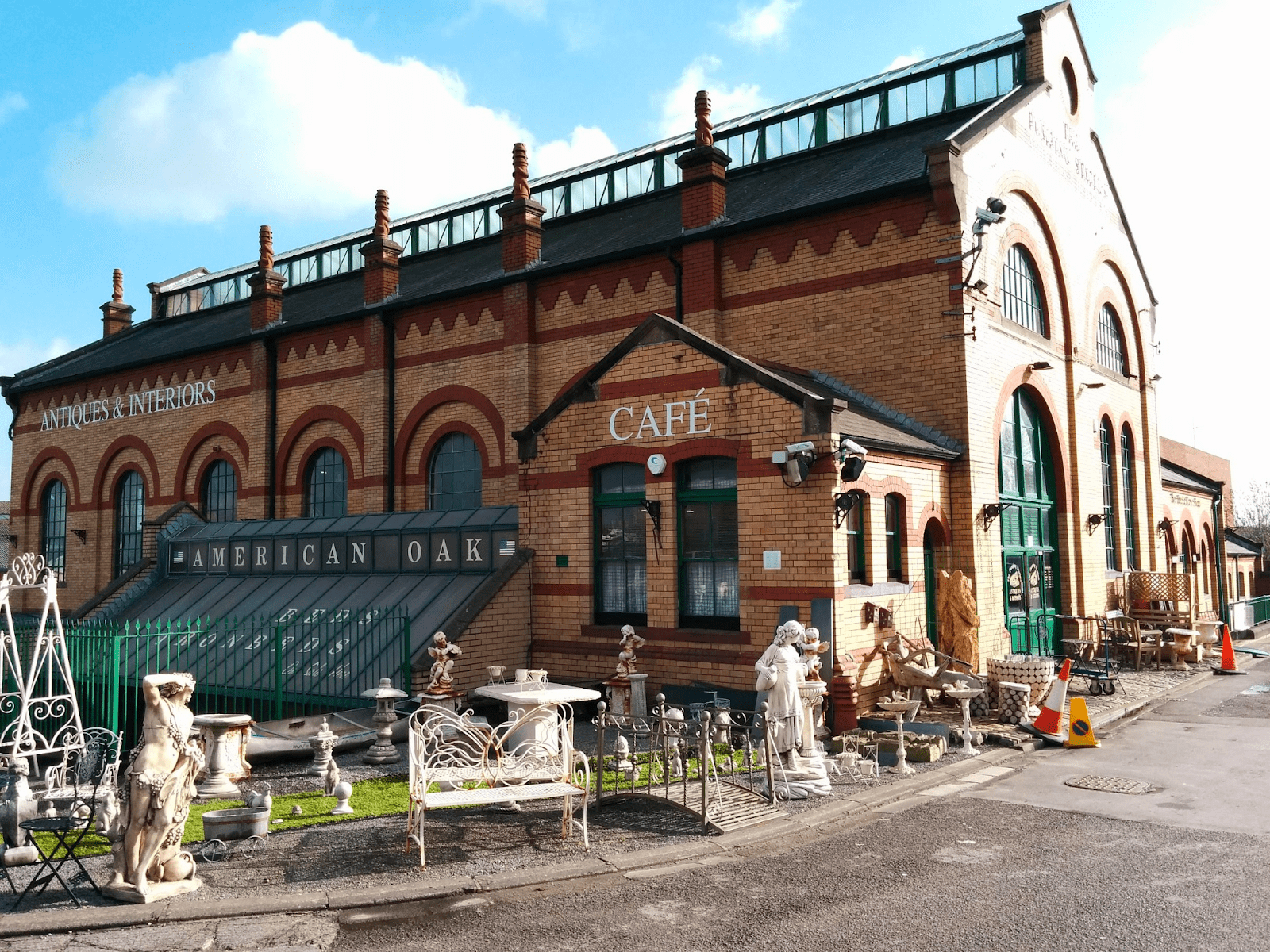
The history of “Manchester Hydraulic Power” began in the aftermath of the Industrial Revolution, during a period when Manchester was at the heart of the global textile industry. The proliferation of factories and mills across the city created an urgent need for a reliable and efficient energy source to power equipment and ensure smooth operations.
The origins of hydraulic power in Britain date back to 1812, when Joseph Bramah patented a high-pressure water distribution system using a circular main. In the 1840s, engineer William Armstrong developed and implemented the first hydraulic systems for individual clients. Later, Edward B. Ellington, a British engineer and hydrotechnician, founded the “General Hydraulic Power Company,” which brought the patented technology into widespread use in London. Its success prompted the Manchester Corporation to seek permission to establish a similar hydraulic energy distribution network in Manchester.
In the rapidly industrialising Manchester of the 19th century, the demand for reliable energy was exceptionally high, particularly in the city’s factories. Following an Act of Parliament in the 1890s, the Manchester Corporation began constructing hydraulic systems in the city. Equipment was supplied by Ellington’s London-based company, and the installation was completed by 1894. By 1895, 12 miles (19 km) of hydraulic pipes had been laid beneath Manchester’s streets, powering 247 industrial machines.
The demand for energy grew so rapidly that a second pumping station was launched in 1899.
How the Hydraulic System Worked
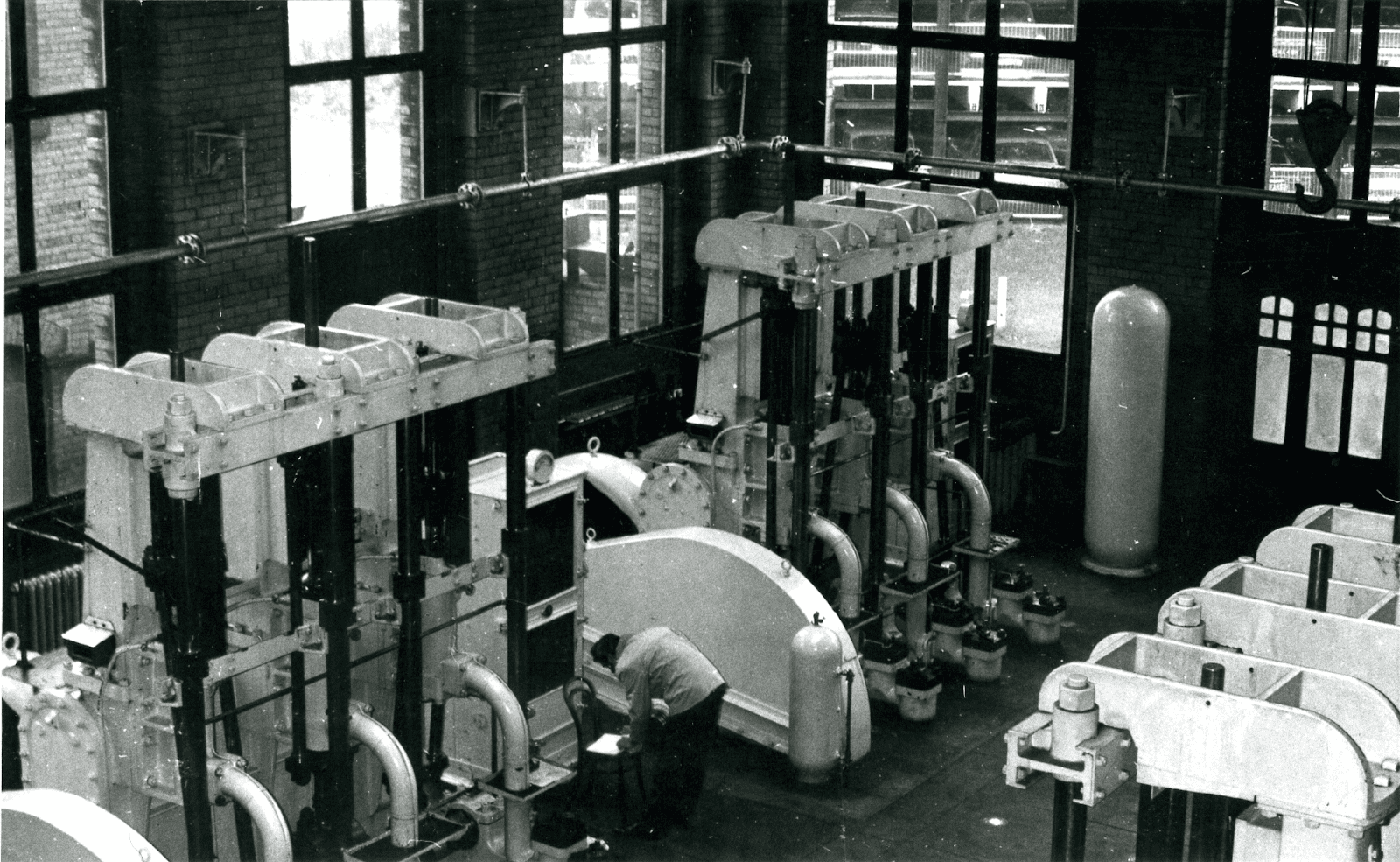
Hydraulic energy held immense potential in its time. The technology relied on water under pressure to transmit energy, a revolutionary solution for Manchester, where the need for uninterrupted energy supply was increasing daily.
Established in 1894, “Manchester Hydraulic Power” used the power of water to drive a network of hydraulic engines and turbines. This provided a clean, reliable, and economical alternative to steam power.
The system operated with remarkable simplicity and efficiency. Water from the city’s canals and rivers was redirected into a network of high-pressure pipes, which then supplied factories, mills, and workshops through a series of valves and regulators. On-site, the hydraulic energy powered machinery, lifts, and cranes, streamlining numerous processes.
The advantages of “Manchester Hydraulic Power” were numerous. Unlike steam engines, which required constant coal burning and emitted significant pollution, hydraulic energy was clean, quiet, and environmentally friendly. Moreover, hydraulic systems were more cost-effective, as they did not require expensive fuel or the frequent maintenance associated with steam-powered equipment.
The greatest strength of “Manchester Hydraulic Power” was its scalability. As energy demands increased and new factories were established, the company could easily expand its network to meet changing needs. This adaptability helped make Manchester a hub of British industrialisation, innovation, and economic progress.
Expansion and Closure of “Manchester Hydraulic Power”
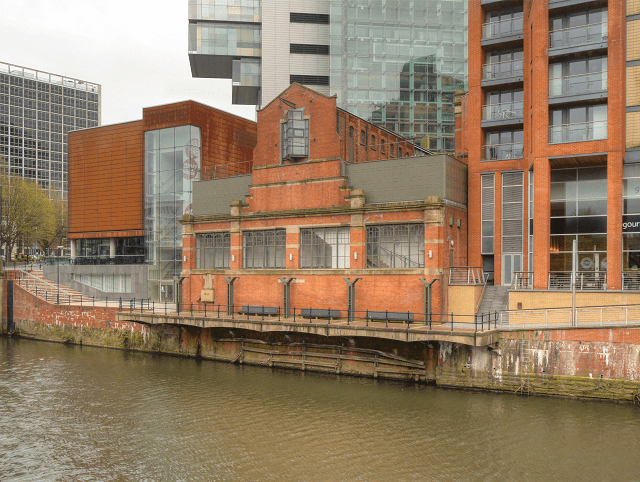
For many years, “Manchester Hydraulic Power” was a driving force behind the city’s economic progress. By 1909, the company opened a third pumping station to meet the ever-growing demand for energy.
However, the hydraulic network ceased operations in 1972. Advances in electrification brought newer, more efficient technologies, rendering hydraulic systems obsolete. After its closure, one of the stations was repurposed as a workshop for the City College. In 1992, the station was designated a Grade II listed building, and since 1994, it has been part of the People’s History Museum.