

The challenges posed by fossil fuel use, increasing transportation, and mass consumer culture have become critical issues for Manchester at the turn of the 20th and 21st centuries. This is especially pressing as the city recovers from the ecological aftermath of the Industrial Revolution of the 18th and 19th centuries. Concerned residents, organizations, and local authorities began exploring ways to address these issues. It became evident that everyone could contribute to improving the city’s environment by reevaluating their daily habits and routines to reduce carbon emissions. Here are some key eco-actions adopted by Manchester residents, which hold relevance for future generations. Next on manchestername.com.
Sustainable Nutrition and Transportation

Livestock farming is one of the largest contributors to greenhouse gas emissions. The production of meat involves transportation, packaging, and other carbon-intensive processes. Transitioning to plant-based diets or reducing meat and dairy consumption significantly impacts one’s carbon footprint.
Studies by Oxford University suggest that eliminating meat and dairy can reduce food-related greenhouse gas emissions by 73%. While a complete shift might not be feasible for everyone, choosing locally sourced products and reducing food waste are manageable steps.
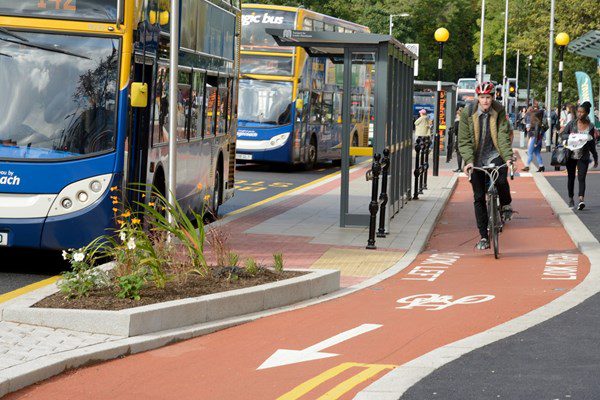
Transportation remains a major contributor to air pollution in Manchester, with an estimated 1,400 annual deaths linked to polluted air in Greater Manchester. Residents are encouraged to adopt eco-friendly practices such as walking, cycling, or using trains instead of planes whenever possible. Virtual meetings are also recommended as a substitute for business travel.
Reuse and Recycling Practices

Mass consumerism often leads to unnecessary waste and increased carbon footprints. Residents are encouraged to adopt mindful shopping habits, repair items instead of replacing them, and donate or recycle used goods. Websites like Restart help with repairing electronics, and platforms like Recycle for Greater Manchester guide residents on recycling options.
Fossil fuels such as coal and gas are primary contributors to global warming. Manchester is moving toward renewable energy sources like solar, wind, and water. Installing solar panels and improving home insulation can significantly reduce energy consumption and heating costs.
Expanding Green Spaces and Preserving Water Resources
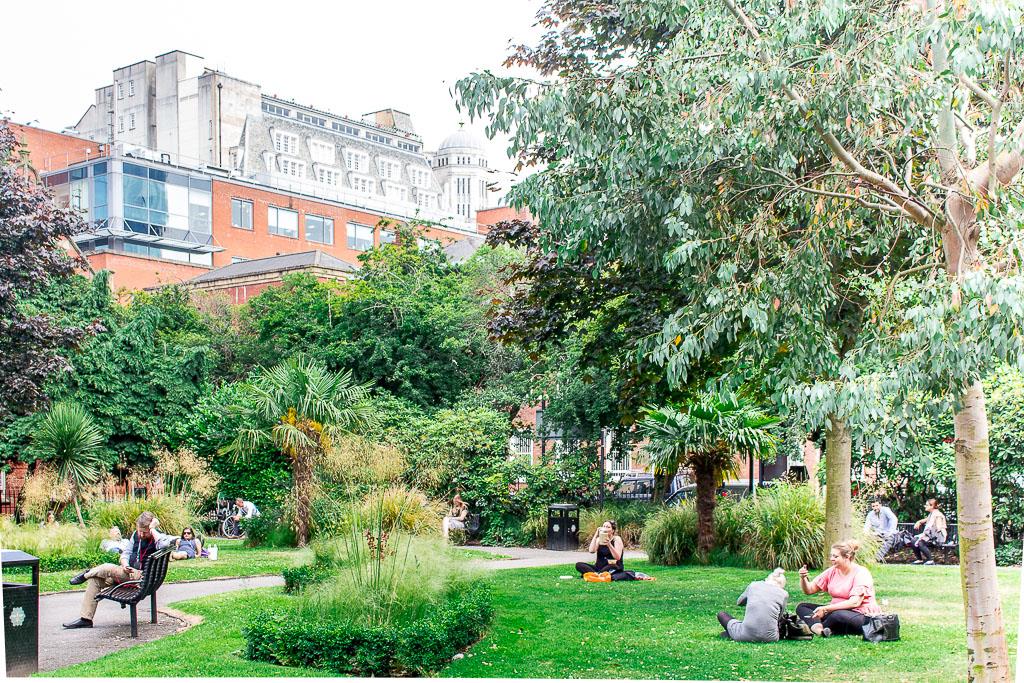
While Manchester boasts numerous parks and botanical gardens, additional green spaces are needed to counteract the city’s ecological burden. Initiatives like the “My Wild City” project reconnect residents with nature.
Simple practices such as turning off taps while brushing teeth, opting for showers over baths, and reusing water can help conserve freshwater resources. Such habits contribute to sustainable water use.
Carbon Literacy Education
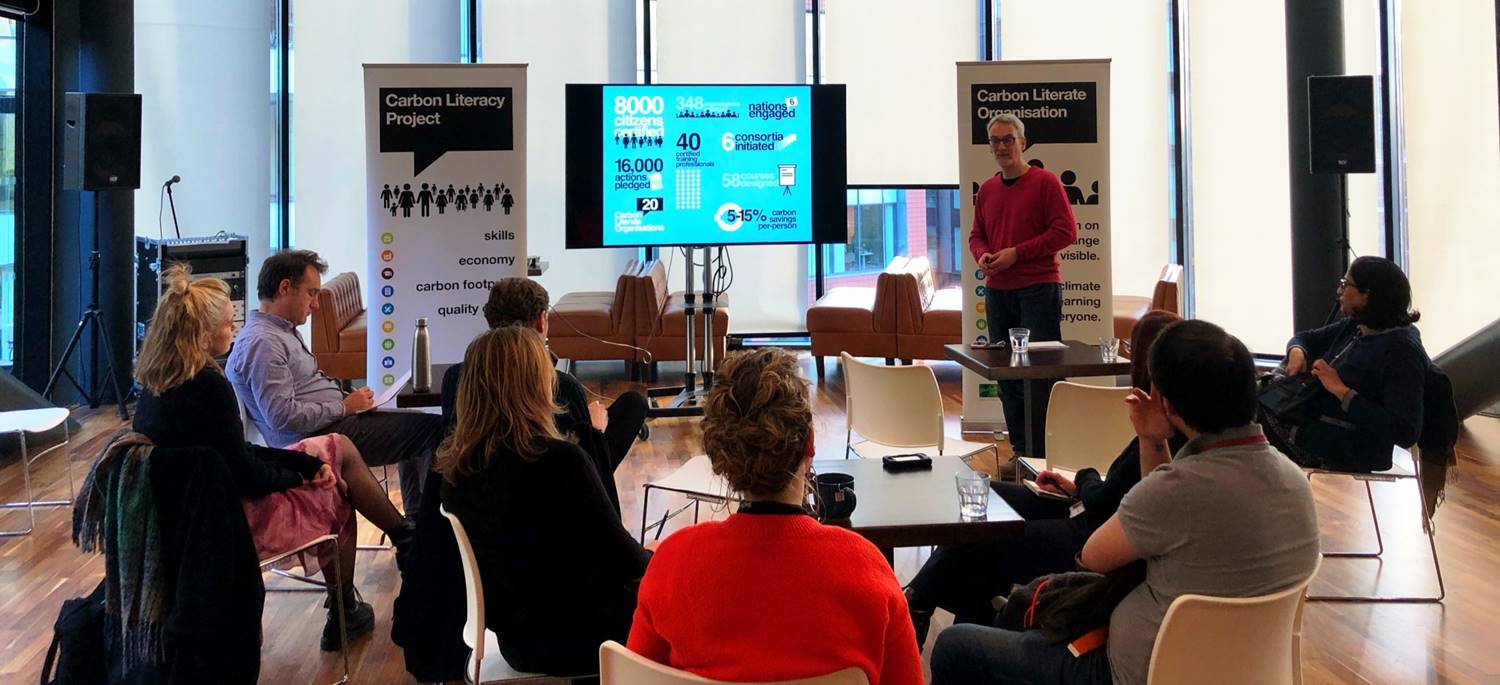
The Carbon Literacy Project offers Manchester residents training to understand and reduce their carbon footprints. Participants receive certification upon completing the program, equipping them with practical tools to adopt sustainable practices in daily life. The project targets both individuals and organizations, fostering a community committed to lowering emissions.