

Park · Manchester · ⭐ 9.5/10 · 3670 reviews · updated: 2026-08-04 20:23:01
Address: 18 Stenner Ln, Didsbury, Manchester M20 2RQ, United Kingdom
Fletcher Moss Botanical Gardens — the Didsbury rockery where the RSPB was born
Of all the green spaces in Manchester, this is the one with the strongest claim on world history. In 1889, in a house standing among these gardens, Emily Williamson founded the Society for the Protection of Birds because the all-male British Ornithologists’ Union would not have her as a member. That society became the RSPB. The gardens themselves came from her husband Robert’s obsession with alpine plants collected on European mountain holidays, passed to a Manchester alderman who gave them to the city, and today they run to some ninety acres of rock garden, ponds, heather, wildflower meadow, woodland and water meadow between the suburb and the River Mersey.
Highlights
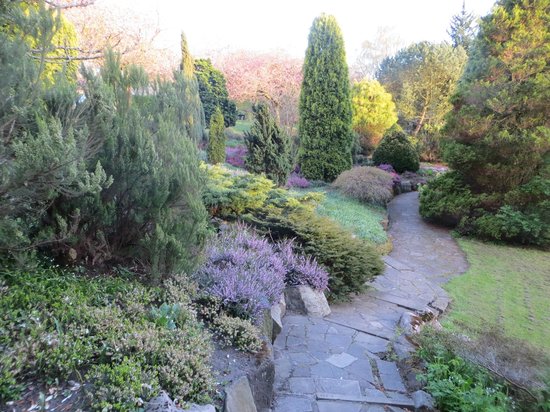
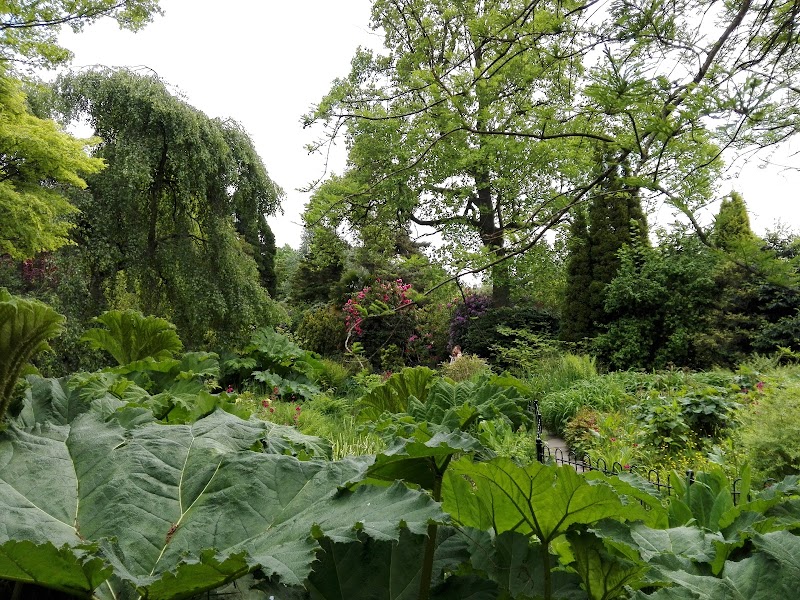
- The rock garden — the historic core, begun by Robert Williamson on a sheltered south-facing slope from 1882 with alpines gathered on his and Emily’s travels in the mountains of Europe, and still the most intensively planted part of the site.
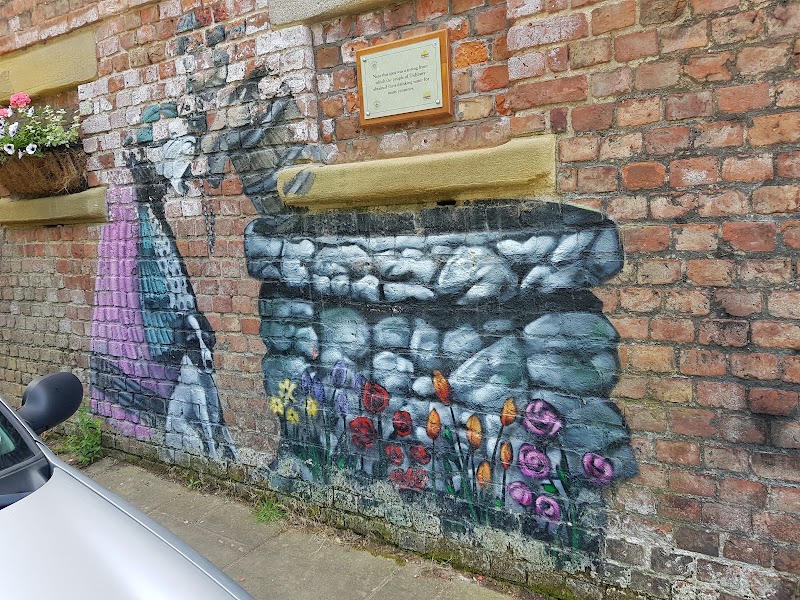
- The Emily Williamson statue — unveiled on 17 April 2023, the work of sculptor Eve Shepherd, showing birdlife emerging from the crinoline of Williamson’s Victorian gown; one of Manchester’s newest and most talked-about public artworks.
- The Old Parsonage and Parsonage Gardens — Fletcher Moss’s own home from 1865 until his death in 1919, its neo-Norman stone gateway topped by an eagle salvaged from the demolished Spread Eagle Hotel, an art gallery in the 1970s and a community centre and gallery again since 2012.
- Stenner Woods — partially flooded woodland occupying a former oxbow of the Mersey, a genuinely wild-feeling contrast to the ornamental gardens a few minutes away.
- Millgate Fields — slightly raised fields and woodland held inside a loop of the river, the quietest and least visited part of the whole park.
- The Alpine Tea Rooms — the family-run café that anchors a visit, sitting between the rockery and the sports ground.
What you’ll find
Fletcher Moss is really two places sharing a name. The upper part, around the Parsonage and the rock garden, is intensively gardened and small in scale — paths, steps, pools and planting packed tightly onto a slope. Below and beyond it the land opens into playing fields, meadow and floodplain woodland running down to the Mersey. Almost every visitor sees the first and only half of them ever reach the second, which is a mistake worth avoiding.
- The rockery and alpine terraces — steep, sheltered and planted for succession, at their most concentrated in late spring.
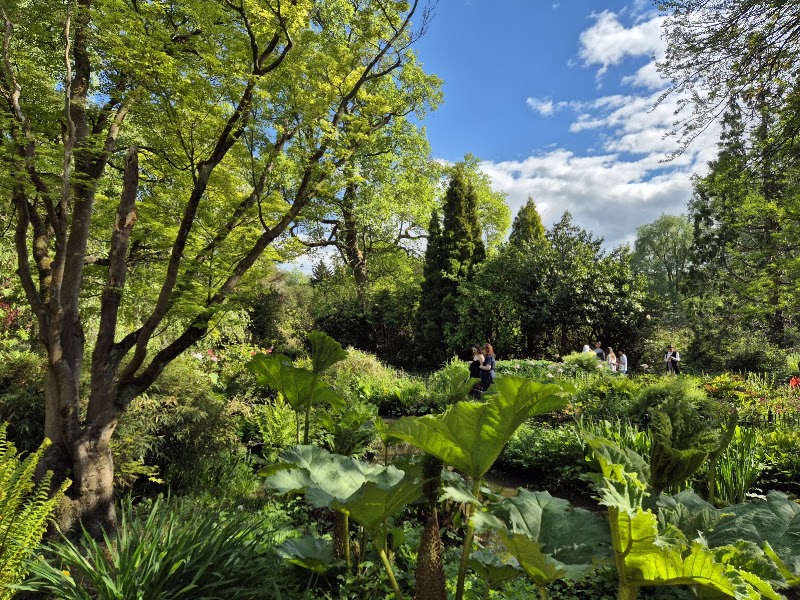
- Ornamental gardens — a rose pergola garden, a heather garden, ponds, a wellbeing garden and a wildflower meadow managed for pollinators.
- The Parsonage Gardens — the informal gardens around the Old Parsonage, with lime trees planted in 1830 among the oldest surviving planting on the site.
- Sport and open ground — tennis courts plus rugby and football pitches, and a weekly timed 5 km run using the park.
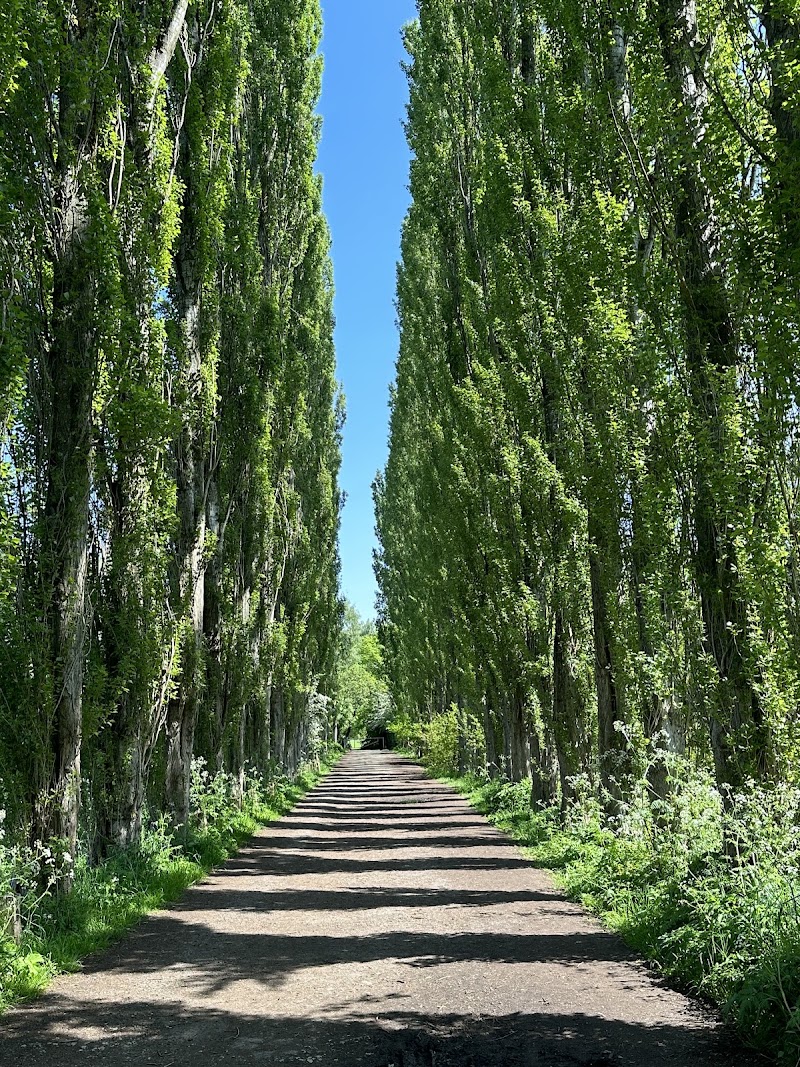
- Woodland and water meadow — Stenner Woods and the meadows towards the river, seasonally wet and rich in birds and fungi.
- Green Flag standing — the park has held the Green Flag Award, the national benchmark for parks in England, every year since 2000.
Things to do — and who it’s for
- Gardeners and plant people — the rockery is the reason to come; it is a genuine botanical collection rather than municipal bedding, and it rewards repeat visits across the seasons.
- Anyone interested in conservation history — this is where the RSPB started, and the Williamson statue makes that story visible rather than a footnote on a plaque.
- Families — flat playing fields, a café, and enough paths, steps and water to keep small children busy without a single piece of play equipment being needed.
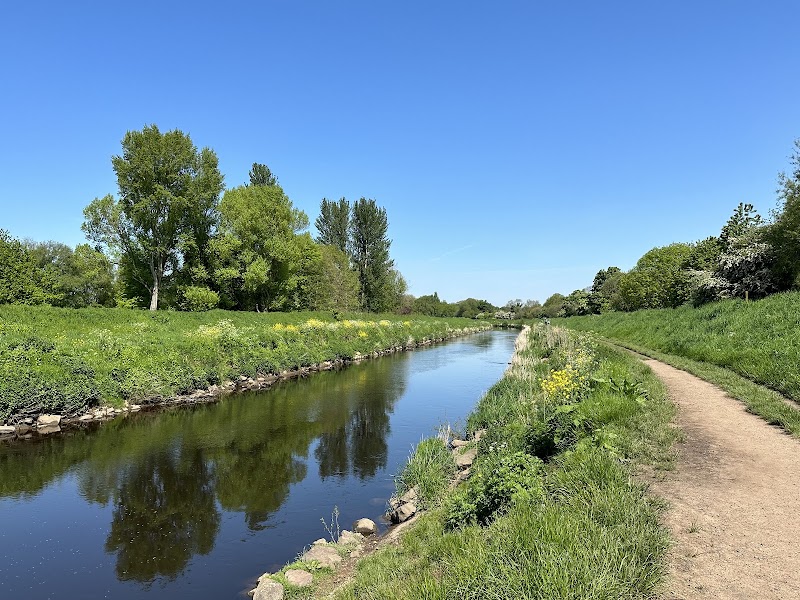
- Walkers and runners — the parkrun uses the site weekly, and the riverside and Stenner Woods extend an ornamental stroll into a real walk.
- Photographers — the combination of a steep planted rockery, still ponds and floodplain woodland gives an unusually wide range of subjects in a short distance.
- Birdwatchers — fittingly, the wet woodland and meadow support a strong resident and passage bird population, best worked in early morning.
Getting there & practical
The gardens sit in Didsbury, in the far south of the city, on ground running down to the River Mersey. Metrolink is the easiest approach: take the pink East Didsbury–Rochdale line to Didsbury Village or East Didsbury and walk from there, ten to twenty minutes depending on the stop. Frequent buses on the main southern corridor, including routes 42 and 142, run into Didsbury from the city centre. There is a car park serving the park, but it is small relative to demand and fills early on sunny weekends; the surrounding streets are residential and heavily restricted. Entry to the gardens is free and they are open daily through daylight hours; the café and the Old Parsonage keep their own, shorter opening times, and the Parsonage gallery programme is seasonal, so check before making a special journey. Allow an hour for the rockery and Parsonage Gardens alone, or two to three hours if you continue through Stenner Woods and Millgate Fields to the river. Note that the rockery is steep and stepped in places, which limits step-free access to its upper terraces.
When to visit
Spring is unarguably the peak: the rock garden performs exactly as an alpine collection should, with a fast succession of flowering through April and May, the azaleas and rhododendrons colour up, and the woodland floor comes through before the canopy closes. Summer moves the interest to the wildflower meadow and the pollinator planting, and the mature tree cover makes the whole site comfortable in heat, with the café terrace and playing fields at their busiest. Autumn is superb and underrated here — the sloping site and mixed planting turn colour at different rates, so the display is drawn out, and the wet woodland produces a serious fungi season. Winter reveals the bones of the rockery, its stonework and structure fully visible, while Stenner Woods and the water meadows flood in their historic pattern and the birdwatching gets easier as the leaves come down.
Good to know
The house at the centre of this story, The Croft, began life as Willow Bank, replacing a farmhouse held by the Bamford family; the Reverend Joseph Newton bought it in 1795, rebuilt it, renamed it and lived there until his death in 1852. In 1882 Robert and Emily Williamson moved in. Robert, an engineer who became a solicitor and an amateur anthropologist, started the rockery by planting alpines he and Emily had collected on repeated visits to the mountains of Europe. Emily’s contribution was rather larger. Refused membership of the all-male British Ornithologists’ Union, she founded the Society for the Protection of Birds at The Croft in 1889, in protest at the slaughter of birds for the plumage trade; the group she began as the Plumage League merged with others into a national society, and Emily served as Vice President for forty-five years until her death in 1936. That society is the RSPB. On 17 April 2023 a statue of her by the sculptor Eve Shepherd was unveiled in the gardens, birds emerging from the crinoline of her gown. The park’s other founding figure is Alderman Fletcher Moss, born in July 1843, who lived at the Old Parsonage from 1865 and who in 1912 bought the land surrounding The Croft and its rockery from Robert Williamson. In 1915 he gave four and a half acres to the people of Manchester, retaining the right to live there for his lifetime, and on his death in 1919 the remainder passed to the city, which named the park after him. Moss was a considerable local benefactor in other ways too: in 1915 he persuaded Andrew Carnegie to fund the building of a public library in Didsbury. The Old Parsonage retains its neo-Norman stone-arched gateway, topped with an eagle sculpture rescued from the demolished Spread Eagle Hotel, and lime trees planted in 1830; a weeping ash dating from the mid-1830s had to be removed in 2023 because of ash dieback. The Parsonage served as an art gallery in the 1970s and reopened in 2012 as a community centre and gallery. The historic orchid house collection is no longer here — it was relocated to Wythenshawe Park after the heating failed. Day-to-day care of the ornamental areas owes a great deal to volunteers: the Friends of Fletcher Moss Park were established in 2006 and took on hands-on work in the Parsonage Gardens from 2010, as council gardening staff were withdrawn. The park has held the Green Flag Award continuously since 2000.
Visitor tips
- Do the rockery early in the day. It is narrow, stepped and popular, and in spring the paths through the alpine terraces become single-file by mid-morning.
- Keep going past the gardens. Stenner Woods and Millgate Fields, in their loop of the river, are a completely different landscape and most visitors never see them.
- Wear proper footwear if you intend to reach the river. The water meadows are seasonally wet by design — that is what makes them ecologically valuable — and they do not dry out quickly.
Questions & answers
Was the RSPB really founded here? Yes. Emily Williamson founded the Society for the Protection of Birds in 1889 at The Croft, the house standing among these gardens, after being refused membership of the all-male British Ornithologists’ Union. That society became the RSPB, and she was its Vice President for forty-five years until her death in 1936.
Who was Fletcher Moss? An alderman of Manchester, born in July 1843, who lived at the Old Parsonage from 1865, bought the land around The Croft and its rockery in 1912, gave four and a half acres to the city in 1915 while keeping the right to live there, and left the rest to Manchester on his death in 1919.
Is entry free? Yes. The gardens are free and open daily during daylight hours. The café and the Old Parsonage keep their own shorter hours.
How big is the park? Around ninety acres, or thirty-six hectares, running from the ornamental gardens down through playing fields and woodland to the River Mersey.
What is the best time of year to see the rock garden? Late spring. The rockery was built as an alpine collection and flowers in fast succession through April and May, with azaleas and rhododendrons adding to it.
How do I get there by tram? Take the pink East Didsbury–Rochdale Metrolink line to Didsbury Village or East Didsbury; the gardens are a ten to twenty minute walk depending on the stop. Buses 42 and 142 also serve Didsbury from the city centre.
Where is the Emily Williamson statue? In the gardens, unveiled on 17 April 2023. It is by the sculptor Eve Shepherd and shows birds emerging from the crinoline of Williamson’s Victorian gown.
Is there a café? Yes — the family-run Alpine Tea Rooms sit within the park, between the rockery and the sports ground, with their own opening hours.
Is it accessible for wheelchairs and pushchairs? Partly. The lower ground, the Parsonage Gardens and the playing-field paths are manageable, but the rockery is built on a steep slope with steps, so its upper terraces are not step-free.
Can I see the orchid house? No — that collection was moved to Wythenshawe Park after the heating failed, and it is no longer part of Fletcher Moss.
Photos
Show 1 more photos
Visitor reviews
Reviews last updated: 2026-08-04 20:23:01
Data is refreshed monthly. Sources: manchestername.com and editorial picks based on reviews.
What a wonderful garden, well worth a visit. A great little find. It is well looked after by volunteers. Very lovely. There is also a pretty little coffee shop at the top.
A small botanical garden but pretty,when enter a tennis court in the left,a cafe just after with plenty of lights around, didn't use. Viewed from upstairs,lots of different plants . Went down started to walk around, don…
This is a wonderful park, lovely gardens which are well looked after, amazing plants and plenty of resting spots where you can sit, relax and admire the gardens.
My favourite walk in the area, very peaceful early morning but gets busy by late morning.
Plenty of birds to be heard and seen singing away and always nice to hear Woodpeckers tapping away at the tops of trees.
I have been here many times and can say that this is one of the loveliest gardens Manchester has to offer. A huge green space with scenic walks and a relaxing atmosphere. Plenty of breathtaking views and greenery through…