

The problem of water pollution affects not only Manchester and the Greater Manchester area but also the entirety of Britain. During the Industrial Revolution, the UK was dubbed the “workshop of the world” due to its pioneering role in industrial and manufacturing advancements. While this era brought economic, social, and political benefits, it also left a lasting legacy of environmental challenges, particularly air and water pollution. Next on manchestername.com.
Manchester, the heart of the 19th-century industrial boom, bore the brunt of these consequences. The city’s rivers faced significant challenges due to the demands of industrialization.
Effects of the Industrial Revolution in the 19th Century
The Industrial Revolution began in Manchester and its surrounding towns in the late 18th century, fueled by a humid climate, an abundance of rivers, and strategic location. Early industrialists constructed water mills along rivers to harness hydropower for production. The introduction of steam engines further accelerated industrial growth, driving both textile and chemical industries, the latter of which relied heavily on water.
Rivers like the Mersey and Irwell were heavily polluted due to industrial runoff. Many fish species that once thrived in these rivers vanished, and the waterways were declared biologically dead. By the 1970s, the water quality in these rivers was among the worst in the country.
The 21st Century Threat: Plastic Pollution
In the mid-1980s, a cleanup campaign led by then-Environment Minister Michael Heseltine revitalized the Mersey River Basin. Salmon, trout, and even otters reappeared in the waters. The River Tame also showed signs of recovery; in December 2017, a salmon was caught there for the first time in a century.
Despite these improvements, plastic pollution emerged as a new and significant threat to Manchester’s waterways in the 21st century. Microplastics, invisible to the naked eye, accumulate in vast quantities in the world’s water bodies.
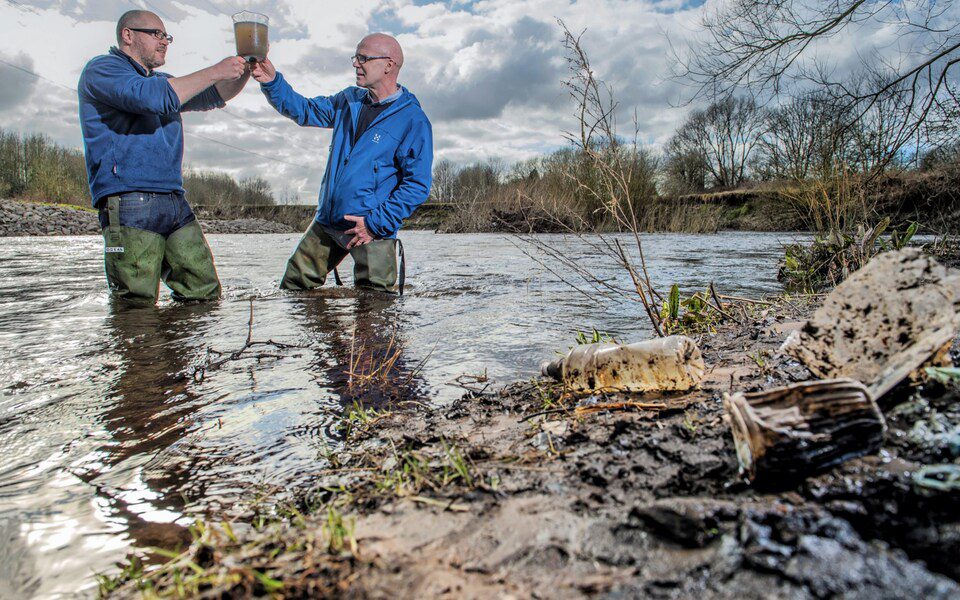
In 2018, the River Tame in Greater Manchester was found to be the most microplastic-polluted river in the world. Scientists from the University of Manchester, led by Professor Jamie Woodward, conducted studies along the river and found up to 517,000 microplastic particles per square meter near Denton. Similarly, the Mersey River recorded concentrations of about 20,000 particles per square meter.
These findings raised alarms as scientists highlighted the dangers of the “plastic revolution,” which they deemed even more hazardous than the Industrial Revolution. Chemical compounds in plastics can cause poisoning, infertility, and genetic disorders in aquatic life. Microplastics also enter the human body through the consumption of fish and seafood.
In the 2010s, microplastics were increasingly found in fish caught in the Mersey River, as noted by Alan Wright, head of the Lancashire, Manchester, and Merseyside Wildlife Trust.
A 2021 study by the University of Manchester identified untreated sewage as a primary source of river microplastic pollution in the UK. Professor Jamie Woodward called for stricter regulation of wastewater discharges by water companies.
How to Reduce Microplastic Pollution in Rivers
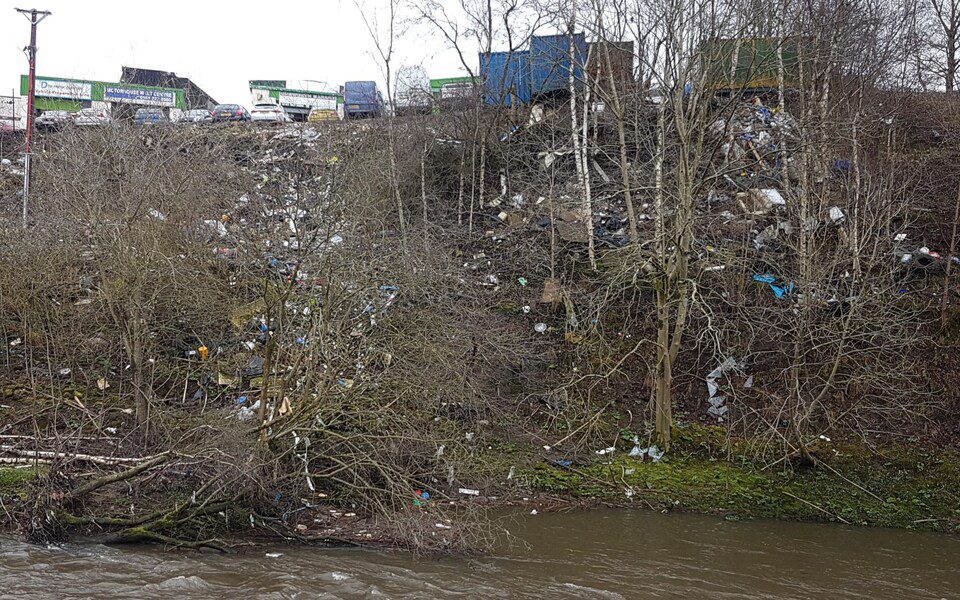
New environmental challenges require innovative solutions. Residents of Greater Manchester can help reduce plastic pollution in waterways by following simple practices:
- Reduce the use of single-use plastics: Avoid disposable bags, bottles, and cups that often end up in landfills or water bodies.
- Avoid products with microbeads: Check cosmetic and hygiene products for microplastic granules and choose alternatives.
- Limit washing synthetic fabrics: Reduce the washing frequency of fleece jackets and other synthetic clothing.
- Recycle waste: Maximize recycling efforts to minimize waste.
- Join clean-up initiatives: Participate in volunteer activities to clean up rivers and beaches.
Reducing plastic usage is a straightforward but essential step to protect water ecosystems in the era of the “plastic revolution.”