

The “Belle Vue” Zoological Gardens, known as Manchester’s private zoo, was more than just a collection of exotic animals; it was a cultural centre that captivated visitors’ imaginations for decades. “Belle Vue” was a marvel of its time, attracting millions of visitors with its diverse range of animals, from elephants to lions, alongside thrilling events that drew crowds from across the country and even the world. Here is the story of the development and establishment of Manchester’s private zoo. Next on manchestername.com.
The Founding of “Belle Vue” in Manchester
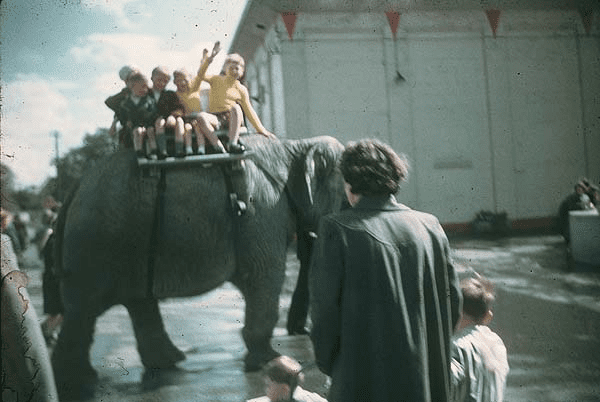
The origins of “Belle Vue” date back to 1836, with the vision of John Jennison, the project’s founder. Initially, “Belle Vue” was conceived as a leisure destination featuring lavish gardens intended for the enjoyment of Manchester’s urban elite and visitors. During the summer months, the site hosted open-air dances and social events.
“Belle Vue” quickly gained popularity, becoming one of the most notable attractions in Northern England, drawing visitors from far and wide.
Jennison, who had a background in gardening and maintained a small animal enclosure at his home, laid the groundwork for the zoo. What began as a private collection of birds soon evolved into a full-fledged zoo on the “Belle Vue” grounds. It became equally popular among the city’s elite and the general public, transforming into one of the largest private zoos not only in Manchester but across the United Kingdom.
A Unique Landmark of the 19th Century
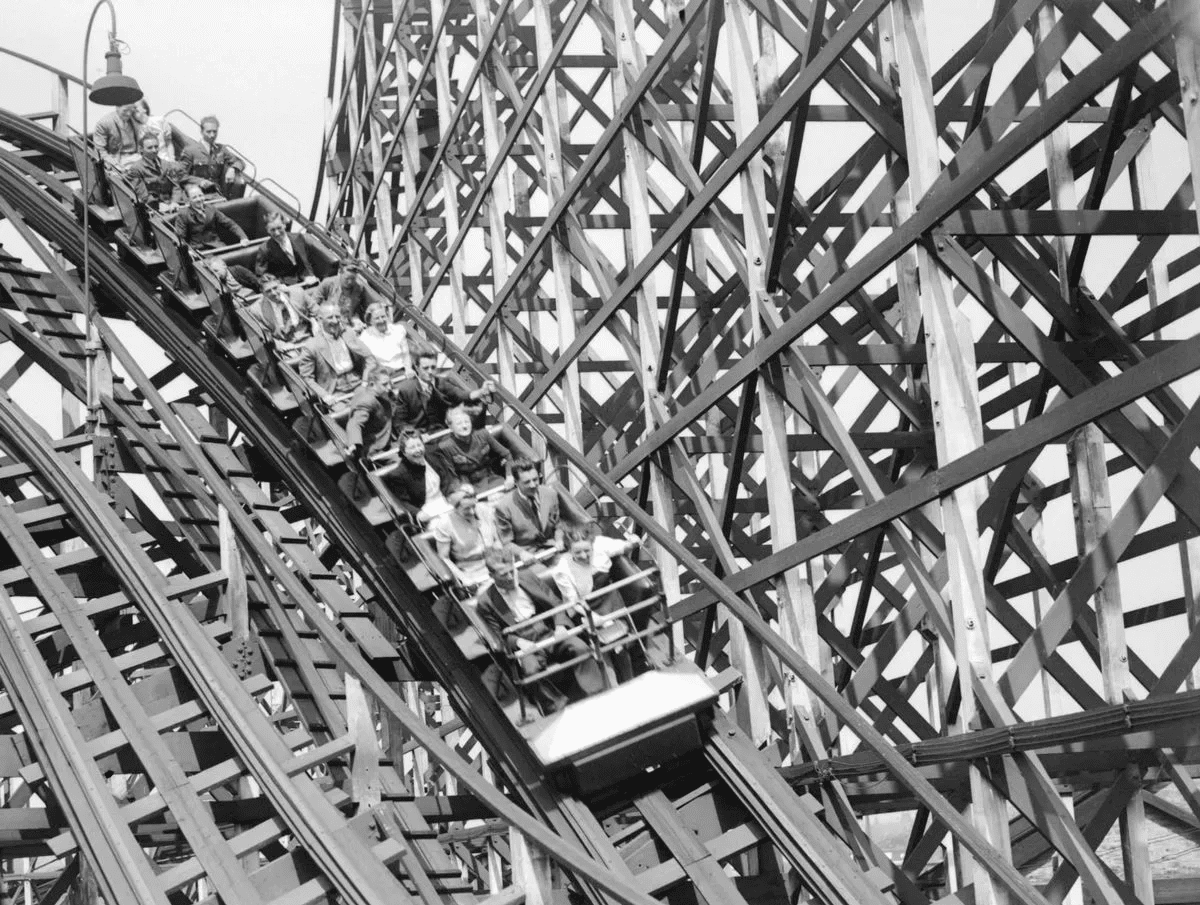
Over the years, “Belle Vue” expanded significantly. By the 1870s, it had developed into a multifaceted entertainment complex, branding itself as the “Showground of the World.” Among its most popular attractions were thrilling rides such as the “Bobs” roller coaster, reaching speeds of 60 miles per hour (97 km/h), and the “Scenic Railway.”
Other attractions included grand fireworks displays, held annually since 1852, and the annual Christmas circus, which began in 1922.
“Belle Vue” operated on a near-industrial scale to accommodate the masses, underscoring its immense popularity in Manchester at the time. The grounds also featured 19th-century-style hot rooms capable of hosting up to 3,000 people. These facilities provided hot water and utensils for visitors who brought their own food for picnics. Additionally, themed restaurants catered to guests seeking a more refined dining experience.
At its peak, “Belle Vue” covered 165 acres (0.67 km²) and attracted over two million visitors annually.
The “Belle Vue” Zoo
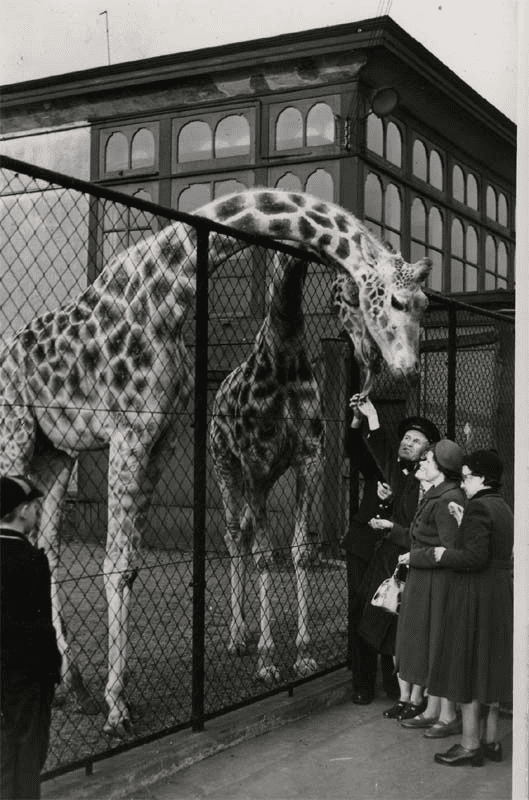
The zoo was a vital and integral part of “Belle Vue.” While it initially began as a garden intended for tours, it soon became apparent that visitors were most intrigued by the animals. Jennison’s private collection, initially consisting of domestic birds and a few exotic parrots, steadily expanded. Over time, the zoo added kangaroos, rhinos, lions, bears, and gazelles to its exhibits.
In addition to entertainment, the zoo served an educational purpose, offering visitors the opportunity to learn about wildlife—a novel concept in the 19th century. For many residents of Manchester, a bustling industrial city, “Belle Vue” provided a rare glimpse into the natural world beyond urban life. The zoo’s success mirrored the city’s own rise during the Industrial Revolution, becoming a symbol of Manchester’s progress.
Over time, the zoo continued to grow, adding animals such as chimpanzees, camels, zebras, and more. Notably, “Belle Vue” was the first privately funded zoo in Manchester and one of the largest private zoos in the UK, ranking third in the country in terms of size.
Decline and Closure
After World War II, the zoo faced challenges. Changing societal attitudes toward keeping animals in captivity, combined with increasing competition from other forms of entertainment, led to a decline in visitor numbers. By the 1970s, the zoo struggled to remain operational.
In 1977, after more than 140 years, the gates of the “Belle Vue” Zoo closed permanently. Financial losses, amounting to £100,000 annually, were the primary reason for its closure.
Although the zoo ceased operations, the Belle Vue amusement park continued to welcome visitors during the summer until it, too, closed in 1980.
Legacy of “Belle Vue”
Despite its closure, “Belle Vue” left an indelible mark on Manchester’s cultural identity. By 2010, all that remained of the once-thriving attraction was a greyhound racing stadium and a snooker club. The original gardens and amusement park were repurposed for industrial and residential use.
However, the memories of “Belle Vue” live on in the hearts of Manchester’s residents, who recall the park as a place of joy and adventure. For many, it represents an era when Manchester was a centre of entertainment, attracting visitors from across the country. “Belle Vue” remains a cherished symbol of the city’s rich history, innovation, and spirit of community.