

The Fletcher Moss Botanical Garden has long been a haven for those seeking tranquility, harmony, and a connection with nature. This slice of paradise is located just 20 minutes from the bustling center of Manchester, in the suburban village of Didsbury.
Named after philanthropist and alderman Fletcher Moss, who gifted this stunning space to the city of Manchester in 1915, the garden boasts a diverse array of flora and an enchanting history. Next on manchestername.com.
The Backstory
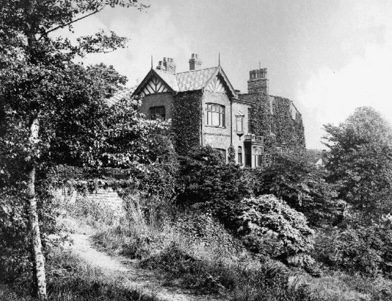
At the heart of Fletcher Moss Botanical Garden lies a charming house called The Croft, the only building within the park. In 1852, the Williamson family took residence there. Robert Wood Williamson, the head of the family, was an engineer turned successful lawyer with a passion for anthropology, botany, and alpine exploration.
Robert and his wife, Emily Williamson, brought back numerous plants from their alpine travels and created a magnificent rockery around their home. This rock garden masterfully combined plants—mostly flowers—with striking stone formations.
Emily Williamson’s contributions deserve special mention. She was not only passionate about botany but also deeply committed to bird conservation. Emily opposed the use of bird feathers in women’s hats and founded the Society for the Protection of Birds in 1889. This group of women vowed not to wear bird feathers and advocated for the protection of birds from being killed for fashion.
Her efforts bore fruit in 1921 when legislation was passed banning the import of exotic bird feathers into Britain. Emily’s legacy endures as a reminder of the power of grassroots activism.
Fletcher Moss’s Generous Gift
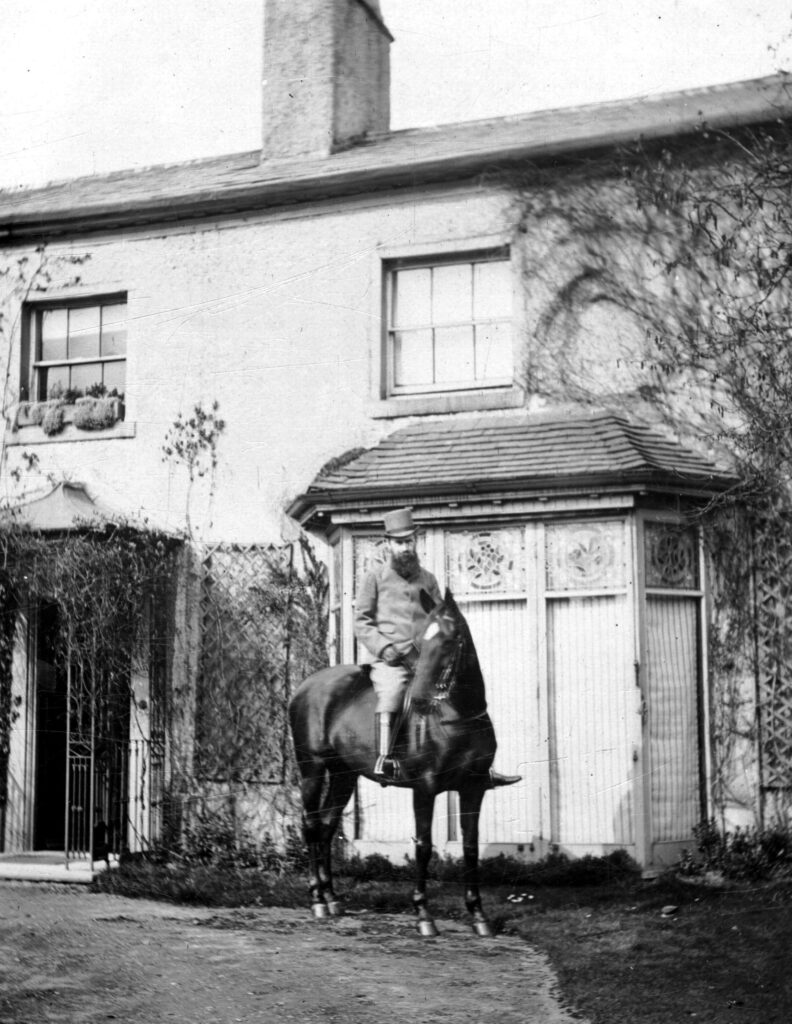
In 1912, the Williamsons sold The Croft and the surrounding garden to Fletcher Moss, a notable alderman and philanthropist. Like the Williamsons, Moss had a keen interest in plants and birds. He was also an animal lover, keeping several dogs and a horse. Local lore suggests that Moss’s beloved pets were buried within the garden grounds.
By the time Fletcher Moss acquired the property, it was already considered one of Manchester’s finest parks. This reputation continued for decades as the garden became a unique space, blending cultivated beauty with the untouched charm of wild nature.
In 1915, Fletcher Moss gifted the garden to the city of Manchester, ensuring it would remain a treasured public space.
A Slice of Paradise
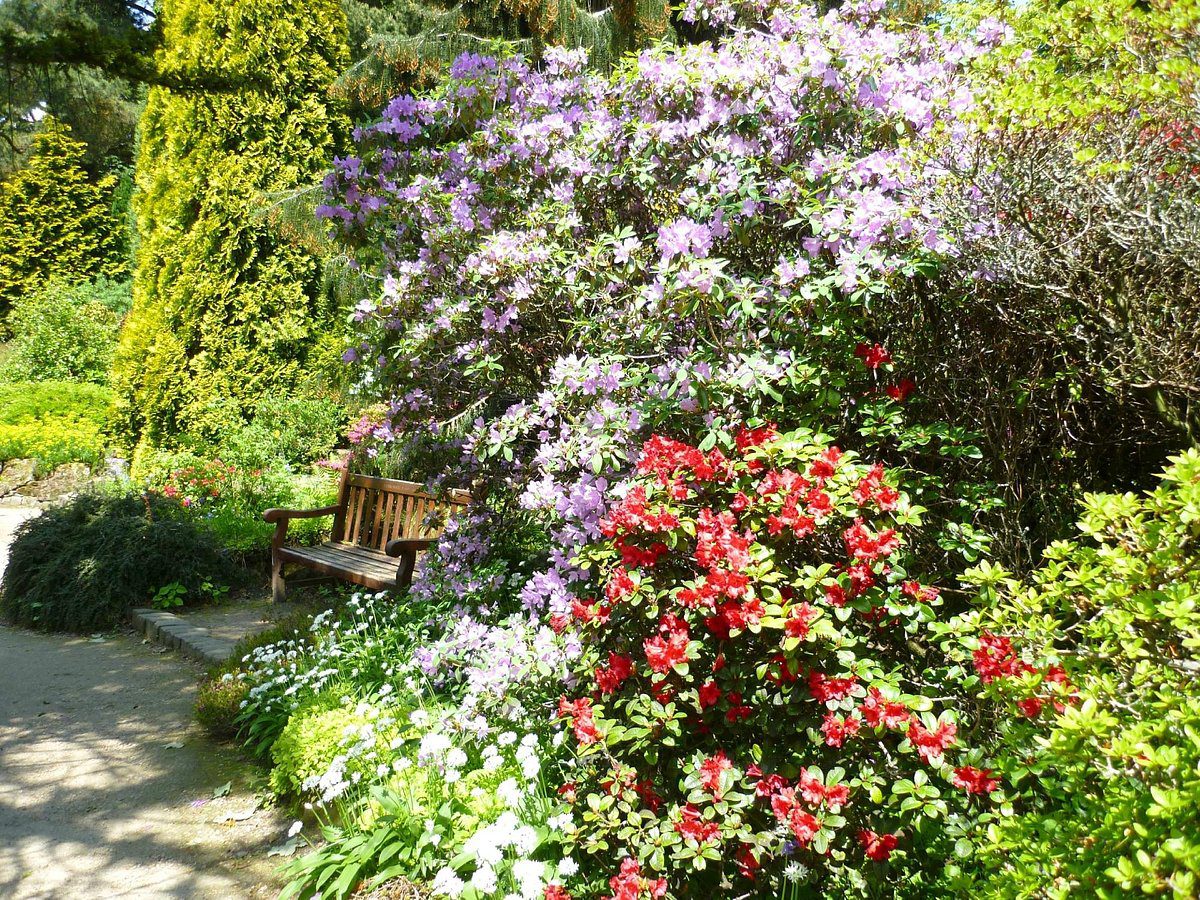
In the early 21st century, Fletcher Moss Botanical Garden stood as a peaceful oasis of natural beauty just a short journey from Manchester’s vibrant city center. Visitors were treated to stunning rockeries, cascading waterfalls, serene ponds, and a variety of other attractions.
The garden boasted a wide range of plant species, including royal fern, marsh marigolds, skunk cabbage, irises, and countless wildflowers. Trees and shrubs added to the garden’s allure, featuring tulip trees, mulberries, dawn redwoods, bald cypresses, Chinese dogwoods, sourwoods, walnut trees, cherry trees, and a variety of dwarf conifers. Majestic yews and cedars also graced the landscape.
Visitors could explore the Orchid House, a special feature where exotic orchid varieties delighted admirers.
The garden’s vibrant ecosystem attracted birds, insects, and wildlife, making it a favorite spot for nature enthusiasts.
Modern Amenities
In the early 21st century, the Fletcher Moss Botanical Garden offered more than just natural beauty. Facilities included a tennis court, fields for football and rugby, and two cafés. The garden was maintained by Manchester City Council with support from a dedicated volunteer group known as the Friends of Fletcher Moss.
The Fletcher Moss Botanical Garden and its surrounding park became a sanctuary for relaxation, inspiration, and renewal. Visitors left feeling recharged, as few things in life are as revitalizing as the power and beauty of nature.