

Manchester is renowned not only for its industrial heritage but also for its stunning natural attractions spread across the region. This article delves into the history of Hollingworth Lake, located near Littleborough in Manchester. In the 21st century, it has become a popular tourist destination and a hub for outdoor activities. Additionally, the lake boasts a fascinating history that reflects the transformation of the entire region, as reported by manchestername.com.
Historical Connection to Manchester’s Industry
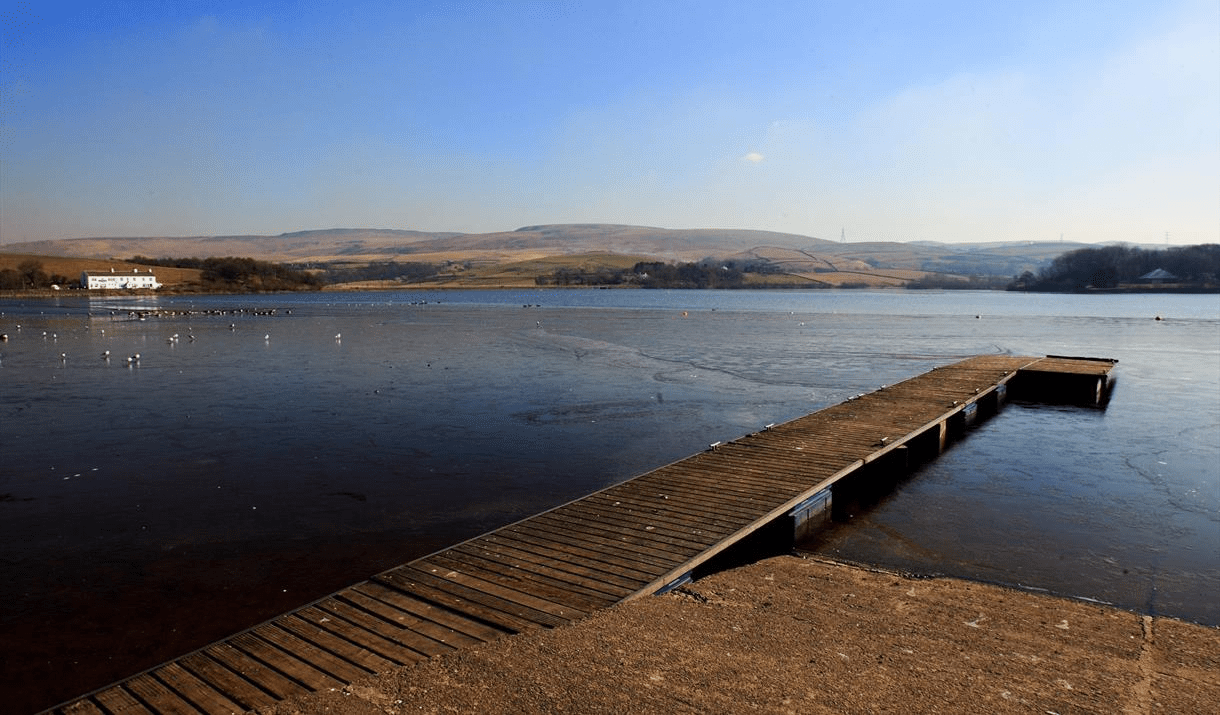
Although Hollingworth Lake is now regarded as a unique natural landmark, its origins are closely tied to Manchester’s industrial activities. The history of the lake dates back to the 19th century and is directly linked to the construction of the Rochdale Canal. Hollingworth Lake was constructed in 1800 as a reservoir to supply water to the canal, a vital transportation route during the Industrial Revolution. The canal network was crucial for moving goods such as cotton, wool, and coal between Yorkshire and Manchester, and the reservoir ensured reliable water supply during dry seasons.
At the time, the lake was primarily seen as a functional water management structure supporting the region’s thriving industrial economy. However, its impressive size—spanning over 130 acres—soon caught the attention of locals. It wasn’t long before the lake began to serve recreational purposes in addition to its industrial function.
Characteristics of the Lake
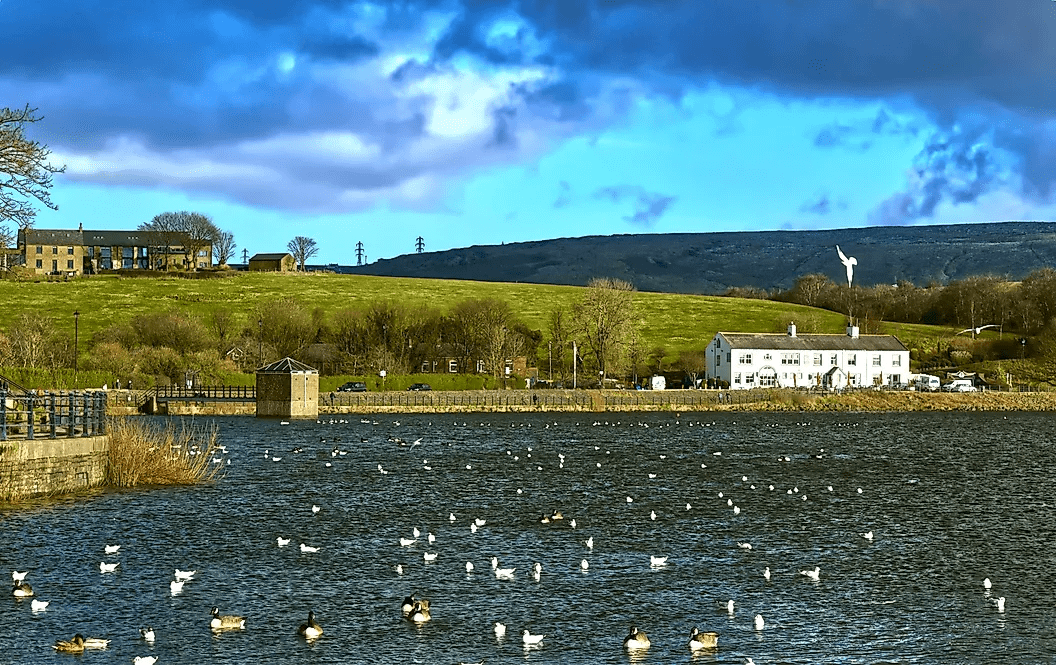
Hollingworth Lake covers an area of 130 acres, with a shoreline stretching 2.5 miles. In some areas, the lake reaches a depth of 25 feet, with an average depth of approximately 10 feet. Originally, this artificial reservoir could hold about 400 million gallons of water. Since the area lacked a natural basin, three earthen embankments were constructed to form the reservoir. The main embankment, Hollingworth Bank, rises to a height of 36 feet. The lake’s surface is located approximately 557 feet above sea level.
A Tourist Destination
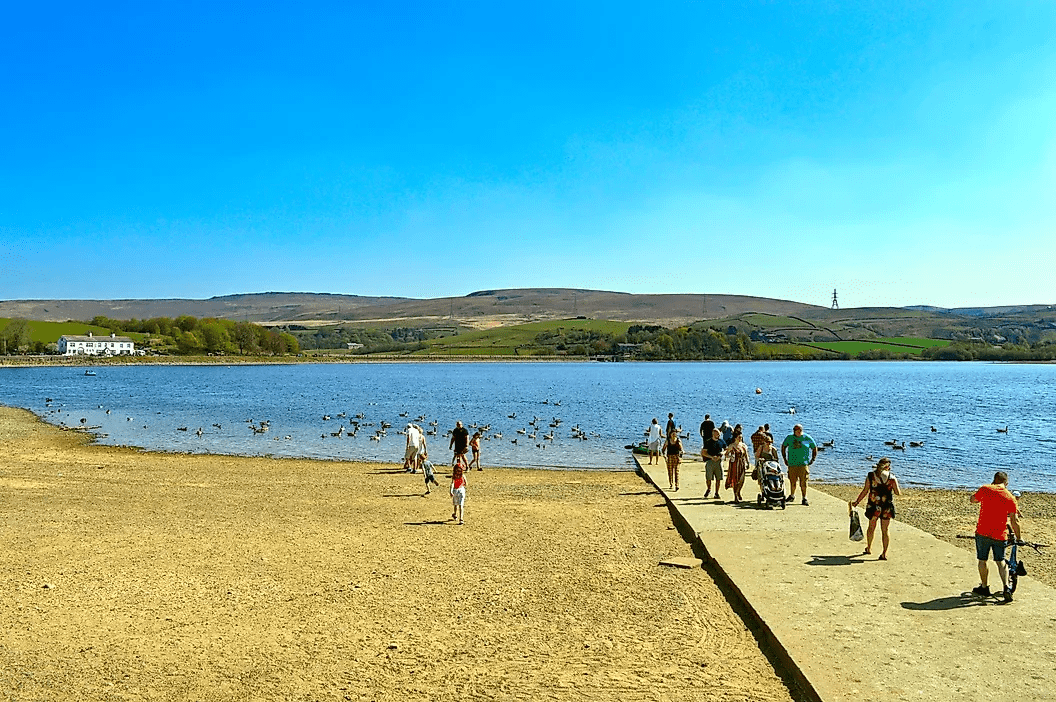
Hollingworth Lake did not become a tourist destination immediately. By the mid-19th century, as industrial cities like Manchester expanded, city dwellers sought refuge in nature. One such escape close to the city was Hollingworth Lake. Initially, the area attracted wealthy tourists, but with the advent of railways, it became more accessible. People from all around Manchester flocked to the lake to enjoy its scenic beauty, boat rides, and shoreline walks.
Hotels, pubs, and boathouses sprang up around the lake, transforming it into an early Victorian tourist attraction. A leisure steamboat was even introduced, offering picturesque cruises on the water.
The construction of Manchester’s railway in 1839 and the Summit Tunnel in 1841—the longest railway tunnel in Europe at the time—further boosted the area’s development. In the 1850s, Henry Newall and his engineer, Mr. Sladen, recognized the lake’s tourism potential. They leased the lake and introduced new boating attractions. From that point, rowing boats, steamers, a rowing club, and regattas became popular. Visitors could stay in two hotels: the “Beach Hotel” and the “Lake Hotel and Gardens.”
By the late 19th century, the lake reached the peak of its popularity. Three steamers operated on the lake, and improved railway connections made it even easier to visit. In 1863, 30,000 fish were introduced into the lake, enhancing its appeal for fishing enthusiasts. Near the pier, kiosks selling sweets and souvenirs opened, and various attractions, including camera obscuras and carousels, delighted visitors until the end of World War II.
In the early 20th century, as travel became easier and new tourist and resort locations emerged, the lake’s popularity gradually declined. The “Beach Hotel” closed after a fire in 1901. During World War I, the lake experienced a brief resurgence in activity due to the presence of a training camp for the Manchester Regiment in the River Ealees valley. Family members visiting soldiers stayed in local hotels.
After the war, the lake became a hub for sailing, with the establishment of a rowing club and boat rentals.
In the latter half of the 20th century, Rochdale Council developed a project to create a country park around the lake, which later ranked among the top ten in the United Kingdom.
Today, the area is a destination for recreation and a wildlife reserve. Two establishments—”Beach Hotel” pub and “Wine Press”—operate along its shores.
The history of Hollingworth Lake showcases the transition of Manchester’s industrial region from industry to nature, where industrial sites have become iconic natural landmarks and cherished recreational spaces.