

Fletcher Moss Botanical Garden is one of the most popular natural attractions in the Manchester area. Located in Didsbury, the garden offers visitors a retreat from the city’s hustle and bustle and provides a glimpse into its rich and fascinating history, which we will explore below on manchestername.com.
How a Family Estate Became a Public Garden?
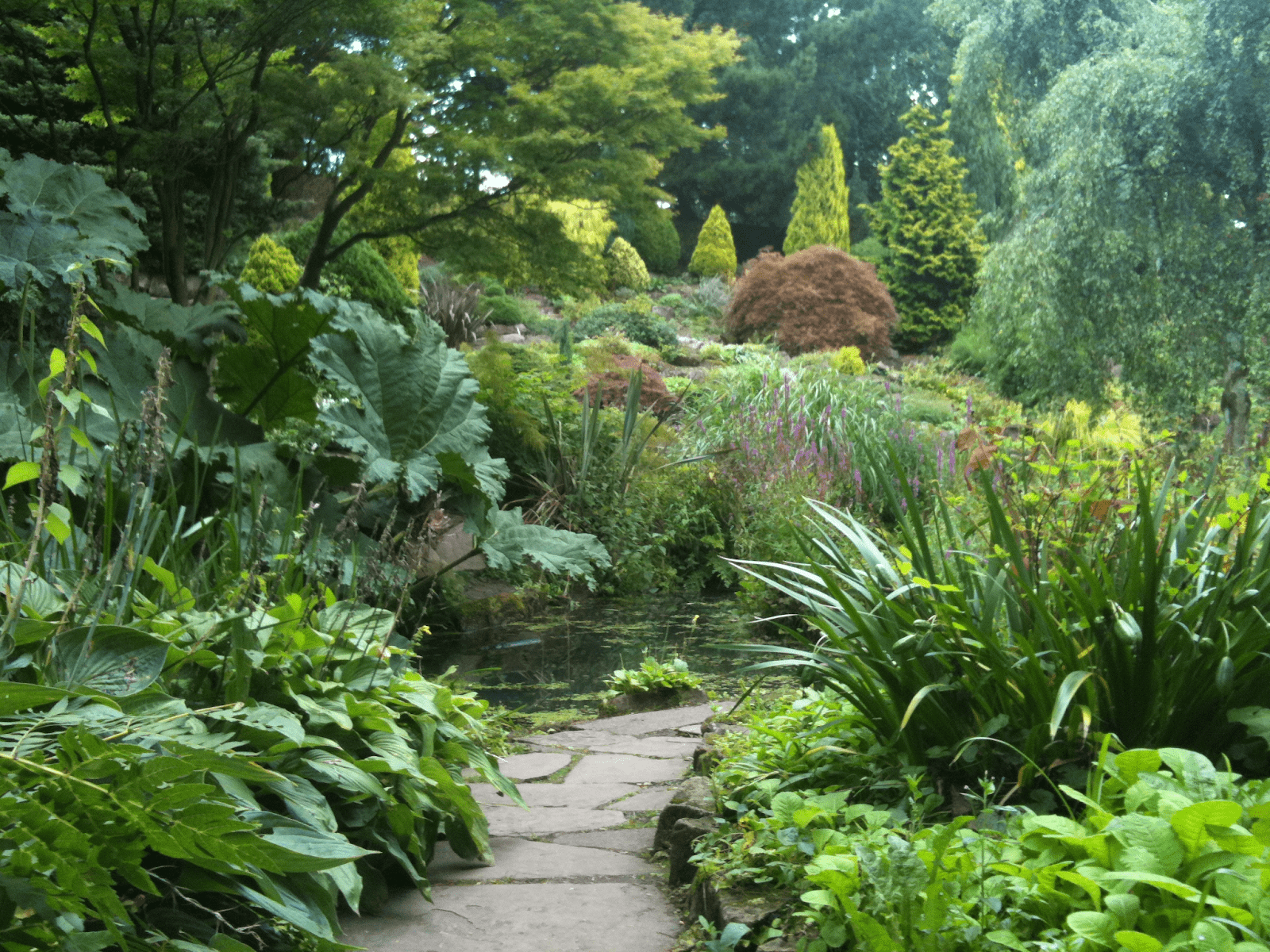
The early site of the garden belonged to botanist Robert Wood Williamson. His home on the grounds, known as “The Croft,” was central to the property. Williamson sold the house and the garden to Fletcher Moss, a prominent alderman of early 20th-century Manchester. Moss, widely recognized for his philanthropy, oversaw numerous civic projects in the city.
Moss acquired the gardens in 1912, and by 1919, he had donated them to the people of Manchester. He handed over the gardens and the historic house to the city to make this natural treasure accessible to all. This generous gesture reflected his commitment to public welfare and the promotion of access to nature.
It’s worth noting that the garden had been originally landscaped by Robert Wood Williamson. After Moss acquired it, he added some plant varieties, and the city continued cultivating the space after it was transferred to public ownership. The house itself also played a role in conservation history, hosting the first meetings of what would become the Royal Society for the Protection of Birds.
What Makes the Garden Unique?
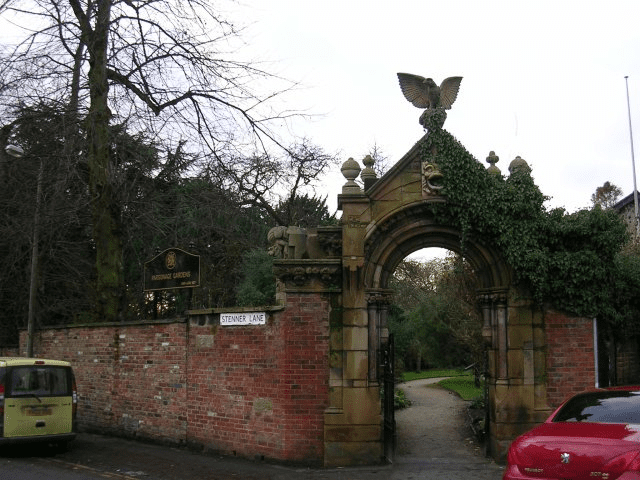
The garden’s main rock gardens, located on a sheltered south-facing slope, create a unique microclimate that allows for the growth of hardy and delicate plant species alike. Streams cascade through the rock gardens into ponds surrounded by plants like royal ferns, irises, and marsh marigolds. Additionally, the gardens boast an array of ornamental trees and shrubs, including tulip trees, palms, sequoias, and various dwarf conifers. This diverse flora makes the garden a visually stunning and botanically rich destination.
To the west of the rock gardens, across Stenner Lane, lies the Old Parsonage Gardens. These gardens feature mature yews and cedar trees of Lebanon, under one of which Fletcher Moss’s beloved dogs are said to be buried. The Old Parsonage itself served as an art gallery in the 1970s before closing and later reopening as a community center in 2012. Today, it hosts a variety of programs, events, and exhibitions.
A distinctive feature of Fletcher Moss Garden is its blend of formal and informal spaces. The rock garden is a highlight, showcasing rare alpine plants set among stone structures. Victorian-style ornamental gardens reflect the era’s fascination with exotic plant species, while the surrounding wild areas attract birds and other wildlife.
Further south and west, the landscape opens into floodplain meadows, Stenner Woods (a floodplain forest), and Millgate Fields along the River Mersey. These areas create a unique environment of upland meadows and woodlands encircling grazing fields. The location also serves as a venue for “Parkrun UK” events.
The garden’s accessibility is another advantage, with proximity to the Wilmslow Road bus route and East Didsbury railway station, making it easy to reach by public transport for both locals and visitors.
Importance for the Community
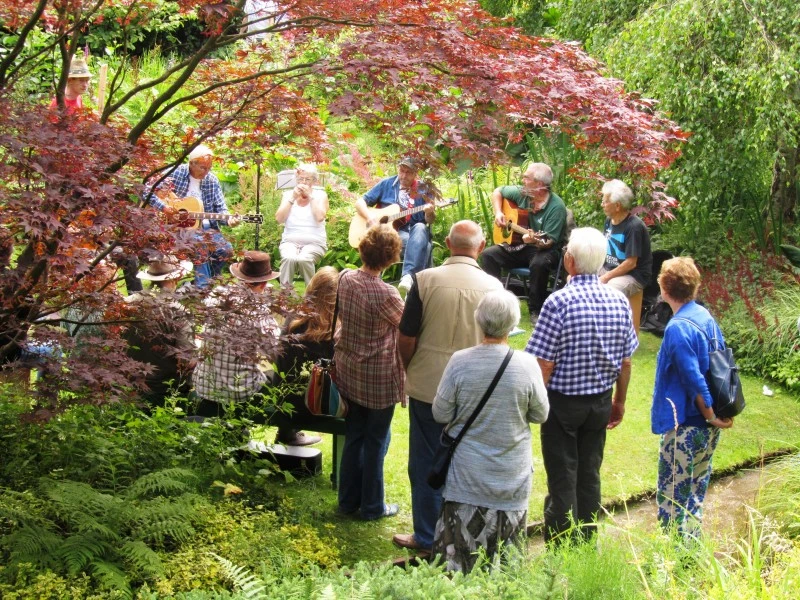
For an industrial city like Manchester, a green oasis close to the urban center was a much-needed respite. In the early 20th century, the Fletcher Moss Garden became a favorite destination for residents seeking relaxation and leisure. The lush gardens were an essential refuge from the noise and pollution of Manchester. Under the care of Manchester City Council, the gardens continued to grow, with new plants, flower beds, paths, and outdoor recreation areas added over time. The city ensured that the gardens remained accessible to all.
Beyond their natural beauty, the gardens play an important role in community life. They host various events, marathons, jogging sessions, and casual walks. Yoga classes, art exhibitions, and concerts are also held outdoors in the garden. Additionally, a free weekly 5 km run attracts participants from across Manchester. Birdwatching is another popular activity, with herons, kingfishers, and other species commonly spotted along the riverbanks.
Since the park was gifted to the city by the esteemed alderman in the early 20th century, it was named in his honor as Fletcher Moss Garden. Today, the garden is a unique feature of the industrial region, blending a man-made landscape with a haven for wildlife. It provides not only a sanctuary for reconnecting with nature but also a variety of opportunities for active recreation, such as tennis courts, rugby and football fields, and a family café with an ice cream shop. This diversity of offerings makes the garden one of Manchester’s most popular spots for leisure and social gatherings in the 21st century.