

The soils of Manchester reflect the city’s rich geological history, shaped by ancient natural forces and centuries of human activity. Located in northwest England, Manchester’s soils are a blend of glacial deposits, river sediments, and industrial remnants. This composition creates a variety of soil types that play critical roles in agriculture, urban planning, and environmental preservation. Manchester’s soils are characterized by terrace plains, outwash plains, kames, deltas, and eskers, with slopes ranging from 0 to 45 degrees. Over millennia, these soils have formed under the influence of sandy and gravelly glaciofluvial materials, layered on manchestername.com.
Characteristics of Manchester’s Soil
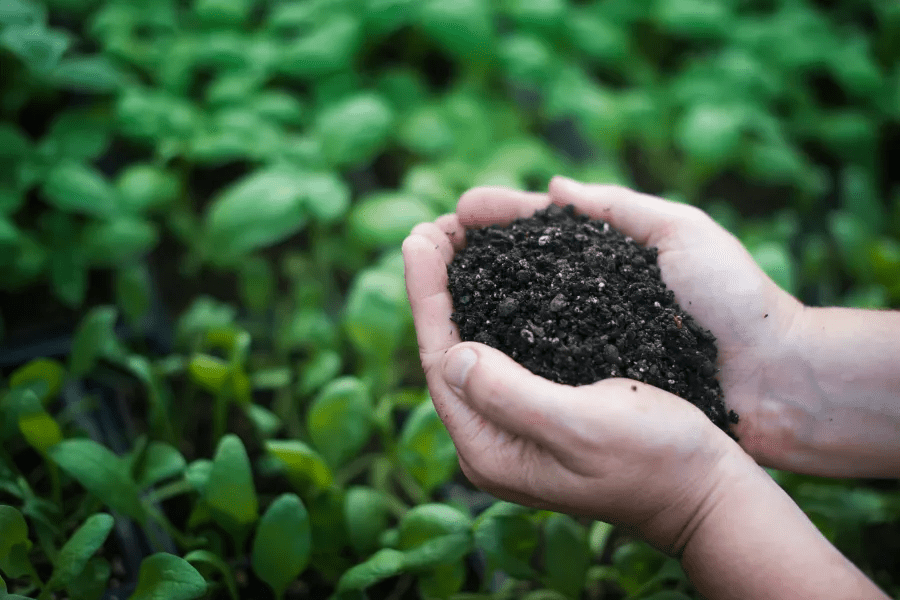
Manchester’s soils are sandy-skeletal, mixed, mesic-typical, and highly drained. The topsoil contains 15–50% rock fragments, while the subsoil can hold up to 70%. These soils, derived from glaciofluvial deposits, exhibit high hydraulic conductivity, which facilitates rapid water drainage. While this property is beneficial for some uses, it also makes these soils prone to drought.
- Climate and Growth Conditions:
Average annual temperatures range from 7°C to 11°C, with precipitation levels of 965–1,270 mm per year. The growing season spans 140–185 days. - Land Use:
Much of the region’s land is forested or covered with shrubs. Cleared plots are used for hay production, pastures, and silage corn cultivation. Irrigated areas are allocated for tobacco, vegetable crops, and nursery plants. - Flora:
Common tree species include white, red, and black oak; gray birch; aspen; white pine; and pitch pine. Gravel extraction is also a prominent activity in these areas.
Impact of Manchester’s Industry on Regional Soils
Manchester’s rapid industrialization during the 19th century significantly affected the region’s soils. Many urban areas were built on brownfield sites—former industrial lands—that still contain pollutants from factories and railways. Remediation of these soils remains an ongoing challenge.
- Urban and Suburban Soils:
Soil composition varies across districts due to urban development and historical pollution. In the city center, heavy metal concentrations, such as lead and zinc, are high, likely due to intense road traffic. Even suburban wetlands like Chat Moss show contamination from urban waste. - Green Spaces:
Urban green areas, including community-managed plots, show higher carbon storage levels, emphasizing the importance of small-scale management for soil and ecosystem improvement.
The interplay between industrial activity, historical contamination, and modern management practices highlights the complexity of Manchester’s soil landscape.
Combating Soil Pollution in Manchester
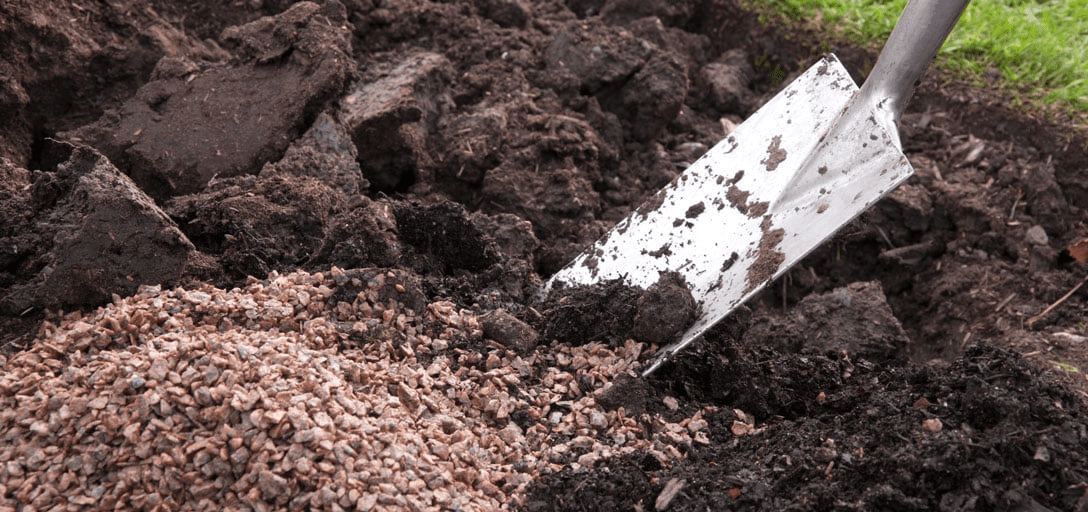
Efforts to address industrial pollution in Manchester involve city authorities, volunteers, and the scientific community, particularly researchers at the University of Manchester.
- Research and Restoration Initiatives:
Scientists from the University of Manchester are tackling the global issue of soil degradation, with one-third of the world’s soils already affected. They are developing innovative methods to restore damaged soil ecosystems. Studies have shown that leveraging interactions between local soil microorganisms—such as bacteria, fungi, and algae—and plants can accelerate the recovery of degraded soils. This ecological synergy improves soil health and restores ecosystems faster. - Urban Strategies:
Manchester employs soil reclamation techniques to reduce the impact of heavy metals and other pollutants, ensuring safer agricultural practices and healthier environments for residents.
Conclusion
Manchester’s soils, shaped by both natural processes and industrial history, are integral to the city’s identity and functionality. The ongoing challenges of pollution and soil degradation demand continuous effort from scientists, policymakers, and local communities. With innovative research and sustainable management, Manchester is paving the way for healthier soils and a greener future.