

The Lancashire Electric Power Company (LEPC) was once one of the largest private electricity providers not only in the region but across the entire United Kingdom. Operating from 1905 to 1948, LEPC played a key role in powering homes and industrial facilities during the 20th century, serving as a driving force behind the region’s economic growth. Next on manchestername.com.
The Founding of LEPC
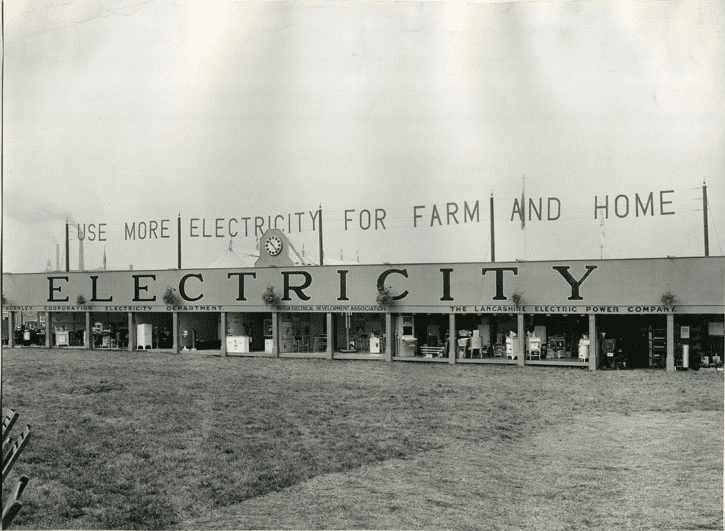
The story of LEPC begins in the early 20th century, during a period of rapid technological transformation. As the era of electrification unfolded, the industrial hub of Lancashire and Manchester became a focal point for opportunity. The area, home to numerous factories and mills, demanded efficient electrification to boost productivity and efficiency.
LEPC’s establishment dates back to the passing of the Lancashire Electric Power Act in 1900. This act introduced critical amendments that provided legal powers to electricity companies, allowing them to produce and supply electricity on a continuous basis. These amendments granted privileges to existing companies and local electricity enterprises to meet the region’s growing industrial and domestic power needs.
In 1905, LEPC was formally established, with its operations based at a power station in Radcliffe. The company’s first customer was Acme Spinning Company in Pendlebury—the first cotton spinning mill in Lancashire specifically designed to operate using electric power from LEPC.
LEPC’s Radcliffe power station quickly became a leader in electricity generation and distribution. With a network of power stations, substations, and transmission lines, the company supplied electricity throughout the region, lighting homes and powering factories. It became a cornerstone of progress and innovation in the area.
Thanks to continuous investments in infrastructure and strong partnerships with local businesses and government, LEPC played a vital role in the region’s economic development and prosperity.
Who Did LEPC Supply with Electricity?
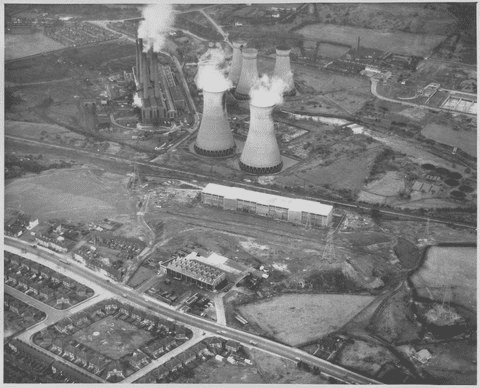
LEPC began its journey in 1905 by supplying power to a single industrial facility. However, its success soon led to a rapid expansion. The company supplied electricity to textile mills and manufacturing plants throughout the region. LEPC was also instrumental in providing lighting for streets and homes, making electricity an essential part of daily life in Lancashire and Greater Manchester.
In the early 20th century, LEPC became synonymous with innovation, productivity, and industrialization in the United Kingdom. It provided reliable and affordable electricity, transforming both the industrial and domestic spheres.
What Happened to LEPC?
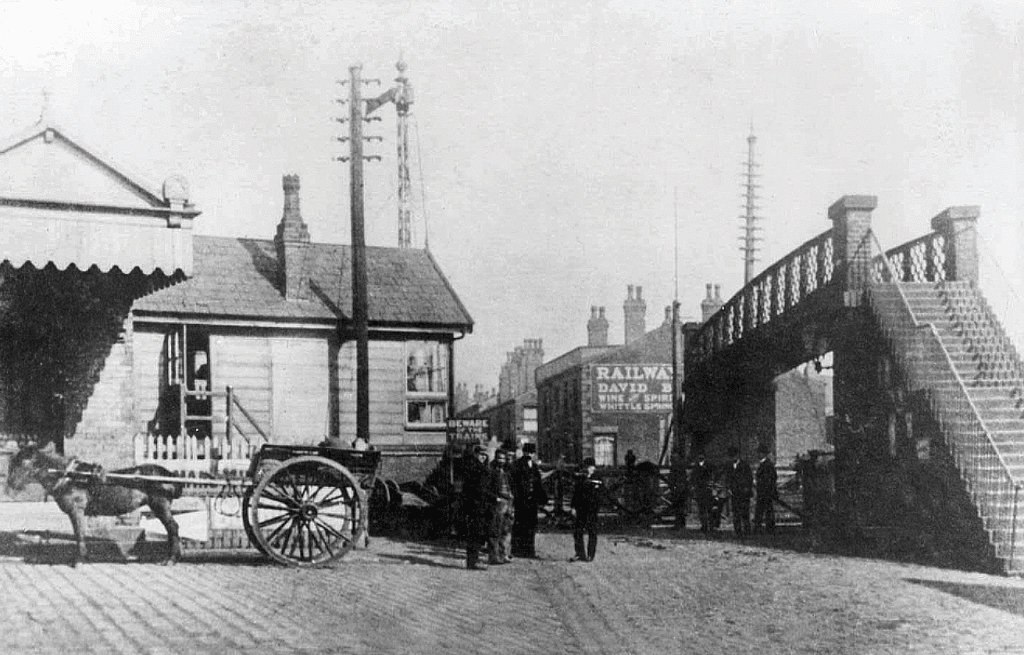
The mid-20th century saw a wave of reforms in the UK’s energy sector, culminating in the nationalization of the electricity industry in 1948. As part of these changes, LEPC was dissolved. Its power stations in Radcliffe, Padiham, and Kearsley came under the control of the British Electricity Authority. High-voltage transmission lines were also nationalized, while the low-voltage distribution network and electricity sales functions of LEPC were transferred to the North West Electricity Board.
Although the three LEPC power stations continued to operate for a time, they were eventually decommissioned. The Radcliffe station was the first to close in 1959, followed by Padiham in 1969 and Kearsley in 1981.
LEPC’s Legacy
For decades, LEPC was a key player in the energy industry, serving as the most powerful electricity provider in the region and beyond. It was a driving force behind economic and industrial progress in the United Kingdom. LEPC also upheld principles of sustainability and environmental stewardship, incorporating renewable energy sources and investing in cleaner, more efficient technologies to reduce its environmental impact.
Undoubtedly, LEPC was a significant entity in the industrial and energy history of the United Kingdom, contributing to the modernization of electricity supply and the advancement of the region’s economic infrastructure.